ABA Challenges White House Report On Stablecoins, Flags Major Concerns
Alex Smith
2 months ago
The American Bankers Association (ABA) is pushing back against the White House Council of Economic Advisers (CEA) stablecoin report tied to the long-awaited CLARITY Act, arguing that the debate is being framed in a way that misses the real policy risk.
The ABA’s objection centers on the CEA’s analysis of stablecoin rewards—specifically, the idea that prohibiting yield on certain stablecoins would have little effect on bank lending or the broader credit market.
ABA Pushes Back On CLARITY Act Analysis
According to the American Bankers Association’s statement released on Monday, April 13, the “live” question for policymakers is not whether banning yield on payment stablecoins would change lending in the near term.
Instead, the ABA says the central concern is what happens if yield on payment stablecoins is allowed—particularly whether it would encourage deposit flight, with the potential for deposit outflows to accelerate from community banks.
The ABA argues that by concentrating on the effects of a prohibition, the CEA paper creates a “misleading sense of reassurance” while sidestepping the more consequential outcome: yield-paying payment stablecoins growing quickly.
In its critique, the country’s oldest national trade association pointed to the CEA’s headline conclusion, which it characterized as an estimate that prohibiting yield would increase bank lending by about $1.2 billion.
The ABA responded that even if the direction of the estimates were correct, the figure is essentially a “rounding error” compared with typical quarterly shifts in bank lending.
The association argued that even a directionally correct result still does not answer the key question policymakers need answered: what would be the lending and funding-cost impact of allowing yield as stablecoins expand from today’s market to a much larger one.
Stablecoin Sector To Surpass $1 Trillion?
The ABA emphasized why the size of the market matters. It said the baseline used in the CEA paper—described as an immature stablecoin market of roughly $300 billion—does not match the likely future scale.
The ABA argued that when the stablecoin market grows to a projected range of $1–$2 trillion, yield would not be a minor feature. Instead, it would be the “mechanism” that could speed up migration out of bank deposits.
In that larger-market context, the ABA said the credit effects could become economically meaningful even at the level of individual states. It cited its own analysis suggesting a $4–$8 billion reduction in lending in, for example, a single state like Iowa.
The Association concluded by warning policymakers not to take comfort from a study showing that prohibiting stablecoin yield might have a small near-term effect on aggregate lending. The association said that it is not the contested scenario.
The contested scenario, according to the ABA, is whether allowing yield on payment stablecoins would accelerate deposit migration—again, especially from community banks—ultimately raising banks’ funding costs and reducing local credit availability.
Featured image from OpenArt, chart from TradingView.com
Related Articles
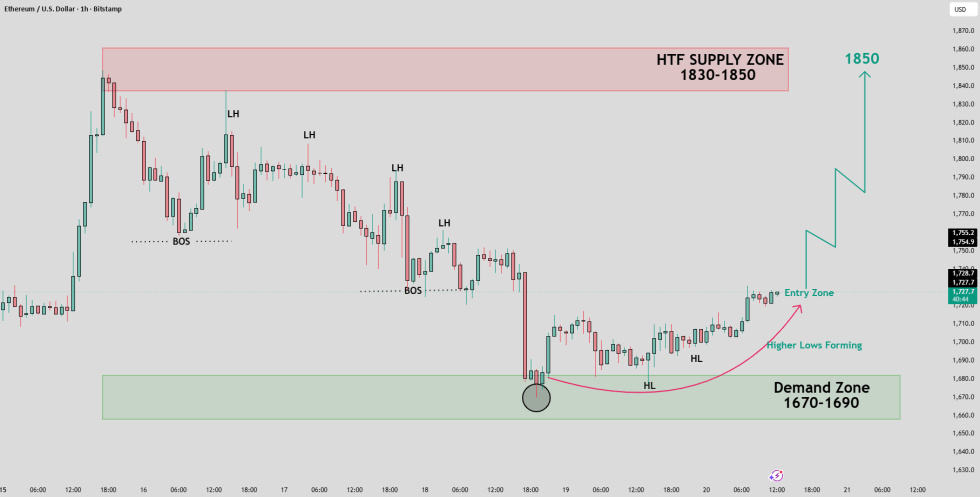
Ethereum Price Setup Targets $1,850 As Buyers Defend Key Demand Zone
A TradingView analyst says Ethereum could target $1,850 if buyers defend the $1,...
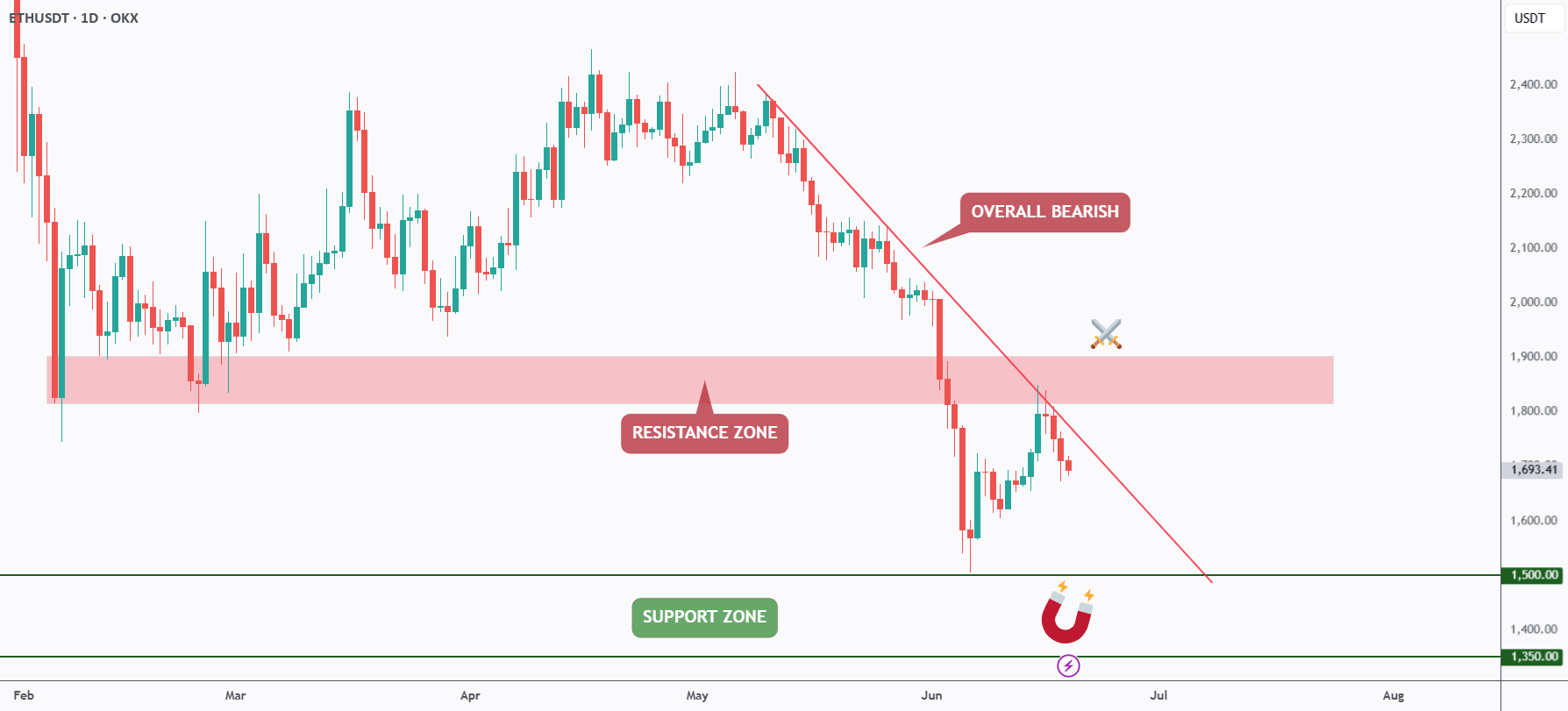
Ethereum Bears Keep Control As ETH Rejects Trendline Resistance
A TradingView analyst says Ethereum remains bearish below a falling trendline, w...
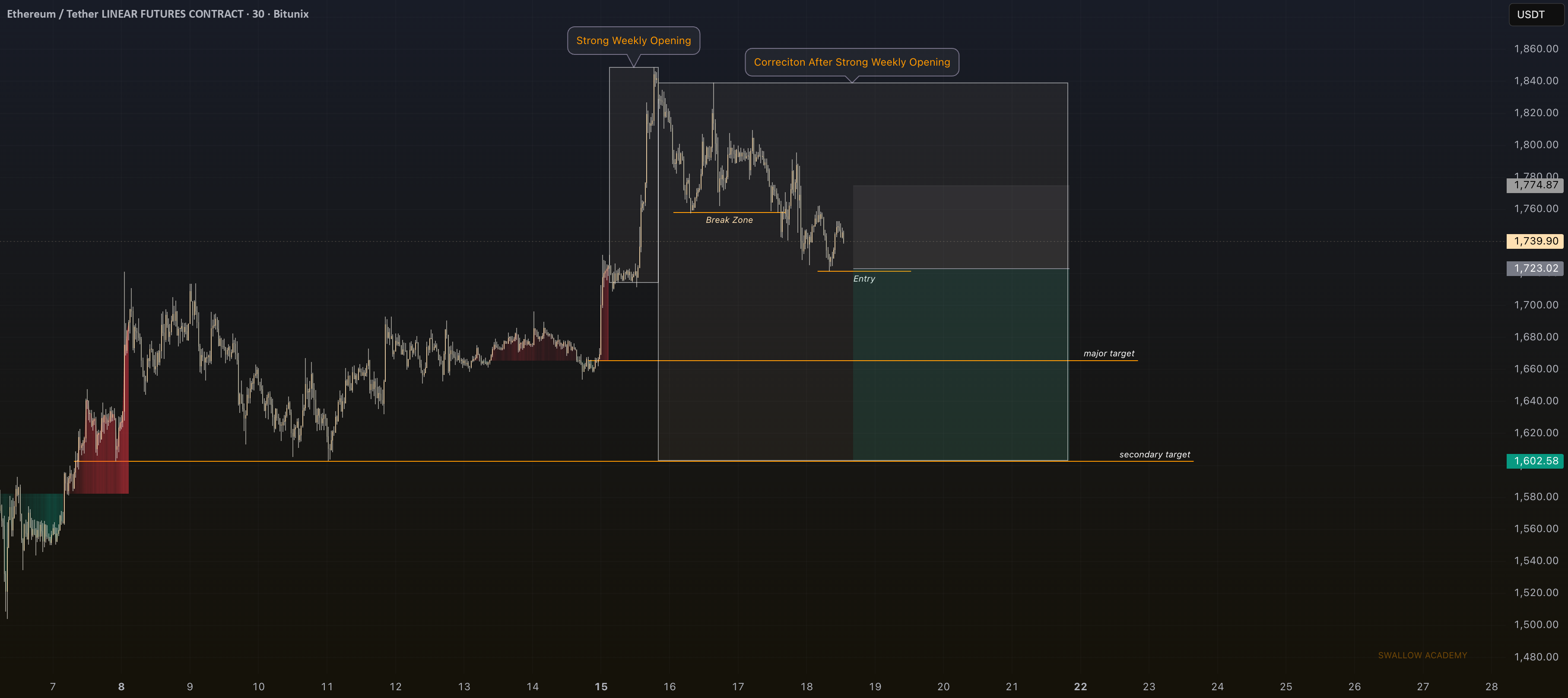
ETH/BTC Ratio Falls Back To Early-2023 Levels As Traders Debate Ethereum Value
An X analyst says ETH/BTC is back near 0.027, while a TradingView chart shows ET...
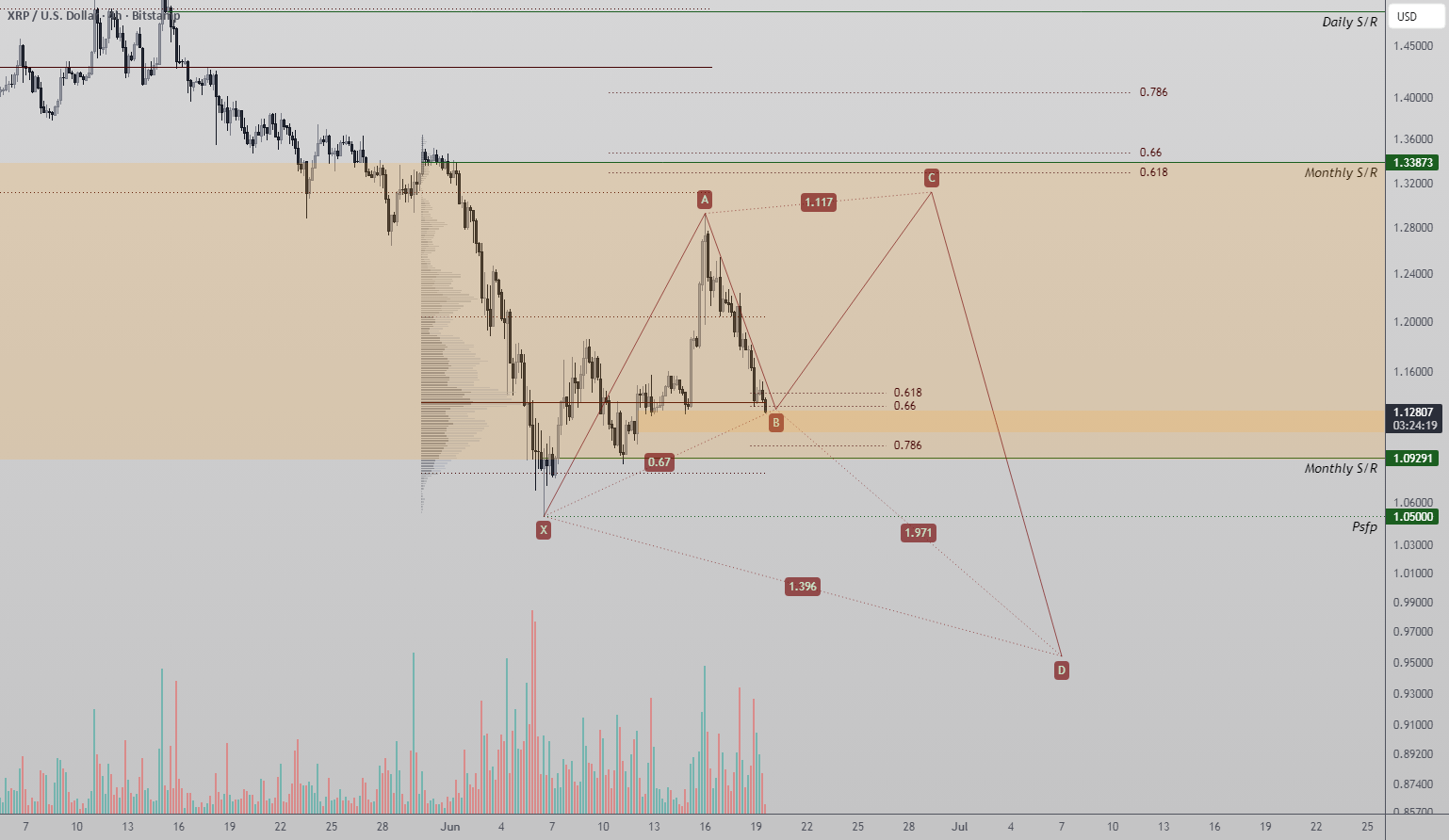
XRP Reversal Setup Forms Around Harmonic Pattern And Key Support Zone
A TradingView analyst says XRP is testing a technically important support zone s...