Are Quantum Computers A Threat To XRP Holders? Pundit Breaks Down The Possibilities
Alex Smith
2 months ago
The debate over quantum computers and their risks in the crypto space is gaining traction as new insights emerge about the safety of XRP holders. A crypto pundit has shared information examining how exposure levels to these risks differ across accounts and what that could mean if quantum computing becomes a threat. The expert’s analysis also offers a closer look at whether holders could face significant risk or remain largely protected under current security conditions.
XRP Holders Face Risks From Quantum Computers
Concerns about quantum computers and digital asset security resurfaced following new remarks from Vet, an XRP Ledger dUNL validator. He explored potential risks, focusing on how transaction activity and the exposure of wallet keys could increase an holder’s vulnerability in a future in which quantum technology poses a threat.
According to Vet’s post on X, about 300,000 XRP accounts, holding a combined 2.4 billion tokens, have yet to make a transaction. Because their public keys have never been exposed, he noted that these accounts are currently considered resistant to quantum computing attacks.
The report also found that only two XRP accounts with much larger balances, totaling 21 million tokens, have stayed dormant for over five years. Unlike accounts that have never executed a transition, these dormant accounts have exposed public keys, making them more vulnerable if quantum technology advances and becomes a threat.
Vet explained that large, inactive whale accounts are extremely rare in the XRP ecosystem. He stated that most the altcoin is held in active accounts where public keys are already visible, but users can reduce risks by changing their keys if new threats emerge.
The validator noted that this setup is different from Bitcoin, where large amounts of BTC are typically held in inactive wallets and have exposed public keys due to older address formats. Due to this contrast, even if both crypto networks adopt similar security strategies to defend against quantum threats, the altcoin will likely require its own tailored method to protect large, inactive holder accounts.
This is partly because only a limited amount of XRP, roughly 0.03% of the total supply, is held in dormant accounts that could face this type of quantum risk. Given how small this portion is, it does not pose a major concern for the XRP network as a whole.
Concluding his post, Vet emphasized that no quantum computers capable of threatening public blockchain systems currently exist. He noted that by the time such technologies are developed, the industry will have evolved and implemented effective countermeasures against these threats.
How Holders Can Protect Their Accounts
Following Vet’s comments about potential quantum computing threats to XRP holders, questions emerged about how users could protect their accounts once funds are moved between wallets. Vet explained that the XRP Ledger is account-based and supports signing key rotation, allowing users to change the keys that authorize transactions without switching accounts.
He acknowledged that this approach is not a complete fix. However, quantum-resistant cryptographic algorithms could eventually be introduced to strengthen the network further. Vet also confirmed that escrow funds may be less exposed to quantum risks, suggesting that token escrows with hashlock could be costly for attackers.
Related Articles
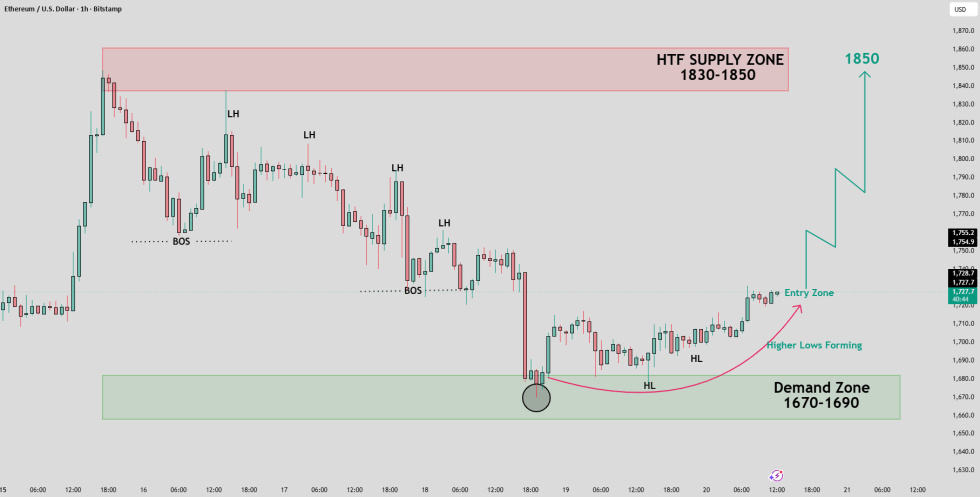
Ethereum Price Setup Targets $1,850 As Buyers Defend Key Demand Zone
A TradingView analyst says Ethereum could target $1,850 if buyers defend the $1,...
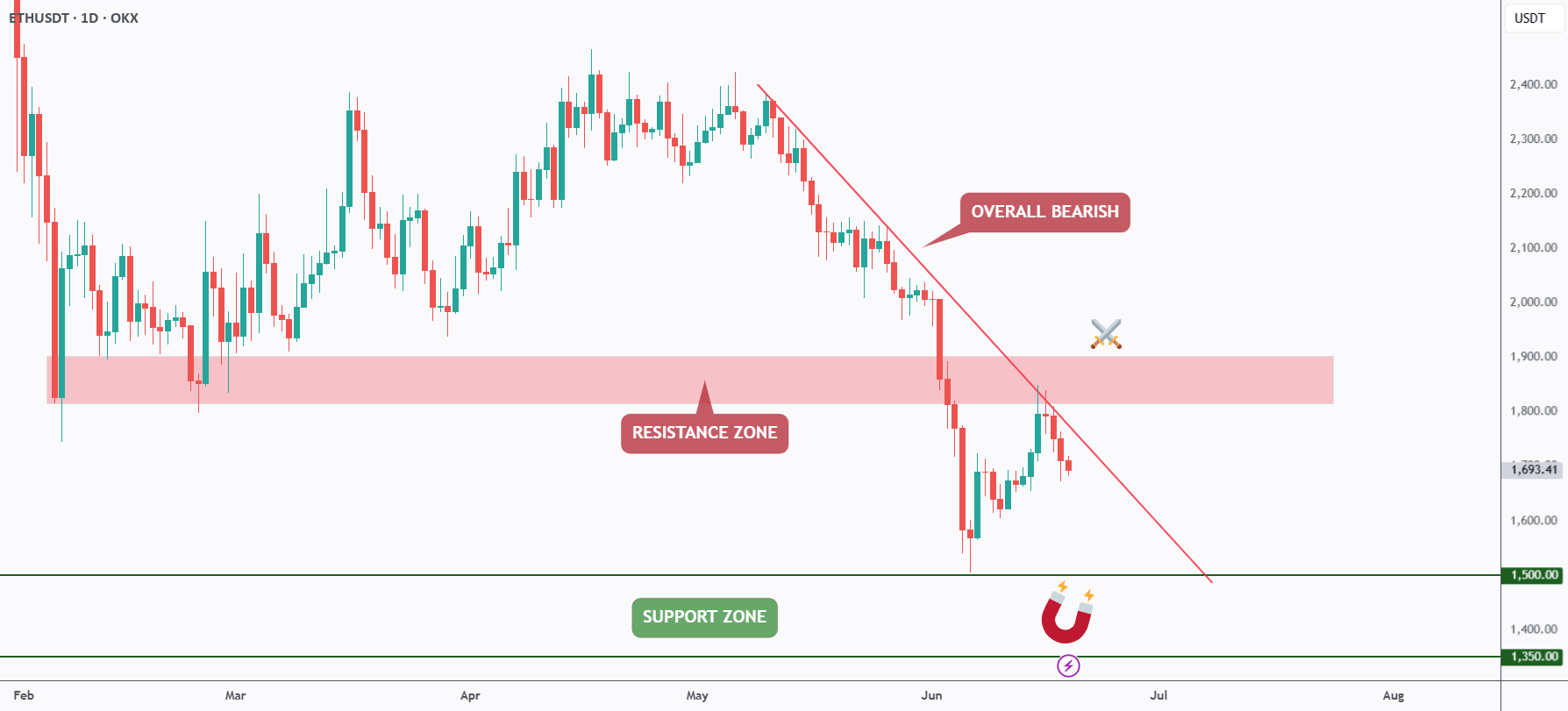
Ethereum Bears Keep Control As ETH Rejects Trendline Resistance
A TradingView analyst says Ethereum remains bearish below a falling trendline, w...
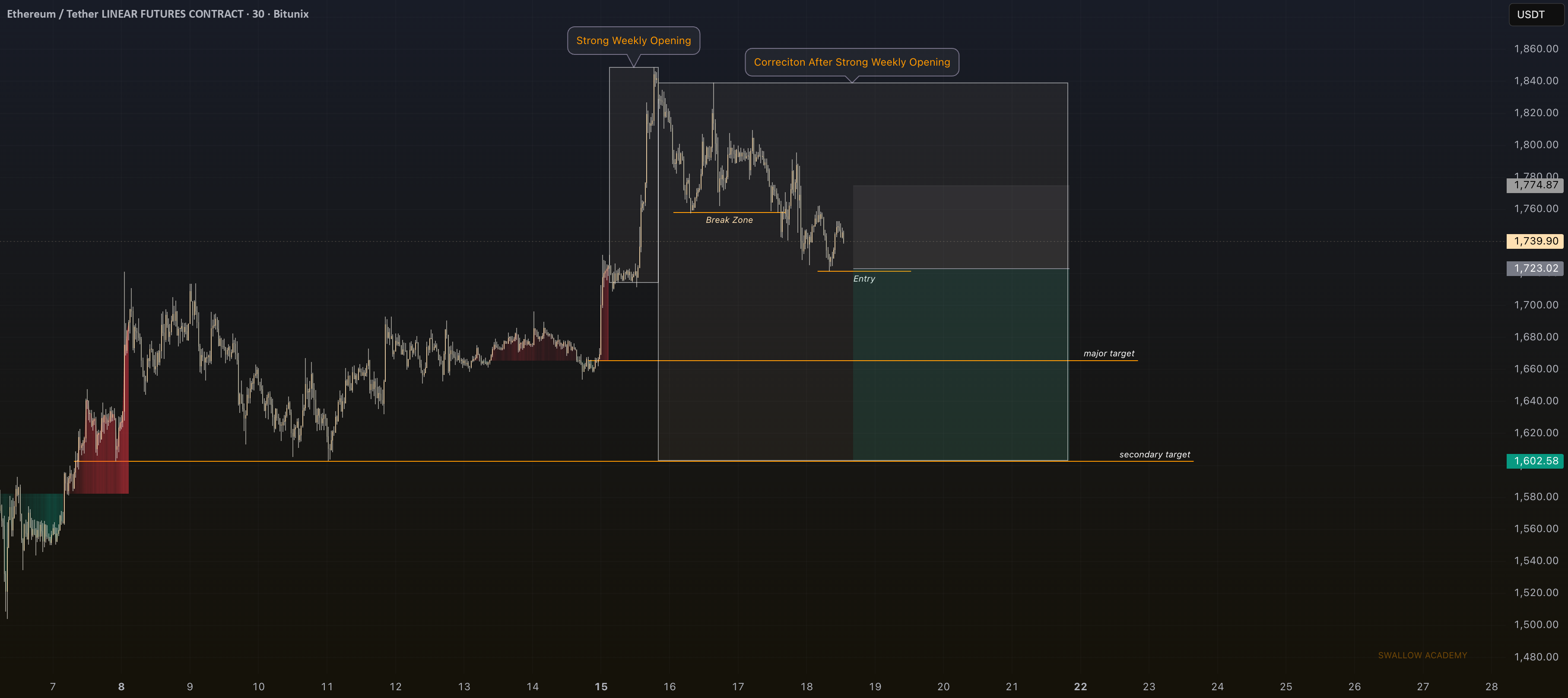
ETH/BTC Ratio Falls Back To Early-2023 Levels As Traders Debate Ethereum Value
An X analyst says ETH/BTC is back near 0.027, while a TradingView chart shows ET...
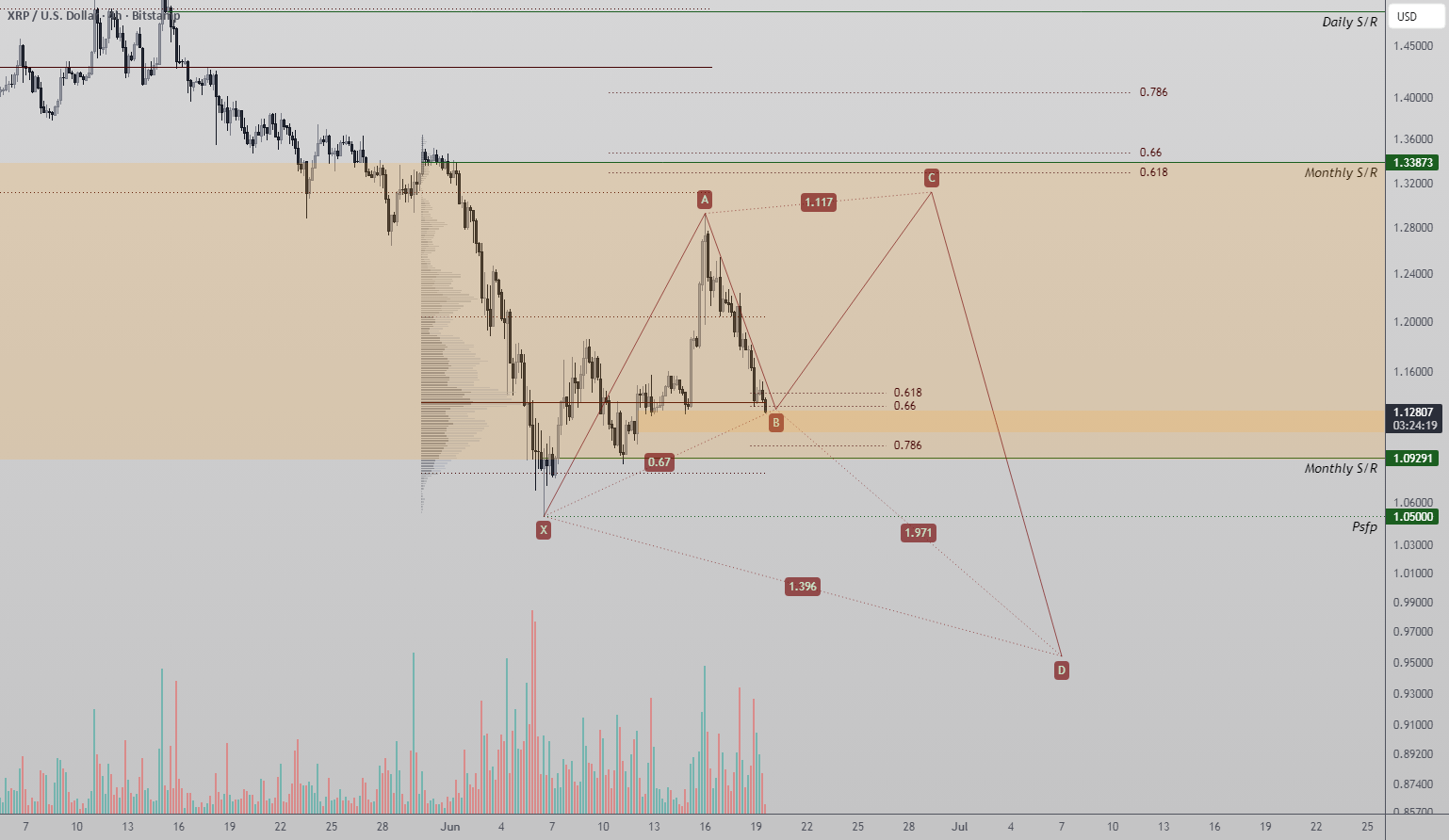
XRP Reversal Setup Forms Around Harmonic Pattern And Key Support Zone
A TradingView analyst says XRP is testing a technically important support zone s...