Bitcoin Mining Crash: Bitmain Slashes Hardware Costs To Stay Afloat
Alex Smith
6 months ago
Based on reports from industry outlets and internal pricing lists, Bitmain has sharply reduced the asking prices for several of its Bitcoin ASIC models, a move tied to falling mining revenue and bloated inventory.
The cuts place some high-end units near wholesale break-even levels for operators paying standard power rates.
Following the April 2024 halving, which cut the Bitcoin block reward to 3.125 BTC, mining companies are increasingly adopting renewable energy to lower operating costs.
Normally, higher BTC prices help offset the reduced subsidy, but 2025 defied expectations: after peaking above $126,000 in October, Bitcoin’s price dropped sharply to $80,000 by November.
S19e XP Hydro And Bundle Deals
According to dealer price sheets, the S19e XP Hydro and the 3U S19 XP Hydro are being offered at roughly $3 per TH/s in some factory sales and promotions.
The S19 XP+ Hydro units are hovering near $4 per TH/s, market figures note. Older and immersion-ready models such as the S21 Immersion and S21+ Hydro are listed at about $7 to $8 per TH/s in certain offers while some auction listings started with bids near $5.5 per TH/s for S19k Pro variants.
Mining Margins Squeeze Operators
Mining income per unit of hashpower has fallen to levels not seen in several years, according to market trackers. That decline has pushed many operators to reassess expansion plans and look for cheaper gear or lower hosting rates.
Bitmain’s price moves appear geared toward shifting stock quickly rather than supporting margins. Some miners reported the price cuts were large enough to make previously unprofitable deployments look acceptable again — but only if power costs remain low and Bitcoin prices recover.
Market Reaction And Secondary SalesUsed-gear markets reacted fast. Some resellers cut prices further to match factory reductions, creating a cascade of lower bids and more machines changing hands.
Auction formats and bulk sales surfaced in public listings, which analysts say is a sign manufacturers are trying to clear inventory without publishing deep discounts across all channels.
Smaller operators voiced relief; larger operations said they were watching closely, weighing whether to buy new units or delay purchases.
Competition And Industry ContextReports point to weak demand across the sector, not just at one maker. Competing brands have adjusted offers in response, and secondhand supply has swollen.
The overall effect has been a faster replacement cycle for the most efficient miners and an accelerated scrapping or resale of older rigs.
Hashprice metrics, which measure revenue per TH/s, are at multi-year lows, leaving less room for recovery unless Bitcoin’s price improves or electricity costs fall.
Short-term, cheaper new rigs could ease cash pressure for some operators who can deploy at favorable power rates. Long-term, the market may see consolidation as undercapitalized miners exit.
Featured image from Pexels, chart from TradingView
Related Articles
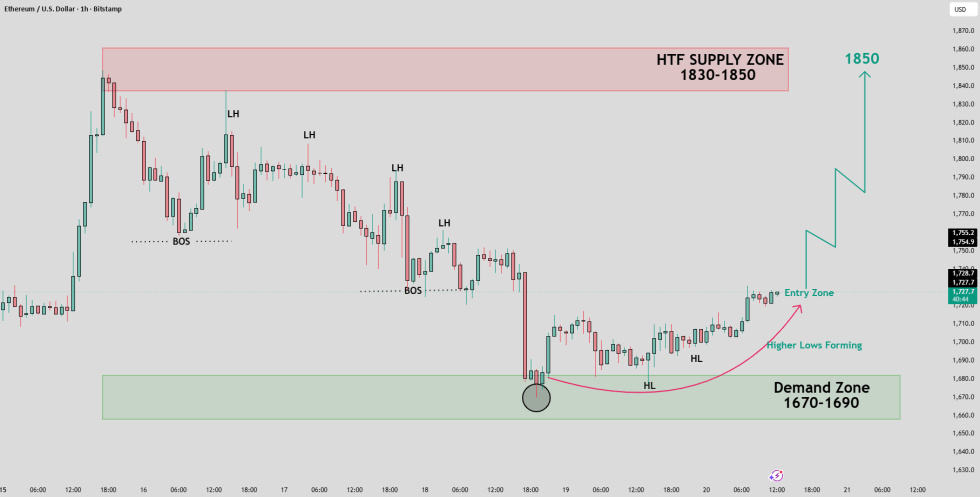
Ethereum Price Setup Targets $1,850 As Buyers Defend Key Demand Zone
A TradingView analyst says Ethereum could target $1,850 if buyers defend the $1,...
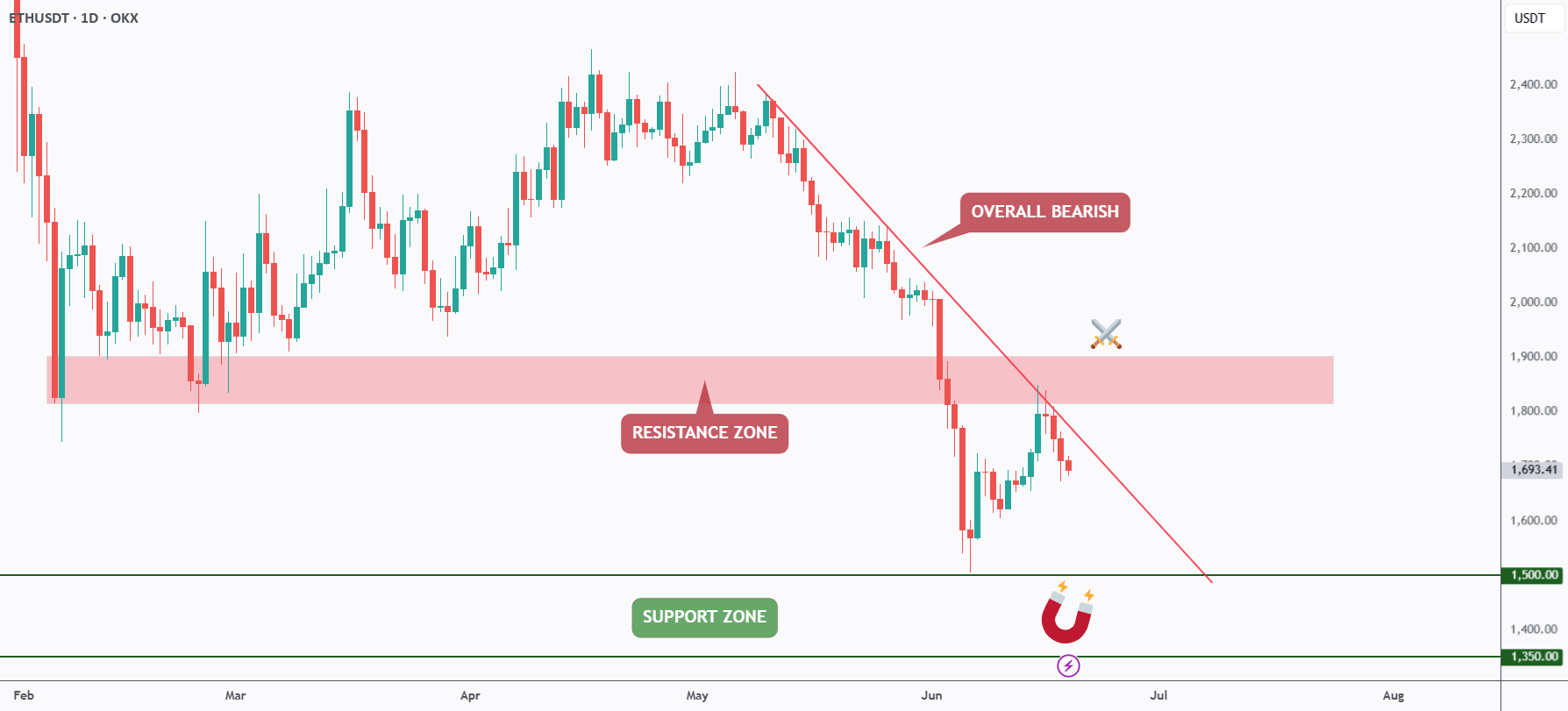
Ethereum Bears Keep Control As ETH Rejects Trendline Resistance
A TradingView analyst says Ethereum remains bearish below a falling trendline, w...
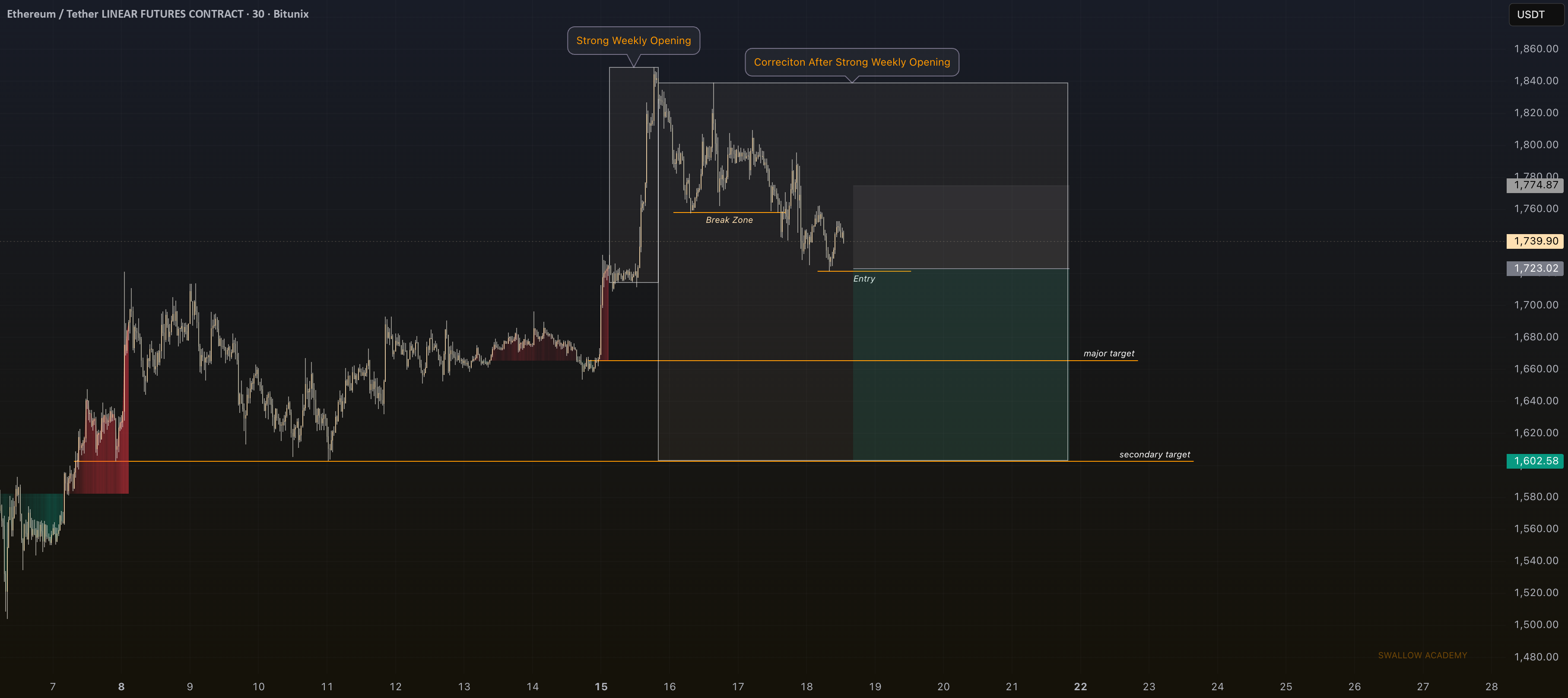
ETH/BTC Ratio Falls Back To Early-2023 Levels As Traders Debate Ethereum Value
An X analyst says ETH/BTC is back near 0.027, while a TradingView chart shows ET...
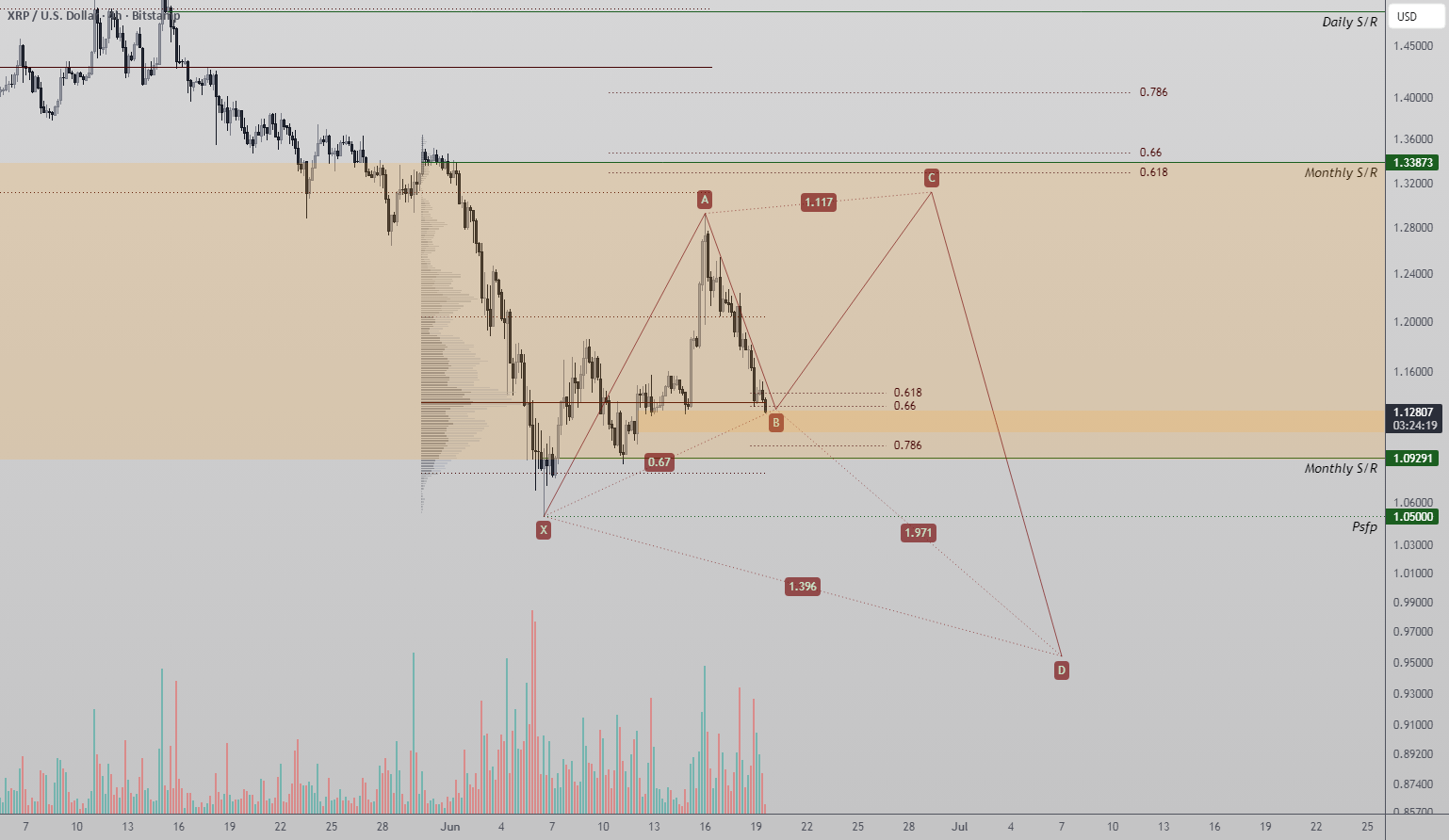
XRP Reversal Setup Forms Around Harmonic Pattern And Key Support Zone
A TradingView analyst says XRP is testing a technically important support zone s...