CFTC Chair Announces New Task Force Focused On Crypto, Prediction Markets, And AI
Alex Smith
2 months ago
Michael Selig, Chairman of the Commodity Futures Trading Commission (CFTC), announced on Tuesday the launch of an Innovation Task Force to provide clearer regulatory guidance to firms developing crypto, blockchain, and artificial intelligence (AI) products in the US derivatives markets.
New CFTC Initiative
According to the agency’s release, the newly established task force will work alongside the agency’s Innovation Advisory Committee and coordinate closely with other federal bodies, including the Securities and Exchange Commission (SEC) and its Crypto Task Force, to craft practical rules for emerging technologies.
Its mandate covers three broad areas: crypto assets and blockchain technologies; artificial intelligence and autonomous systems; and prediction markets and event contracts.
Selig framed the initiative as part of a wider Commission effort to execute an “innovation agenda” that balances market development with appropriate oversight. The Chairman said:
By establishing a clear regulatory framework for innovators building on the new frontier of finance, we can foster responsible innovation at home and ensure American market participants are not left on the sidelines.
Selig had underscored the urgency of the work in a social media post on Monday, saying that previous regulatory ambiguity had driven many crypto firms offshore and left the industry in limbo.
Regulators Move To Clarify Crypto
The task force announcement follows recent joint action by the SEC and the CFTC to clarify the classification of crypto assets. That guidance, released amid the stalled CLARITY Act debate on Capitol Hill, seeks to resolve years of uncertainty by mapping how federal securities rules apply to different types of digital assets.
Central to the guidance is a structured taxonomy that separates digital commodities, digital collectibles, digital tools, stablecoins, and digital securities.
The agencies also emphasized that a token’s regulatory status can change over time: a non-security crypto asset can become subject to securities law based on how it is used or how its economic characteristics evolve, and conversely could cease to be treated as an investment contract.
Both regulators characterized this approach as a significant departure from previous enforcement actions under the Biden administration, providing firms and investors with a clearer framework for assessing compliance risks. SEC Chair Atkins stated:
After more than a decade of uncertainty, this interpretation will provide market participants with a clear understanding of how the Commission treats crypto assets under federal securities laws.
As of this writing, the total crypto market capitalization had dropped to $2.35 trillion. This was led by drops in Ethereum (ETH), XRP, and Bitcoin (BTC) prices on Tuesday, amounting to 1.5%, 3%, and 2%, respectively.
Featured image from OpenArt, chart from TradingView.com
Related Articles
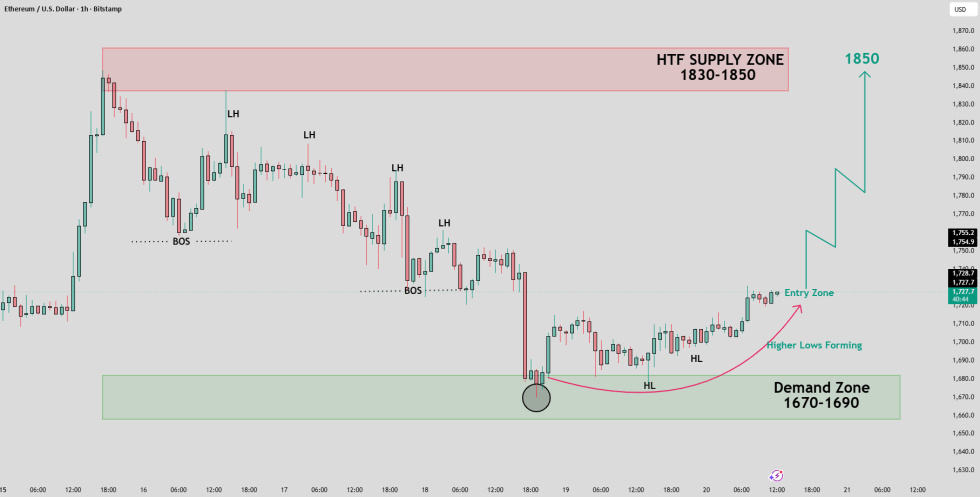
Ethereum Price Setup Targets $1,850 As Buyers Defend Key Demand Zone
A TradingView analyst says Ethereum could target $1,850 if buyers defend the $1,...
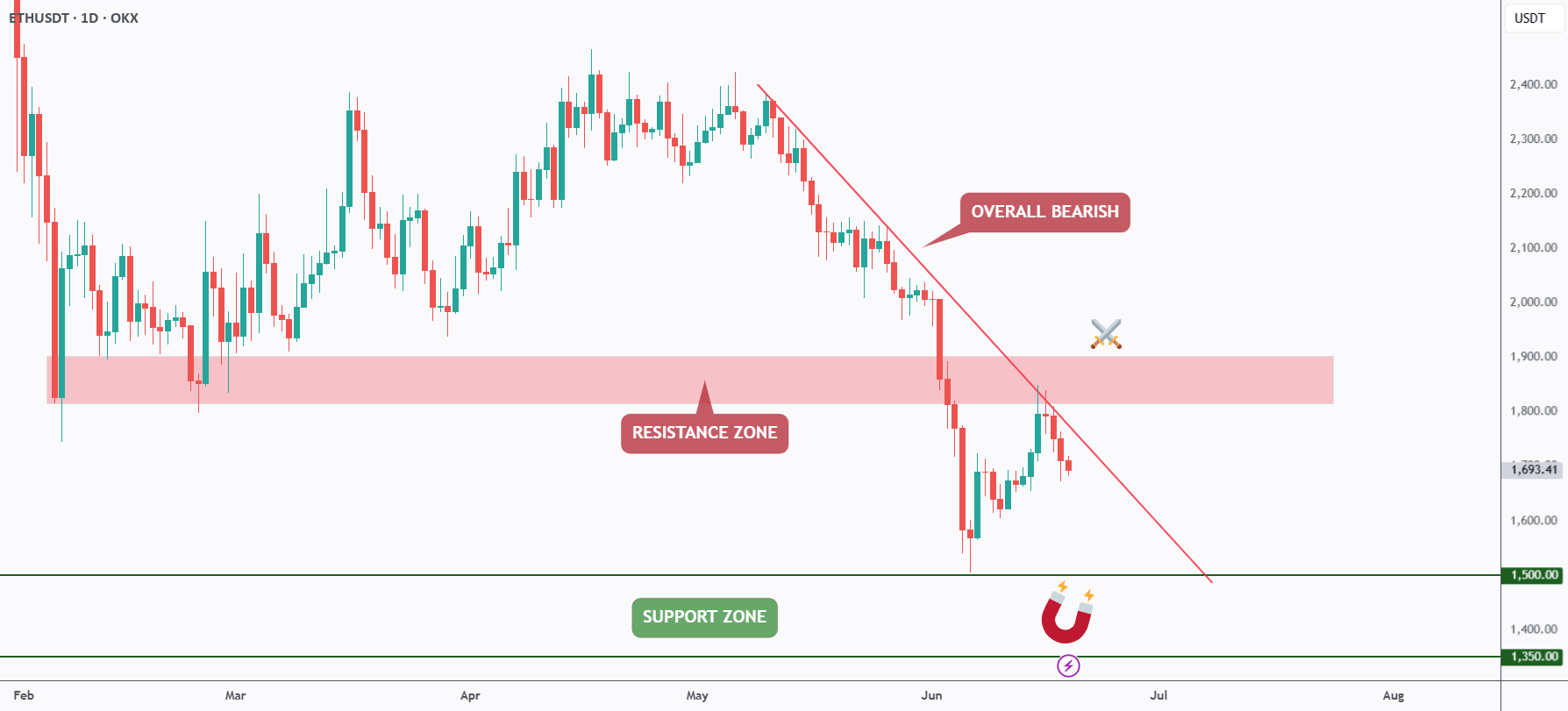
Ethereum Bears Keep Control As ETH Rejects Trendline Resistance
A TradingView analyst says Ethereum remains bearish below a falling trendline, w...
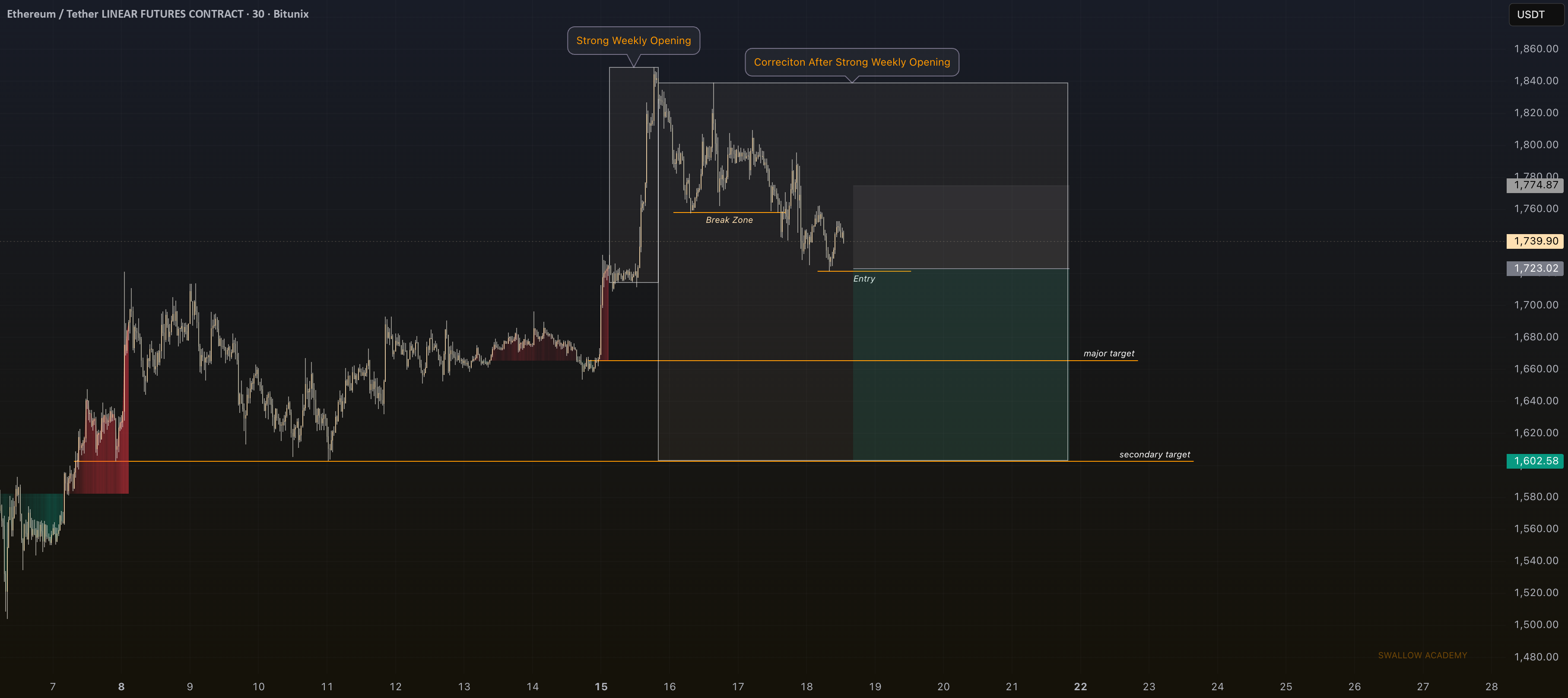
ETH/BTC Ratio Falls Back To Early-2023 Levels As Traders Debate Ethereum Value
An X analyst says ETH/BTC is back near 0.027, while a TradingView chart shows ET...
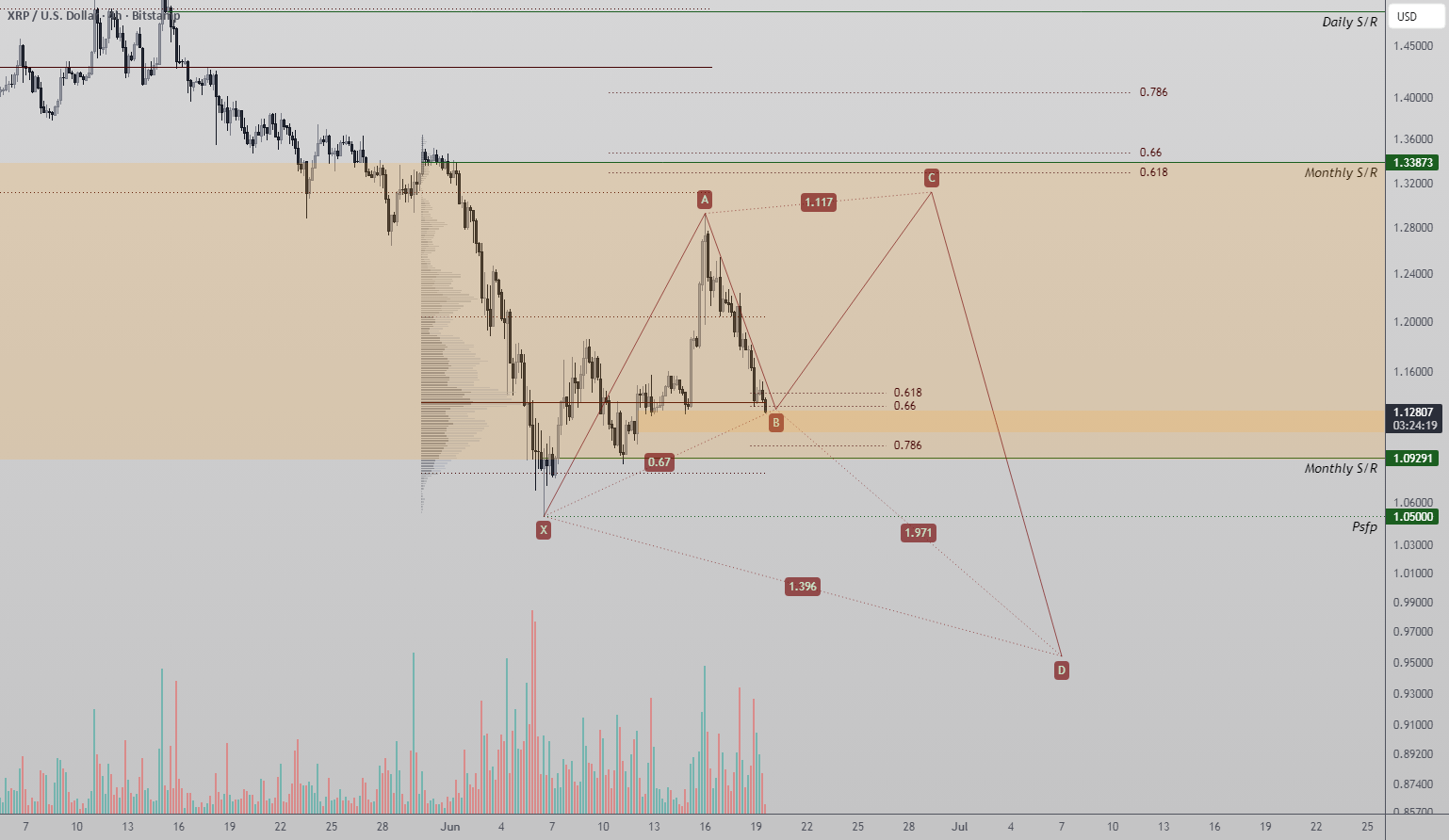
XRP Reversal Setup Forms Around Harmonic Pattern And Key Support Zone
A TradingView analyst says XRP is testing a technically important support zone s...