Copper Crisis: How LPG Shortages Are Breaking the Copper Industry
Alex Smith
2 months ago
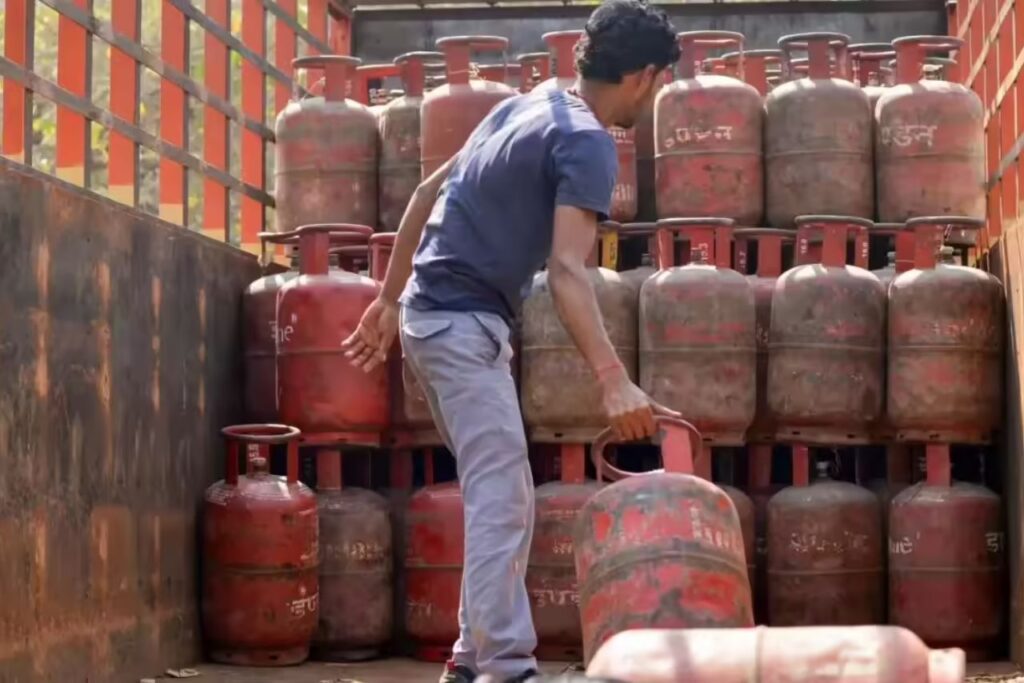
Synopsis: Geopolitical tensions and the Strait of Hormuz closure have forced a diversion of LPG to households, “starving” copper smelters. This energy scarcity threatens high-purity production, inflating costs and risking structural damage.
With LPG and LNG supplies restricted due to geopolitical tensions in the Middle East, governments in emerging markets like India have diverted gas to “Priority 1” sectors—residential heating and cooking. While socially necessary, this policy has left copper smelters and refineries without the fuel required to process high-purity metal.
As of late Q1 2026, the copper price has already gone through a sharp price correction from January’s record highs of $14,500/tonne and a physical production bottleneck caused by energy scarcity. The shortage of LPG and LNG is a “hidden” crisis for the copper industry, and the closure of the Strait of Hormuz has made gas so scarce that it is severely impacting the world’s ability to refine the “Green Metal.”
The Operational Challenge for Copper Smelters
The operational challenge for copper smelters in 2026 has shifted from a matter of being efficient to basic survival due to the acute scarcity of LPG and LNG. Smelting is an intensely thermal process requiring constant temperatures above 1,100°C; and the energy shortage has forced industrial furnaces to operate at sub-optimal levels.
Without a steady, high-pressure flow of gas, smelters are unable to produce the 99.99% high-purity copper required for sensitive applications like AI data centres and electric vehicle motors. The most immediate challenge is a drop in metal quality. Copper used in high-end technology must be Electrolytic Touch Pitch or Oxygen Free.
Without a sufficient supply of LPG/LNG, smelters produce “Blister Copper” which is only about 98-99% pure. This grade is useless for AI microchips, EV motors, and high-voltage transmission lines, as even tiny impurities cause overheating and electrical failure.
In March 2026, many smelters are choosing to temporarily shut down production rather than operate at a massive loss. This creates a hindrance; even if there is plenty of raw ore in the ground, there isn’t enough refined usable metal reaching the market.
Economic Consequences of LPG Diversion
The diversion of LPG is causing a “Margin Squeeze” for copper producers as energy-intensive facilities compete with residential demand. It is fundamentally altering the cost structure of the global cooper trade. Since LPG is the primary energy source for refiners, they are forced onto the spot market, paying premiums of 30–50% for immediate fuel delivery. One of the most alarming signals in 2026 is the near-total disappearance of Treatment and Refining Charges (TC/RCs).
Historically, these fees represent the profit margin for smelters. However, with TC/TR plunging towards 0$/tonne, melters are essentially processing ore for free. The primary driver behind this financial desperation is the ‘warm idle’ requirement. Smelters cannot simply be switched off; if the internal temperature drops due to gas shortages, the molten copper solidifies—or ‘freezes’—inside the machinery. This leads to catastrophic structural failure and millions of dollars in repair costs.
The Risk of Substitution
According to industry experts, manufacturers will look for alternatives if the copper shortage persists. As copper production becomes unreliable due to gas shortages, manufacturers are increasingly moving towards aluminum as a viable alternative for low-voltage wiring and heat exchangers. Goldman Sachs reports that the copper-to-aluminum price ratio is hitting a new high of 4.5:1. Aluminum is lighter and much cheaper; it is roughly 30% as conductive as copper. While aluminum is less efficient, its supply chain is less dependent on the specific high-heat gas refining.
Conclusion: The Divergent path
The 2026 copper crisis is no longer a simple story of supply and demand; it is a direct consequence of a world where energy security and geopolitical stability are fundamentally linked. The escalating US-Iran-Israel conflict and the resulting instability in the Strait of Hormuz have transformed LPG and LNG from industrial commodities into strategic weapons. By forcing a choice between heating homes and refining metal, this “Energy Puzzle” has effectively throttled the production of the high-purity copper essential for the global energy transition.
While short-term prices may fluctuate due to substitution risks and macroeconomic cooling, the underlying deficit remains. For the industry to move forward, the focus must shift from merely mining more ore to securing the stable, high-heat energy supply chains required to process it.
Disclaimer: The views and investment tips expressed by investment experts/broking houses/rating agencies on tradebrains.in are their own, and not that of the website or its management. Investing in equities poses a risk of financial losses. Investors must therefore exercise due caution while investing or trading in stocks. Trade Brains Technologies Private Limited or the author are not liable for any losses caused as a result of the decision based on this article. Please consult your investment advisor before investing.
The post Copper Crisis: How LPG Shortages Are Breaking the Copper Industry appeared first on Trade Brains.
Related Articles

Chalet Hotels vs Ventive Hospitality: Which Premium Hospitality Stock Is Better Positioned for Growth?
Synopsis : India’s hospitality sector is riding one of its strongest growt...
JD Cables Stock: Can Its ₹515 Cr Order Book and Entry Into EPC Projects Power Its Next Growth Phase?
Synopsis: JD Cables is strengthening its growth through capacity expansion, prod...

Angel One Share: How It Plans to Grow From a Trading Platform to a Full-Stack Financial Ecosystem
Synopsis : Transitioning from a transaction-driven broking platform into a techn...
Top 4 Stocks to Benefit from India’s Rising Power Demand and Aggressive Capacity Expansion
Synopsis: India’s growing power demand and rapid capacity expansion are cr...