Crypto Enters Thailand’s Capital Markets After Regulatory Approval
Alex Smith
4 months ago
Thailand has quietly moved a big step closer to making crypto part of its money markets. The Cabinet has given the green light to let cryptocurrencies serve as the underlying assets for regulated products such as futures and options. This opens the door for mainstream trading that is tied to real legal rules and cleared through licensed systems.
Regulators Set Rules
Based on reports, Thailand’s Securities and Exchange Commission will write the detailed rules next. Those rules will say how exchanges must operate, how trades are cleared, and what kinds of risk controls firms must put in place.
Exchanges and banks will need licenses. Custody standards will be tightened. Market makers and institutional investors are already talking to local firms about possible listings and clearing setups. Some work will be done by trading venues; other work will be done by third parties that handle settlement.
Tokenized Bonds And Tax Moves
Reports have disclosed earlier projects that helped pave the way. The government introduced tokenized government bonds, known as G-Tokens, which were offered through licensed digital trading platforms in 2025.
That experiment showed how public debt can sit on a blockchain while still being issued under normal law. At the same time, Reports say a temporary tax break was offered to encourage on-shore crypto trading — a five-year capital gains tax exemption running from 2025 to 2029 for trades on approved platforms.
Stablecoins such as USDT and USDC were added to the approved list to ease trading and settlement.
Market Reaction And Institutional InterestAccording to market watchers, the move drew fast interest from regional fund managers and some global trading desks. There is talk of creating Bitcoin futures and possibly ETFs that link to regulated contracts.
Trading firms say the main pull is clearer rules and a legal route for hedging exposure. Liquidity providers see a chance to offer more tools to investors, and some exchanges have already started building product designs.
Volatility remains a concern, and many firms are cautious about running big positions until the clearing rules are final.
Concerns are being raised about custody, fraud, and links to money laundering. Regulators intend to require robust know-your-customer checks and strict audit trails.
Leverage levels will likely be limited at first. Margining rules are expected to be strict so that a sudden price move does not cascade through the system.
Many observers point out that bringing crypto into regulated markets can help manage these risks — if rules are enforced.
Featured image from Unsplash, chart from TradingView
Related Articles
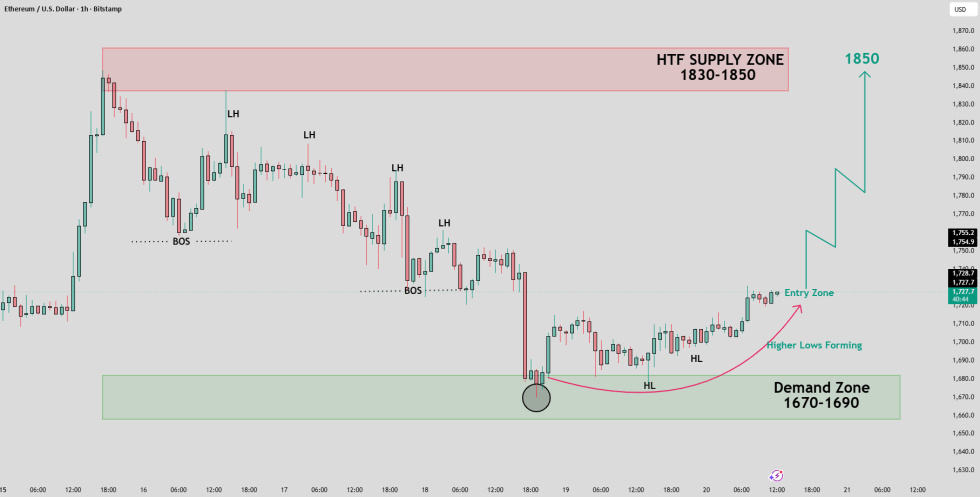
Ethereum Price Setup Targets $1,850 As Buyers Defend Key Demand Zone
A TradingView analyst says Ethereum could target $1,850 if buyers defend the $1,...
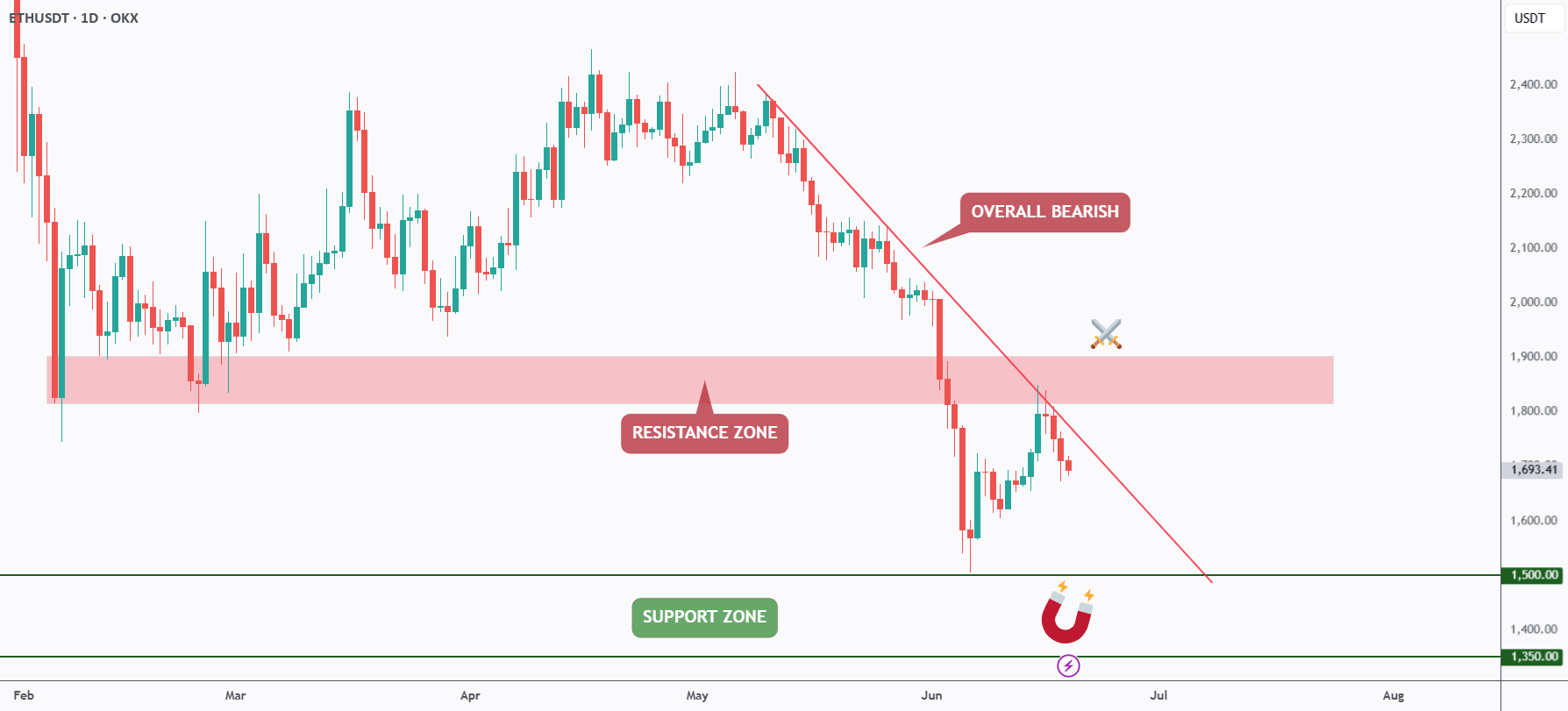
Ethereum Bears Keep Control As ETH Rejects Trendline Resistance
A TradingView analyst says Ethereum remains bearish below a falling trendline, w...
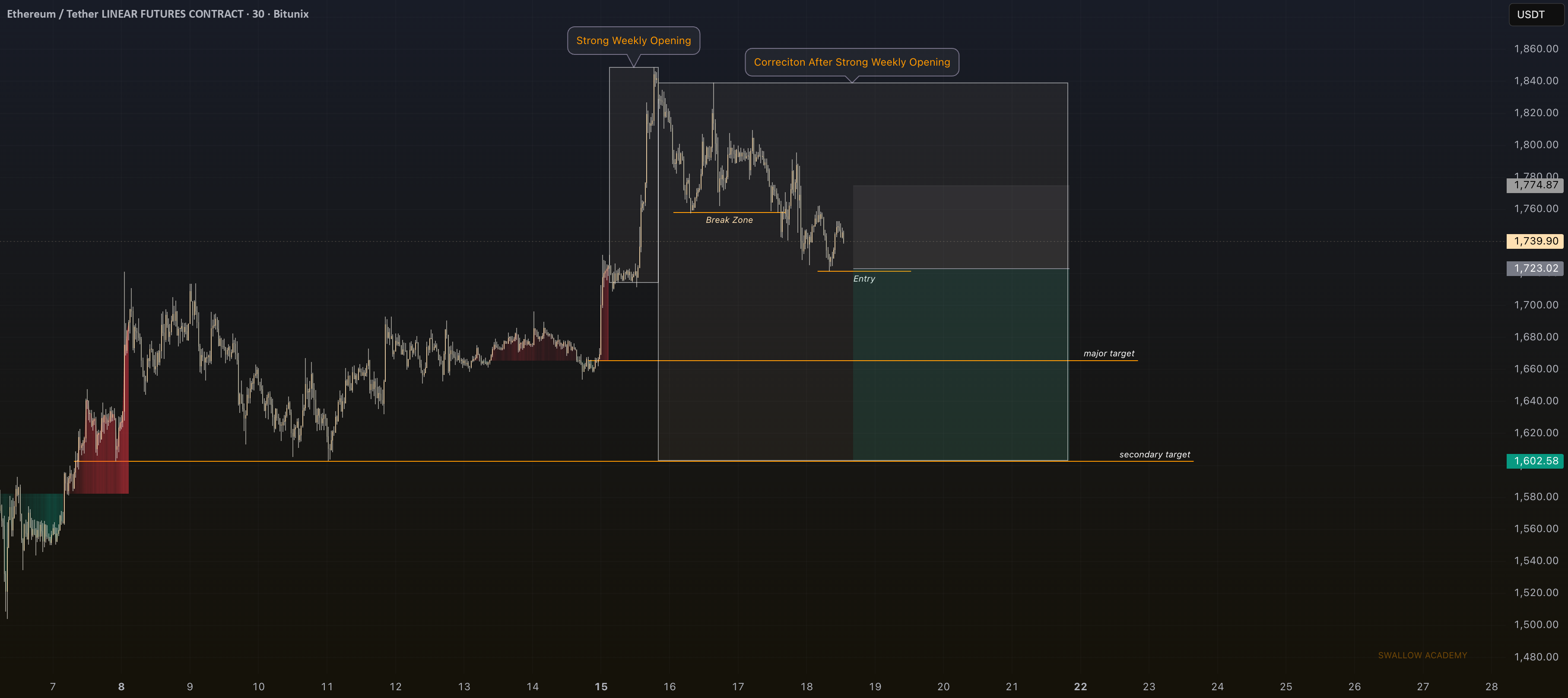
ETH/BTC Ratio Falls Back To Early-2023 Levels As Traders Debate Ethereum Value
An X analyst says ETH/BTC is back near 0.027, while a TradingView chart shows ET...
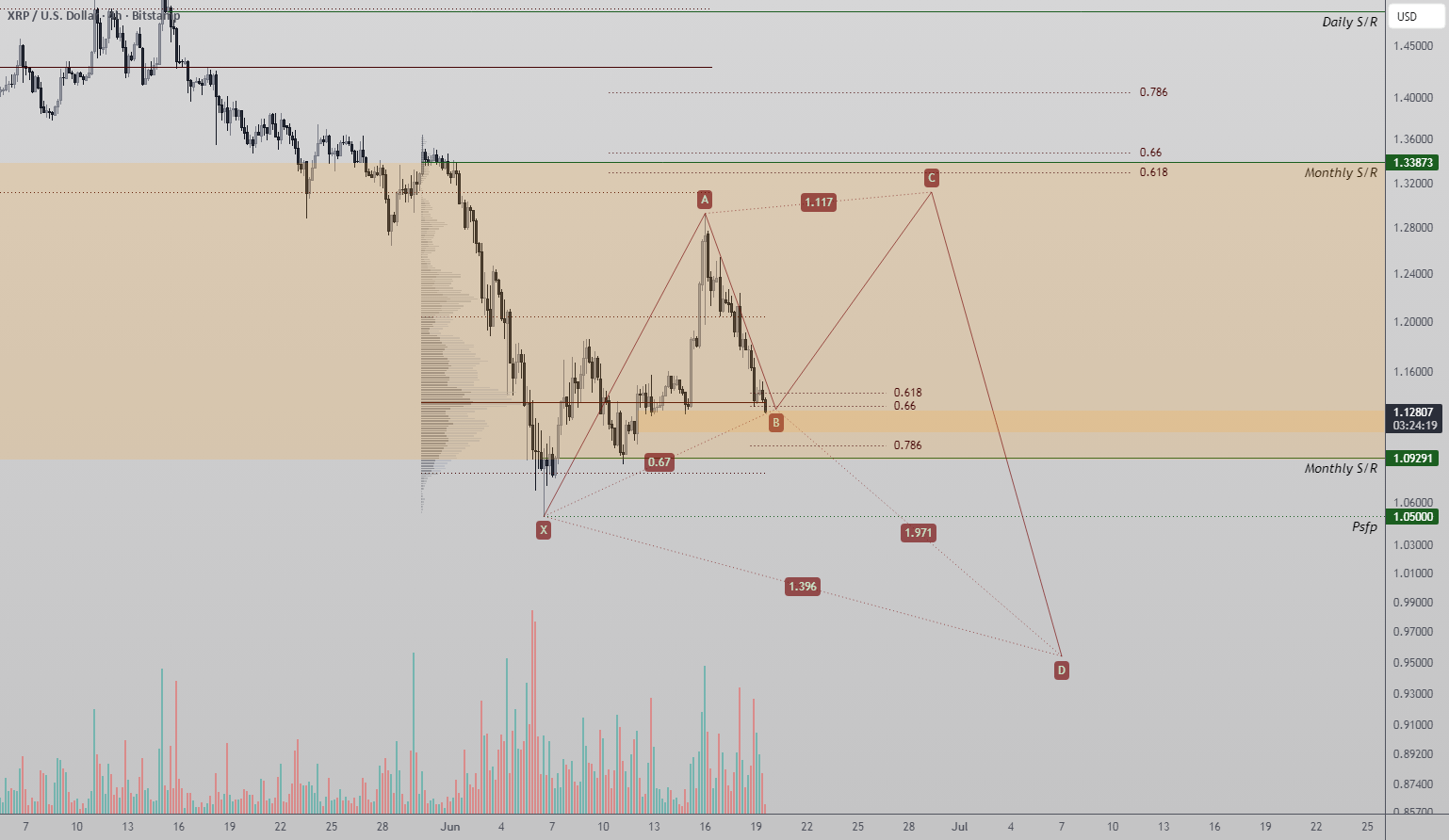
XRP Reversal Setup Forms Around Harmonic Pattern And Key Support Zone
A TradingView analyst says XRP is testing a technically important support zone s...