Crypto Titans Revolt Over California’s 5% Wealth Tax Proposal
Alex Smith
6 months ago

Leaders in crypto and tech are pushing back hard against a proposed one-time 5% wealth tax in California. The measure would hit net worth above $1 billion and would tax paper gains—assets counted even if they haven’t been sold.
Supporters say the money would pay for health programs and other public services. Based on official estimates, the plan could raise up to ~$100 billion from roughly 200 very wealthy residents.
What The Tax Would Do
According to the initiative’s fiscal outline, the levy would apply to net worth on January 1, 2026, and it targets unrealized gains — stocks, company stakes, and other holdings valued on paper.
Taxpayers could pay in one lump sum or stretch payments over five years, with interest if they choose the latter. For example, someone with $20 billion in assets would face about $1 billion in liability under a 5% rule. A resident with more than $200 billion could see a bill exceeding $10 billion.
A 5% theft of unrealized gains and assets taxes were already paid on is about the most retarded thing I’ve ever heard. I promise you this will be the final straw. Billionaires will take with them all of their spending, hobbies, philanthropy and jobs. Solve the waste/fraud issue. https://t.co/DKcNWni2kB
— Jesse Powell (@jespow) December 28, 2025
Industry Pushback And Warnings
Based on reports, several high-profile crypto firms and founders say the measure would drive people and money out of California. Executives named in coverage include Hunter Horsley, Jesse Powell, Chamath Palihapitiya, Nic Carter, Alexis Ohanian, and other tech figures.
I say this with no joy as a California resident:
Many who’ve made this state great are quietly discussing leaving or have decided to leave in the next 12 months.
More generally, one of the fascinating developments of this decade is people voting their views not with the… https://t.co/bTlBnsYdnY
— Hunter Horsley (@HHorsley) December 27, 2025
Their message is simple: large, sudden tax bills on paper wealth could force owners to sell stakes or move to other states, which they argue would cost jobs and investment in the local economy. Some say the rule would be especially tough on founders whose wealth is tied up in startups.
Supporters offer a different view. They argue the charge would target a small group—high net worth individuals—and provide funds for health care, education, and food programs without increasing taxes for middle-income families.
Representative Ro Khanna has been mentioned as a backer who sees the revenue as a way to strengthen public services.
Numbers And UnknownsThe math is clear in one sense: 5% of very large sums adds up quickly. Estimates put potential revenue as high as ~$100 billion. But collection is less certain.
Critics point to past cases where wealth taxes produced less money than forecast because some taxpayers relocated or shifted assets offshore. Valuing private companies and volatile holdings like crypto presents practical challenges, and that could make administration complex.
Featured image from Pexels, chart from TradingView
Related Articles
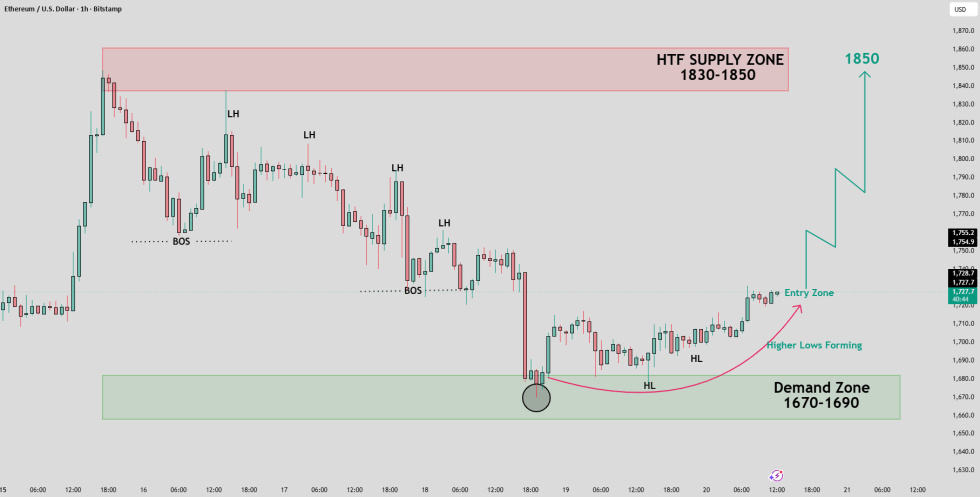
Ethereum Price Setup Targets $1,850 As Buyers Defend Key Demand Zone
A TradingView analyst says Ethereum could target $1,850 if buyers defend the $1,...
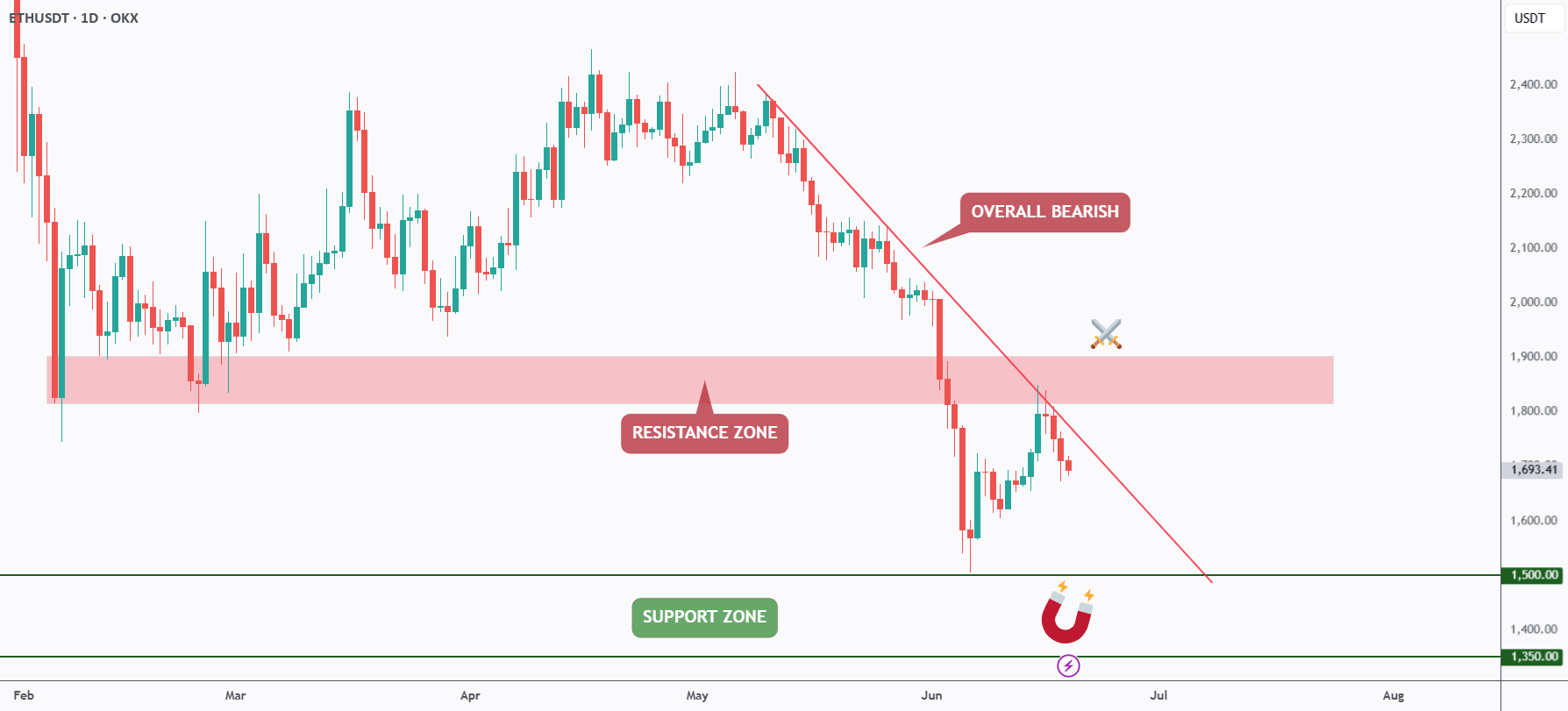
Ethereum Bears Keep Control As ETH Rejects Trendline Resistance
A TradingView analyst says Ethereum remains bearish below a falling trendline, w...
ETH/BTC Ratio Falls Back To Early-2023 Levels As Traders Debate Ethereum Value
An X analyst says ETH/BTC is back near 0.027, while a TradingView chart shows ET...
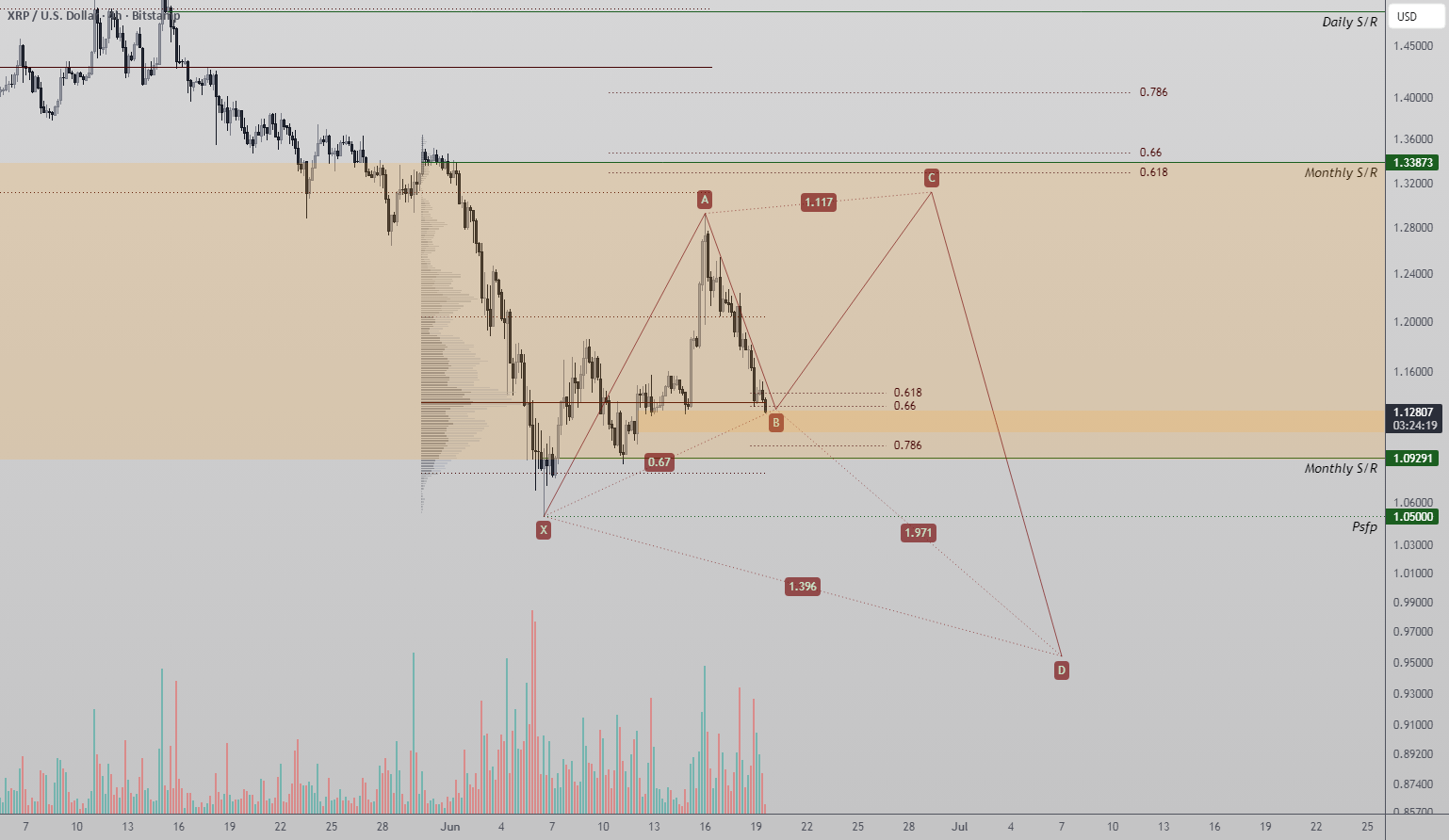
XRP Reversal Setup Forms Around Harmonic Pattern And Key Support Zone
A TradingView analyst says XRP is testing a technically important support zone s...