Ethereum Developers Set Sights On ‘Hegota’ As Next Major 2026 Upgrade
Alex Smith
6 months ago
The Ethereum (ETH) network is gearing up for a key year ahead, with significant upgrades in the pipeline that promise to enhance its functionality and efficiency. Among the most anticipated updates are the Glamsterdam and Hegota forks, which are integral to the developers’ roadmap for the Ethereum ecosystem.
Key Decisions Ahead For Ethereum’s Hegota Fork
Hegota aligns with Ethereum’s newly established upgrade schedule, which aims to facilitate smoother, incremental updates twice a year.
Hegota is distinctive as it effectively merges two critical components of Ethereum’s architecture: the execution layer, known as “Bogota,” and the consensus layer called “Heze.”
A pivotal decision for the Hegota update is selecting the key feature that will take center stage. Developers are expected to make this choice in early 2026, and front-runners such as Verkle Trees and state/history expiry are currently under consideration.
While these terms may seem technical, they focus on a pressing issue: Ethereum’s data storage is becoming excessively large and resource-intensive.
The continuous influx of transactions, non-fungible token (NFT) mints, decentralized finance (DeFi) trades, and memecoins has contributed to Ethereum’s “state,” which is the live database maintained by nodes.
During a recent call discussing the urgency for Hegota, the need for action became clear. As ETH approaches its target of 180 million gas by late 2026, the current Merkle Patricia tree structure will struggle to support the network’s demands.
The Path Forward
The integration of Verkle Trees is not merely a desirable enhancement; it is essential for maintaining viable solo staking as Ethereum’s throughput is expected to triple.
The implementation of Verkle Trees and mechanisms for state/history expiry aim to compress or archive older data, preventing the city hall from collapsing under the weight of paperwork.
Reports suggest that if developers can execute these changes effectively, Ethereum will become more streamlined and better suited for an influx of new users in DeFi, NFTs, and gaming applications.
Following Glamsterdam, which will address features such as proposer-builder separation (ePBS), access lists, and gas repricing, Hegota will further refine Ethereum’s data storage systems instead of starting the fee structure from scratch.
Featured image from DALL-E, chart from TradingView.com
Related Articles
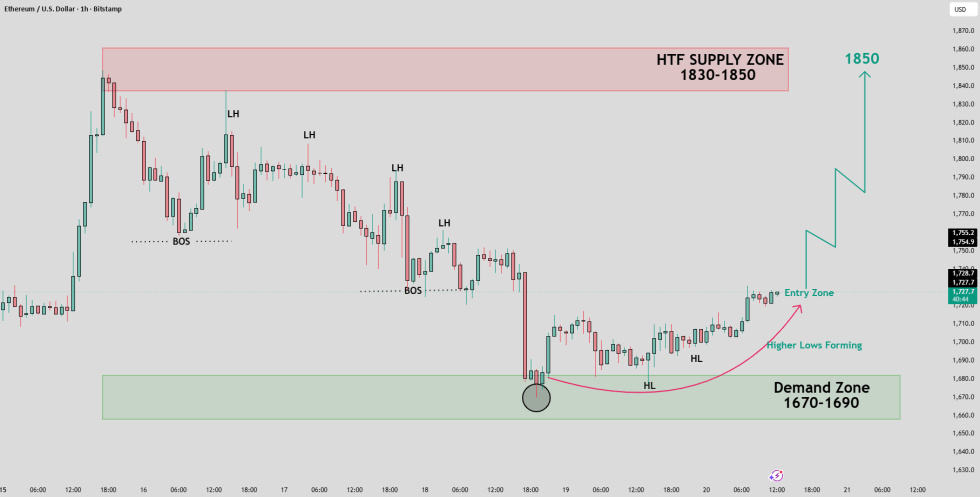
Ethereum Price Setup Targets $1,850 As Buyers Defend Key Demand Zone
A TradingView analyst says Ethereum could target $1,850 if buyers defend the $1,...
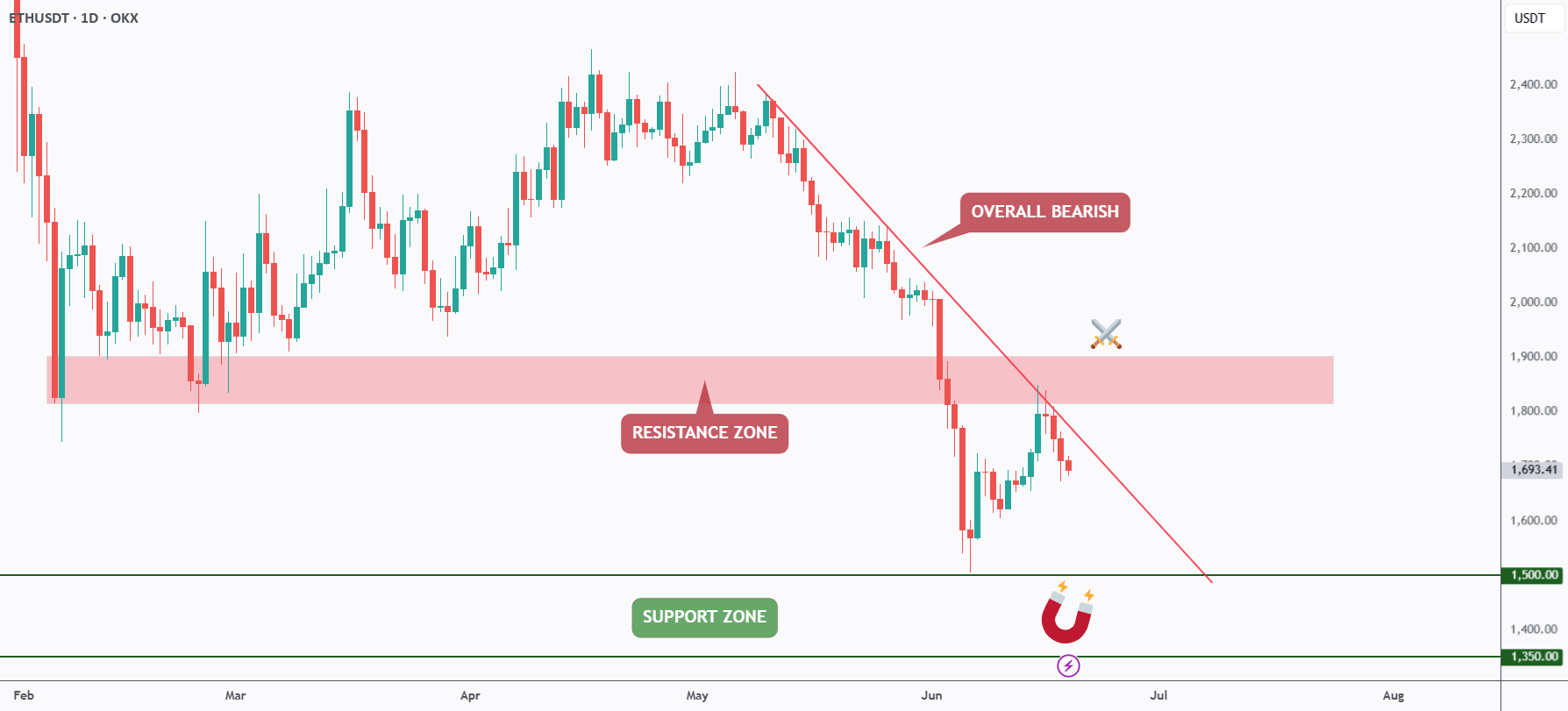
Ethereum Bears Keep Control As ETH Rejects Trendline Resistance
A TradingView analyst says Ethereum remains bearish below a falling trendline, w...
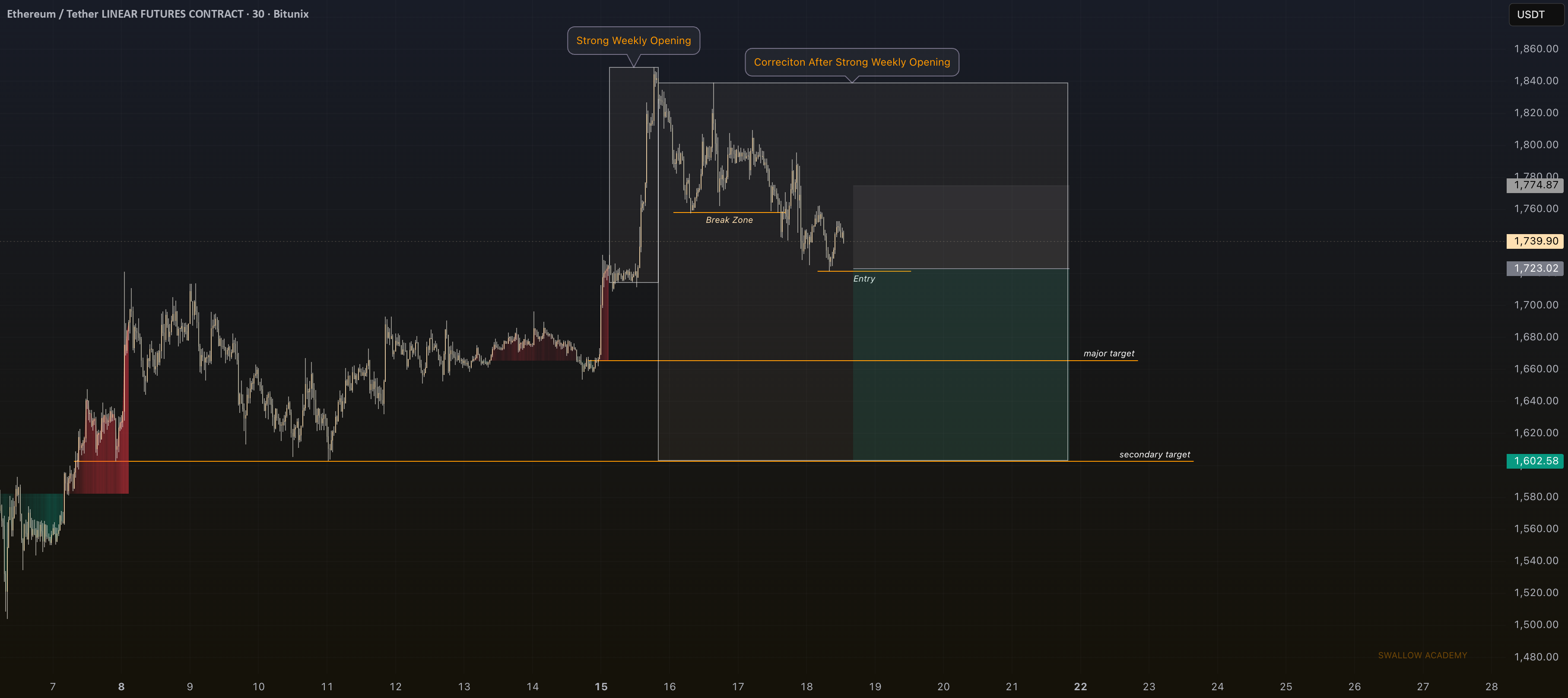
ETH/BTC Ratio Falls Back To Early-2023 Levels As Traders Debate Ethereum Value
An X analyst says ETH/BTC is back near 0.027, while a TradingView chart shows ET...
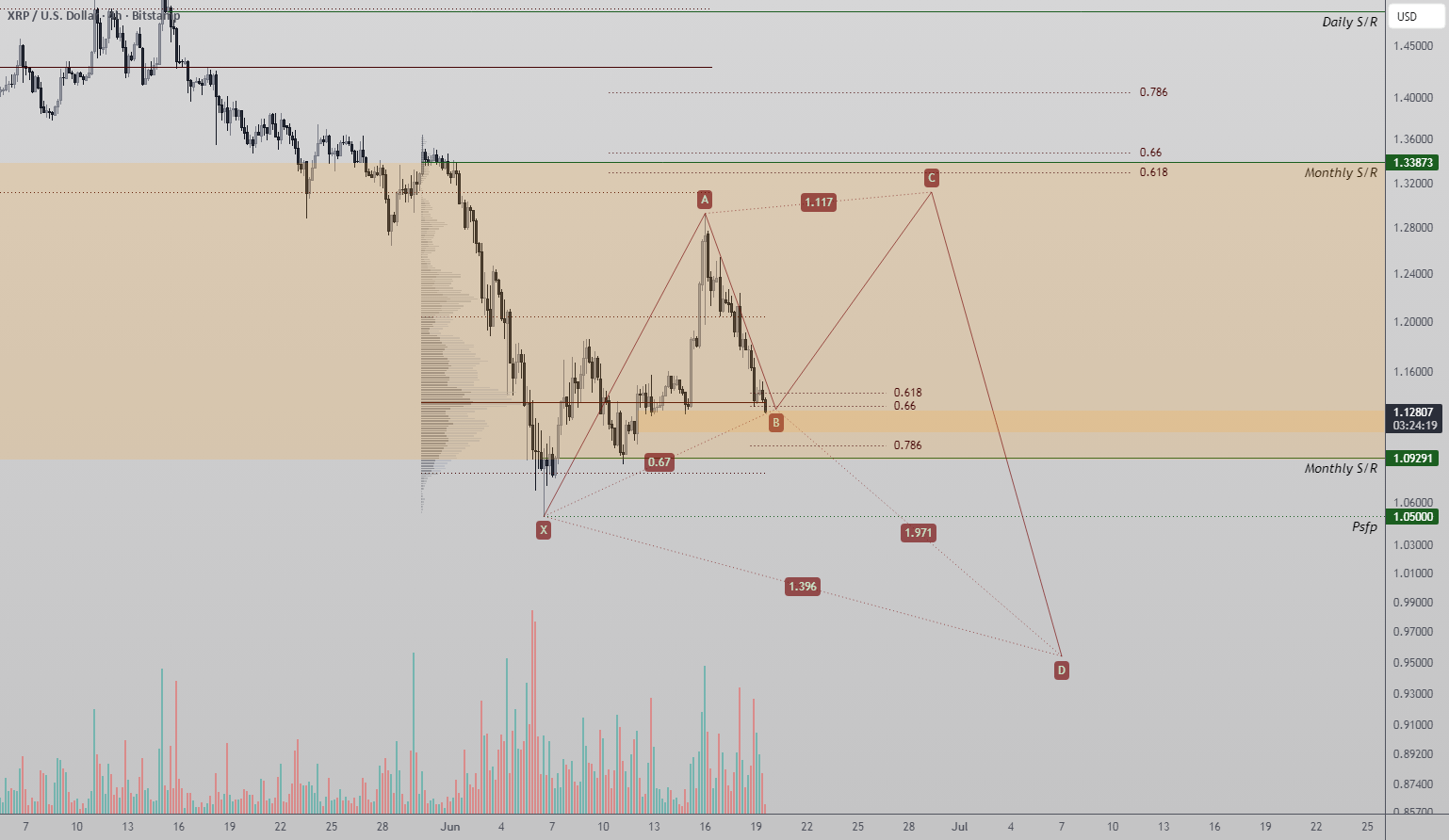
XRP Reversal Setup Forms Around Harmonic Pattern And Key Support Zone
A TradingView analyst says XRP is testing a technically important support zone s...