Insider Trading Case Against Coinbase Leadership Surges Ahead
Alex Smith
4 months ago
Coinbase’s legal battle over alleged insider trading hit a new milestone this week when a Delaware judge refused to toss a shareholder suit, keeping alive claims that top executives and directors sold stock while sitting on inside information.
Reports say the ruling does not resolve guilt or innocence. It simply lets the case continue in court.
Court Lets Case Move Forward
According to filings and press reports, the suit — brought by a shareholder in 2023 — accuses CEO Brian Armstrong and board member Marc Andreessen, among others, of selling large blocks of Coinbase stock around the company’s 2021 direct listing.
The complaint alleges those sales totaled close to $3 billion and that the insiders avoided more than $1 billion in losses by acting before negative information reached the market.
The judge’s decision to deny a motion to dismiss rests less on the precise dollar numbers and more on questions about process.
Reports note that a special litigation committee within Coinbase had already looked into the claims and cleared the directors. But the court flagged concerns over whether that committee was truly independent.
Big Names, Big Stakes
Many headlines have highlighted Andreessen’s name because of his profile and past business links. That attention isn’t just about personalities.
Reports say the chief issue for the court was whether the committee’s ties—direct or indirect—might have skewed its review, making the committee’s blessing less persuasive as a legal shield.
Coinbase has pushed back. The company and some defendants argue the sales were legitimate, part of normal liquidity and market mechanics tied to the direct listing, not secret profit-taking based on hidden problems.
Those defenses were noted in the filings the judge considered. Still, the lawsuit will now proceed through discovery and other pretrial steps.
Questions About Committee IndependenceLegal observers say this case highlights a recurring issue in corporate suits: when an internal review finds no wrongdoing, courts will still test how, and by whom, that review was done.
If the review looks biased, the court may allow a suit to survive early challenges so the facts can be tested under oath.
Featured image from Pexels, chart from TradingView
Related Articles
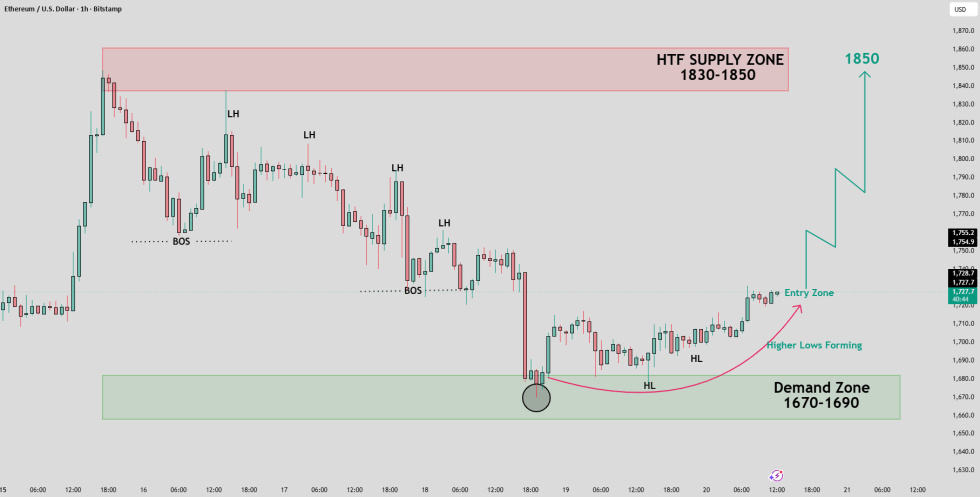
Ethereum Price Setup Targets $1,850 As Buyers Defend Key Demand Zone
A TradingView analyst says Ethereum could target $1,850 if buyers defend the $1,...
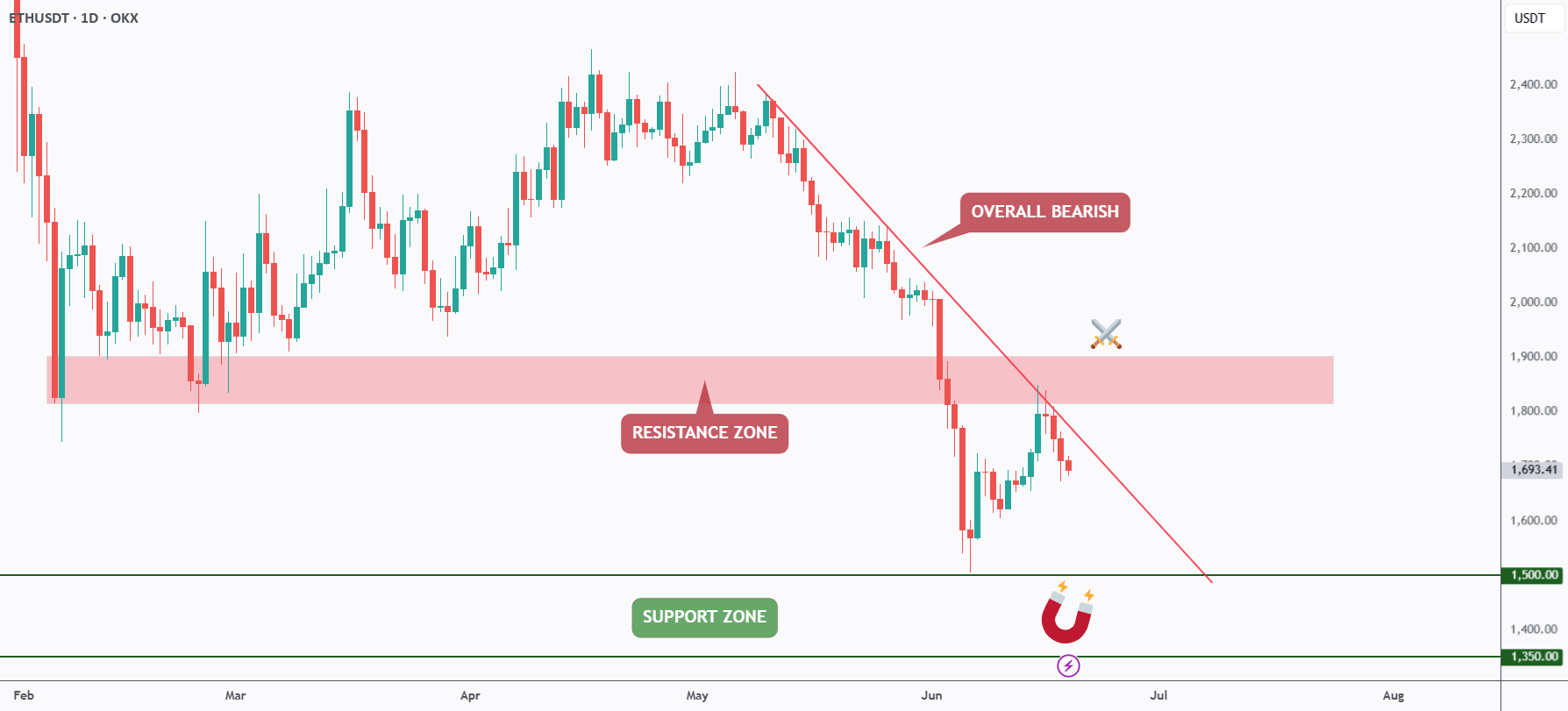
Ethereum Bears Keep Control As ETH Rejects Trendline Resistance
A TradingView analyst says Ethereum remains bearish below a falling trendline, w...
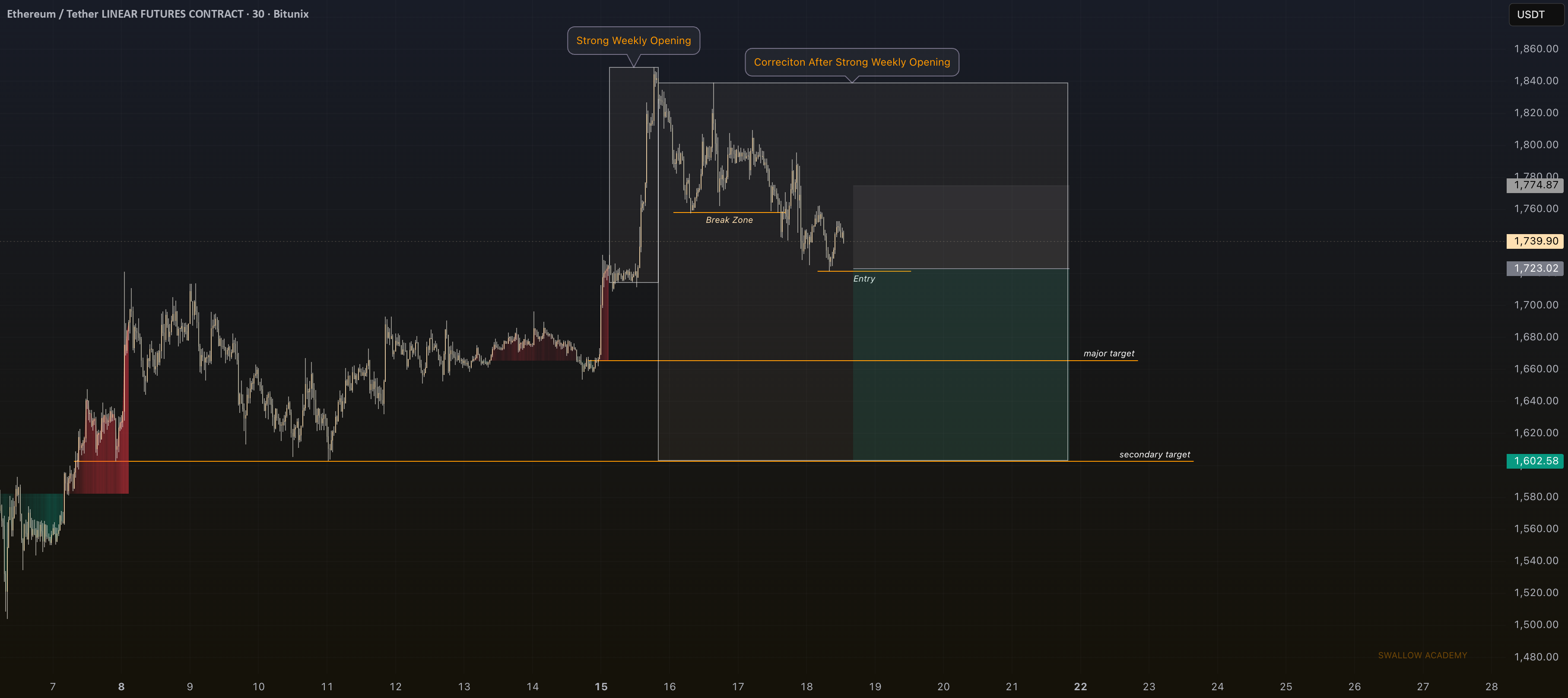
ETH/BTC Ratio Falls Back To Early-2023 Levels As Traders Debate Ethereum Value
An X analyst says ETH/BTC is back near 0.027, while a TradingView chart shows ET...
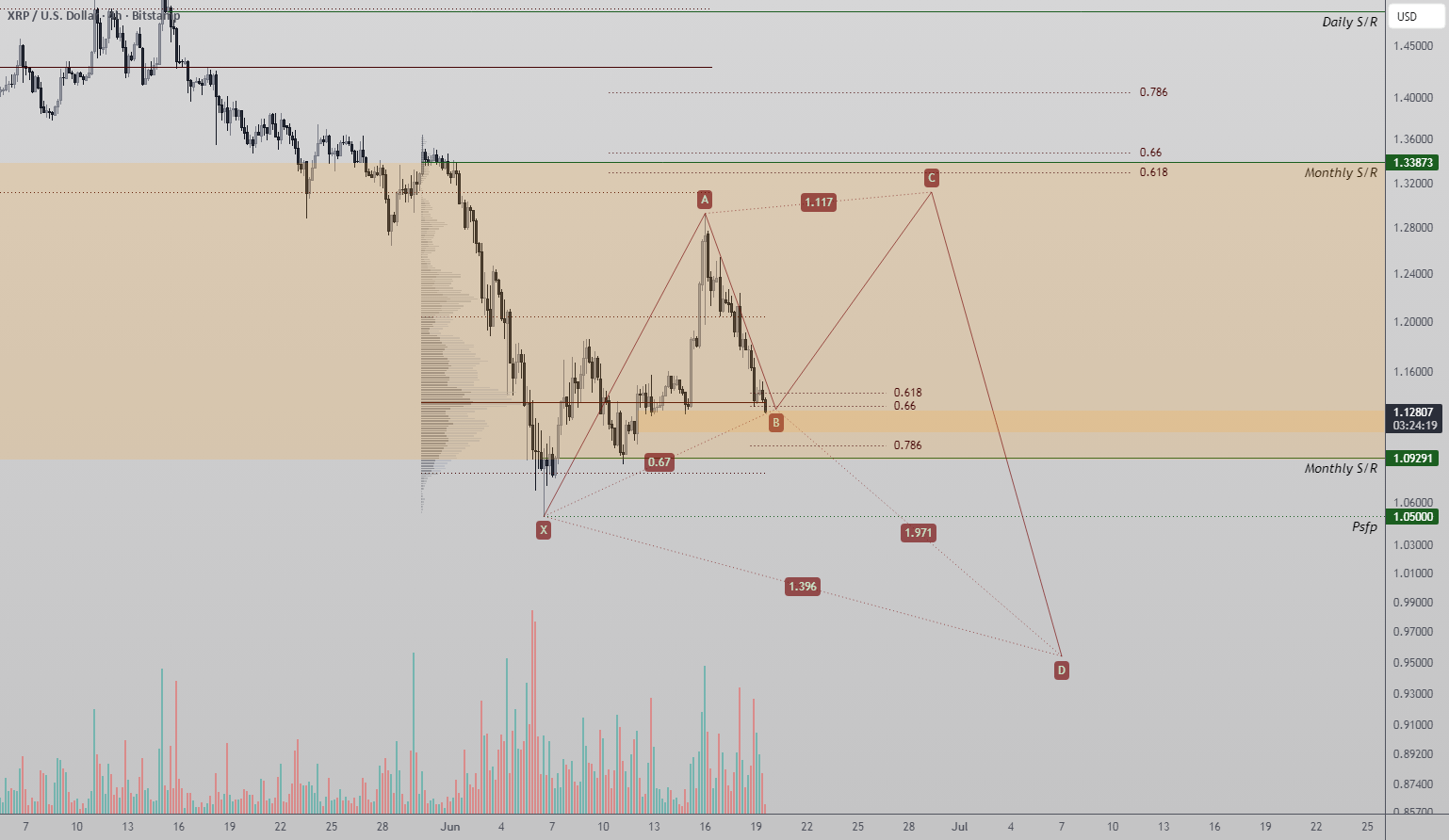
XRP Reversal Setup Forms Around Harmonic Pattern And Key Support Zone
A TradingView analyst says XRP is testing a technically important support zone s...