₹18 to ₹72: Will Cigarette Prices Jump by 400%? Here’s the Reality
Alex Smith
6 months ago
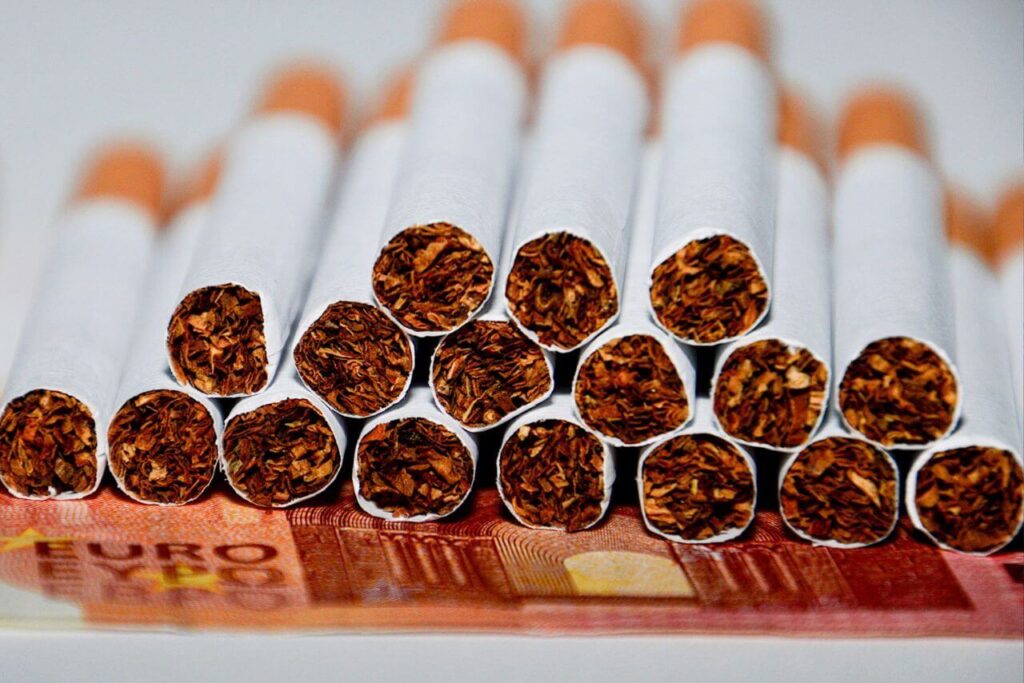
Synopsis: The article addresses rumours of cigarette prices jumping from Rs. 18 to Rs. 72, explaining that this 400 percent rise applies only to extreme cases. While excise duty is increasing to Rs. 2,700–Rs. 11,000 per 1,000 sticks, the impact will differ by brand, with higher pressure on cheaper cigarettes.
India has seen a steady increase in taxes on tobacco products over the years, aimed at reducing consumption and boosting government revenue. Recently, rumors have started circulating that cigarette prices could rise drastically, with some claims suggesting a jump of up to 400 percent. Such a sharp increase, if true, would have a major impact on consumers, retailers, and the tobacco industry as a whole. But how realistic is this figure, and what is driving these potential changes in pricing?
What Rule Has Been Passed?
Parliament recently approved the Central Excise (Amendment) Bill, 2025, which revises excise duties on cigarettes and other tobacco products. Currently, cigarettes attract a 5 percent ad-valorem compensation cess plus a specific cess of Rs. 2,076–Rs. 3,668 per 1,000 sticks depending on length. Once this compensation cess ends, tobacco products will face a flat 40 percent GST along with the revised excise duty.
Under the new structure, the earlier duty slab of Rs. 200–Rs. 735 per 1,000 sticks is being replaced with a sharply higher value-based levy of Rs. 2,700–Rs. 11,000, varying by stick size and specifications. The total tax load on legal cigarettes is expected to rise meaningfully, according to Harshal Dasani, business head at INVasset PMS.
The proposed bill also hikes excise duty on other tobacco products: chewing tobacco from 25 percent to 100 percent, hookah or gudaku tobacco from 25 percent to 40 percent, and smoking mixtures for pipes or cigarettes from 60 percent to 325 percent. These changes align with the broader transition to GST 2.0. Tobacco products had been kept out of GST 2.0 earlier so that COVID-era compensation loans could be fully repaid; now that repayments are nearly complete, the GST Council has approved the new rates.
How Does Excise Rates Translate to Pack Prices?
Excise duties are applied per 1,000 sticks, and analysts convert them into per-pack costs. For the cheapest cigarettes, this could result in a noticeable rise in retail prices. Premium and mid-range brands are likely to see a smaller percentage increase because their base prices are already higher.
Across social media, many posts have simplified this translation, claiming that a pack costing Rs. 18 could rise to Rs. 72 which is a 400 percent increase. While this calculation reflects the extreme case for the cheapest packs, it does not apply uniformly to all brands or categories. Retail prices will also be influenced by GST, state taxes, retailer margins, and manufacturer pricing strategies.
Potential Impact if Prices Increase Sharply
A steep increase in cigarette prices could adversely affect tobacco companies, particularly in the mass-market segment. While taxes per pack would be higher, companies may face revenue pressure due to a decline in legal cigarette volumes as price-sensitive consumers cut consumption or exit the category.
There is also a risk of consumers shifting to unbranded or illicit tobacco products, increasing exposure to fake or sub-standard cigarettes. Some users may move to cheaper alternatives such as bidis, which remain significantly more affordable. Additionally, higher taxes could encourage black-market sales, including smuggled or illegally manufactured cigarettes and imported brands sold at lower prices outside the formal tax system.
Consumer Opinion
From a consumer perspective, sharp price hikes could change smoking behaviour rather than eliminate it altogether. Price-sensitive smokers may reduce consumption or look for cheaper substitutes, while habitual users could continue buying cigarettes through informal or illegal channels to manage costs. For many, the concern is not just higher prices but the quality and safety risks associated with unregulated products.
At the same time, some consumers view higher prices as a deterrent that could encourage quitting or cutting back, particularly among younger or occasional smokers. As a result, consumer response is likely to be mixed, with outcomes ranging from reduced legal consumption to increased reliance on alternatives.
Realistic Expectations for Consumers
The revised tax structure makes higher prices inevitable, especially for low-cost cigarette packs. However, not all cigarettes will see extreme increases, and the impact will vary by brand and segment. Premium cigarettes may experience relatively moderate hikes, while the biggest pressure is likely to be felt in the lower-priced category.
Overall, the excise overhaul is designed to reduce cigarette affordability over time, but its actual market impact will depend on consumer behaviour, enforcement against illicit trade, and how companies adjust their pricing strategies.
Conclusion
The new excise rules will lead to higher cigarette prices, especially for cheaper brands, but a 400 percent increase is not likely for most products. Price rises will vary by brand, with premium cigarettes seeing smaller increases. Overall, the change is aimed at making cigarettes less affordable over time rather than causing a sudden price shock for all smokers.
Written by Akshay Sanghavi
Disclaimer
The views and investment tips expressed by investment experts/broking houses/rating agencies on tradebrains.in are their own, and not that of the website or its management. Investing in equities poses a risk of financial losses. Investors must therefore exercise due caution while investing or trading in stocks. Trade Brains Technologies Private Limited or the author are not liable for any losses caused as a result of the decision based on this article. Please consult your investment advisor before investing.
The post ₹18 to ₹72: Will Cigarette Prices Jump by 400%? Here’s the Reality appeared first on Trade Brains.
Related Articles
Is There a Silver Lining for Airline Companies as Crude Prices Return to Pre-War Levels?
Synopsis: Easing crude oil prices back to pre-war levels provides a meaningful t...

1,000% in 5 Yrs: Electrical Equipment Stock Betting Big on Data Centres, Grid Modernisation, and Renewables
Synopsis: A mid-cap electrical equipment maker that has delivered multi-bagger r...

Aegis Logistics: What Triggered the 56% Rally in Just One Month?
Synopsis: Aegis Logistics shares rallied sharply over the past month, driven by...

India Becomes the World’s 5th Largest Stock Market Again; What’s Driving the Comeback?
Synopsis: India has regained its position as the world’s fifth-largest sto...