Rupee Hits Historic Low Near 96.51 as $100+ Crude and FPI Outflows Squeeze Indian Markets
Alex Smith
1 month ago
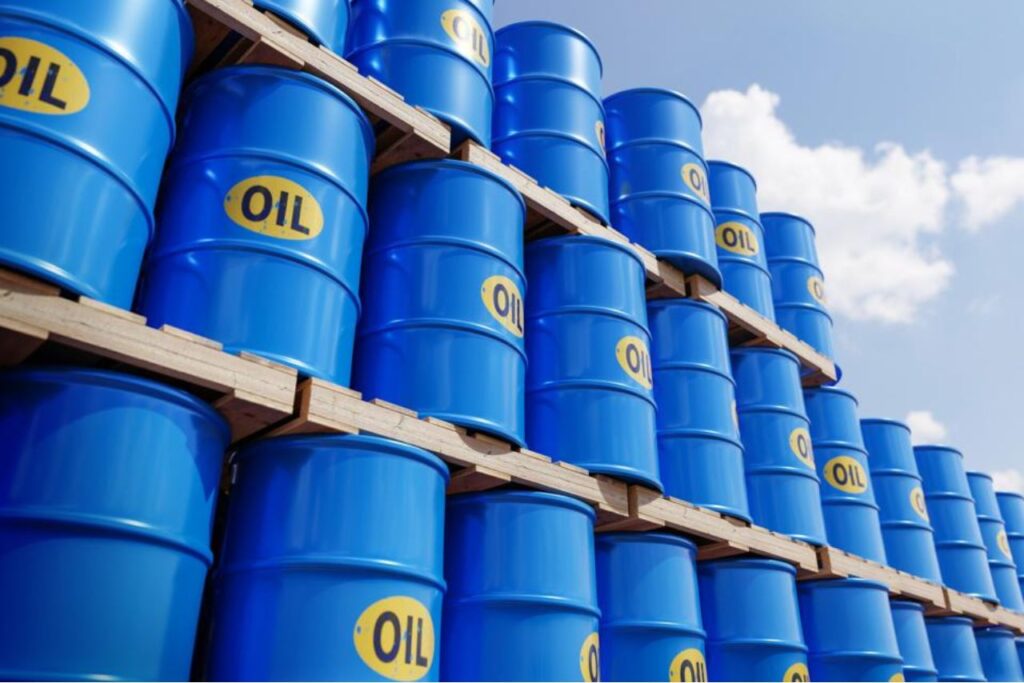
Synopsis: The Indian rupee continues to trade near historic lows at ₹96.51 per dollar, pressured by elevated WTI crude oil prices around $103 per barrel amid unresolved US-Iran geopolitical tensions. While Trump’s decision to call off a military strike offered brief relief, markets remain on edge as the Strait of Hormuz blockade persists and FPI outflows continue.
India’s financial markets are navigating a particularly challenging macro environment on Tuesday, May 19, 2026, with two powerful headwinds: a historically weak rupee and stubbornly elevated global crude oil prices converging to keep investor sentiment subdued.
The Indian rupee opened at ₹96.27 per dollar and briefly touched an intraday high of ₹96.57, hovering near its all-time low levels. Yesterday’s close at ₹96.35 marked a fresh record low for the domestic currency, underlining the persistent pressure building on India’s external sector.
The rupee’s slide to the ₹96 handle is being driven by a confluence of factors that show little sign of reversing in the near term. The most immediate pressure comes from persistently elevated international crude oil prices, which directly worsen India’s trade deficit given that the country imports approximately 85% of its crude oil requirements.
Every dollar increase in crude prices translates to a meaningful increase in India’s import bill, widening the current account deficit and putting structural selling pressure on the rupee.
Beyond crude, Foreign Portfolio Investor (FPI) outflows are compounding the dollar demand in the domestic currency market. Elevated US interest rates and a broadly strong dollar index have made emerging market assets less attractive on a relative basis, triggering sustained FPI exits from Indian equities and debt markets. The combination of crude-driven dollar outflows and FPI redemption-driven outflows is creating a double whammy for the rupee that even periodic RBI intervention has struggled to fully arrest.
Equity markets vividly captured this underlying macro anxiety through severe intraday volatility. Spurred by an early cooling in global oil prices, the benchmark BSE Sensex initially surged by over 400 points in early trade, driven by a spectacular short-covering rally in heavyweight IT counters like Infosys and TCS.
However, the optimism evaporated as aggressive Foreign Portfolio Investor (FPI) outflows completely erased the morning gains. The BSE Sensex closed the session down 114 points at 75,200.85, while the NSE Nifty 50 struggled to hold its key thresholds, reflecting an incredibly fragile domestic investment sentiment.
Crude Oil: Trump Calls Off Iran Strike, But the Relief Is Tentative
On the global energy front, WTI crude oil futures slipped toward $103 per barrel on Tuesday, pulling back from recent highs after US President Donald Trump disclosed that he had called off a planned military strike on Iran following direct appeals from Persian Gulf allies specifically Saudi Arabia, Qatar, and the UAE who urged him to “hold off” and allow negotiations to proceed. Trump indicated that serious diplomatic talks were now underway, though Tehran has yet to publicly confirm the claim, keeping markets cautious.
At the time of writing, WTI crude is trading at $103.12 per barrel, down $1.26 or approximately 1.21% on the day. Brent crude, the international benchmark more directly relevant to Indian import pricing, is trading at $110.09 per barrel, down $2.01 or 1.79%.
While the pullback is welcome, it needs to be placed in context crude oil prices have been rallying consistently for over a week as US-Iran peace talks stalled entirely and the Strait of Hormuz, one of the world’s most critical oil shipping chokepoints, remained effectively closed to regular traffic.
The Strait of Hormuz carries approximately 20% of global oil trade, and its effective blockade has sent shock waves through energy markets globally. Iran’s nuclear programme remains the central sticking point in negotiations, with no breakthrough in sight.
Even the Trump-initiated pause in military action has been met with scepticism by oil traders, given Tehran’s silence on confirming the talks. Adding a further wrinkle, the US has issued a fresh waiver permitting the sale of Russian crude oil and petroleum products already loaded onto tankers a move that slightly eased supply concerns at the margin but was insufficient to drive a more meaningful price correction.
Among other energy commodities, natural gas is trading at $3.04 per MMBtu (up 0.54%), gasoline is at $3.69 per gallon (down 1.78%), and heating oil is at $4.05 per gallon (down 1.65%). Coal is trading at $132.50 (up 0.61%). WTI crude’s historical trading range spans from a low of -$40.32 to an all-time high of $147.27 per barrel in July 2008, with current levels reflecting a market in significant stress but not yet at historical extremes.
For India specifically, the current environment is acutely painful. The combination of a ₹96+ dollar-rupee exchange rate and crude oil prices hovering around $103–$110 per barrel is creating a significant squeeze on the economy.
India’s oil import bill is likely to rise sharply if these levels persist, worsening the fiscal deficit, pushing domestic inflation higher particularly in transportation and energy and complicating the Reserve Bank of India’s monetary policy decisions.
Directly reflecting the global energy squeeze, state-run fuel retailers initiated their second price hike within a single week, raising both petrol and diesel prices by approximately ₹0.90 per litre. This pass-through pushed retail petrol in the national capital to ₹98.64 per litre and diesel to ₹91.58 per litre, signaling an escalating inflationary threat to the domestic consumer economy unless global tensions cool down.
What to Watch
Markets will closely track developments in US–Iran negotiations, as any easing of tensions could push crude below $100 per barrel and relieve pressure on the rupee. Investors will also watch for RBI intervention signals in the currency market and FPI flows, which will play a key role in determining whether the rupee stabilizes or continues trading near record lows.
Disclaimer: The views and investment tips expressed by investment experts/broking houses/rating agencies on tradebrains.in are their own, and not that of the website or its management. Investing in equities poses a risk of financial losses. Investors must therefore exercise due caution while investing or trading in stocks. Trade Brains Technologies Private Limited or the author are not liable for any losses caused as a result of the decision based on this article. Please consult your investment advisor before investing.
The post Rupee Hits Historic Low Near 96.51 as $100+ Crude and FPI Outflows Squeeze Indian Markets appeared first on Trade Brains.
Related Articles

Mahindra & Mahindra and 2 Auto Stocks Trading At a PEG Ratio Below 1 with Strong Earnings Growth
Synopsis: The Price/Earnings-to-Growth (PEG) ratio is one of the most useful val...
3 Battery Stocks That Could Benefit From India’s Upcoming EV Policies
Synopsis: India’s EV push, supported by subsidies and localisation policies, is...
Top 3 Stocks Powering India’s Defence Manufacturing To Keep a Watch on
Synopsis: A leading brokerage believes defence manufacturing in India is enterin...
Defence Electronics Stock Targets 3x Revenue Growth; Here’s What Investors Must Know
Synopsis: Backed by a Rs.2,141 crore standalone order book, management guidance...