Rupee Slips to 95.78 as Crude Rebounds on Stalled U.S.-Iran Talks
Alex Smith
1 month ago
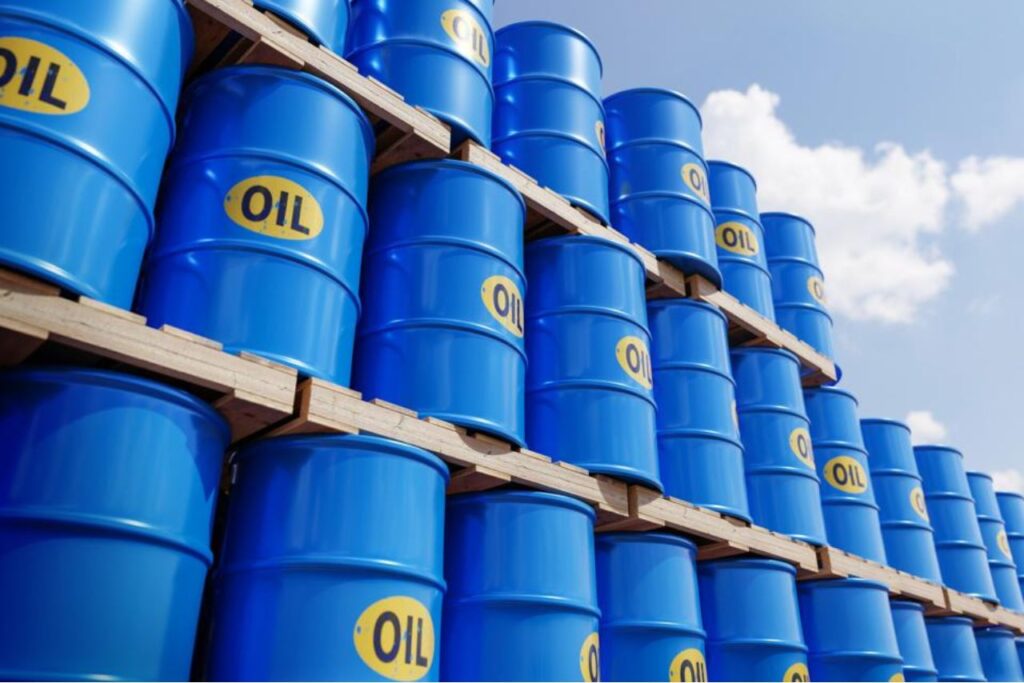
Synopsis:- Renewed uncertainty over the U.S.-Iran peace deal sent Brent crude futures up nearly 2 percent to around $98 per barrel, dragging the Indian Rupee down 17 paise to 95.43 against the dollar and halting a three-session winning streak; with the Strait of Hormuz still restricted and an RBI policy meeting due June 5, currency and rate markets remain on edge.
Shares of oil-linked and import-heavy sectors came under pressure on May 26 after fresh U.S. military strikes on Iranian missile sites and mine-laying boats complicated what had briefly appeared to be a near-finalised peace roadmap. The development reversed an early-session calm in crude markets and sent the Indian Rupee into retreat, with month-end dollar demand from domestic importers amplifying the move.
Brent crude futures climbed nearly 2 percent to trade between $97.91 and $98.18 per barrel, sharply reversing from session lows near $93 that had formed on initial optimism over a U.S.-Iran deal. The Strait of Hormuz, which handles a significant share of global seaborne oil flows, has remained heavily restricted since the conflict escalated in early 2026 following joint U.S.-Israeli airstrikes.
U.S. President Donald Trump and Secretary of State Marco Rubio acknowledged that a 60-day roadmap covering the strait’s reopening and nuclear stockpile handling was largely negotiated, but indicated a final resolution could still take several days. That qualifier was enough for energy markets to reprice risk upward. The war premium embedded in Brent stands in stark contrast to pre-conflict baseline forecasts J.P. Morgan had estimated the benchmark would average closer to $60 per barrel through 2026 under normal supply conditions.
Currency and Central Bank Response
The Rupee fell 17 paise to 95.43 per U.S. dollar, extending what has become a roughly 7 percent depreciation over the course of 2026 the steepest calendar-year decline in four years. India’s position as the world’s third-largest crude importer makes the currency structurally sensitive to energy price spikes, as higher oil costs widen the current account deficit and lift dollar demand from refiners and importers simultaneously. Month-end corporate dollar buying to settle trade liabilities added a second layer of pressure on top of the geopolitical trigger.
The Reserve Bank of India intervened through state-run banks, directing dollar sales at upper levels to limit the Rupee’s slide. India’s 10-year benchmark bond yield edged up to 7.036 percent, roughly 40 basis points above where it traded before the conflict began. With oil above $98 and inflation risks building, ANZ is forecasting a 25-basis-point rate hike at the RBI’s June 5 policy meeting.
Disclaimer: The views and investment tips expressed by investment experts/broking houses/rating agencies on tradebrains.in are their own, and not that of the website or its management. Investing in equities poses a risk of financial losses. Investors must therefore exercise due caution while investing or trading in stocks. Trade Brains Technologies Private Limited or the author are not liable for any losses caused as a result of the decision based on this article. Please consult your investment advisor before investing.
The post Rupee Slips to 95.78 as Crude Rebounds on Stalled U.S.-Iran Talks appeared first on Trade Brains.
Related Articles

Mukul Agrawal Stock: Can This EV Firm Capture 30% of India’s Low-Speed EV Market?
Synopsis: India’s low-speed EV market is witnessing rapid growth, and Zeli...

EPC Stock with Order Book Worth More Than Its Market Cap; Do You Own It?
Synopsis: A construction company has strengthened its execution pipeline with fr...

5 Stocks in Which Mutual Funds Increased Their Stakes by Up to 10.71% in Q1; Do You Hold Any?
Synopsis: Mutual funds increased their stake in stocks like ACME Solar, KRN Heat...

Mukul Agrawal Stock That Delivered 100% Returns in One Quarter Amid AI Push; Check the Stock
Synopsis: A small-cap engineering stock has doubled in a single quarter, backed...