These Ripple Patents Show Why XRP Can’t Be Copied Or Replicated
Alex Smith
4 months ago
Questions around whether XRP can be copied often focus on open-source code and blockchain forks, but a recent explanation shared by an XRP community member points attention to something deeper.
His comments are focused on Ripple’s patented payment architecture and how XRP’s real function is protected not just by network effects and liquidity but by intellectual property that governs how value actually moves across financial systems.
XRP Is Legally Protected By Patents
The XRP community member, known as Wilberforce Theophilus, pointed to U.S. Patent No. 10,902,416 as a reason why XRP cannot be recreated by another cryptocurrency. This patent covers a system for settling cross-border payments using a digital asset as a bridge between different currencies and institutions.
The focus is on the full settlement process that removes the need for pre-funded accounts and reduces cost and time. The patented flow describes how liquidity is sourced, exchanged, and settled using XRP. With this patent, it means that no cryptocurrency can perform this function without XRP.
The second patent, U.S. Patent No. 11,998,003, builds on Ripple’s earlier designs and is designed to cover advanced interoperability between different ledgers and payment networks. This protection applies to how disparate systems are linked together into a single payment flow that can operate across jurisdictions and infrastructures.
According to Wilberforce’s explanation, this is where replication becomes impossible in practice. Even if another project designs a fast blockchain, it cannot copy Ripple’s exact architecture for connecting banks, payment providers, and blockchains with XRP embedded as the settlement medium. That architecture is legally protected.
Why Copying The Code Is Not The Same As Copying XRP
The patents mentioned above are only a few from the total number of patents held by Ripple Labs, XRP’s parent company. As it stands, Ripple Labs holds approximately 39 patents globally, out of which 18 have been granted.
At a surface level, parts of the XRP Ledger are open source, which means developers can study the code and even fork it to create similar-looking networks. This has led to assumptions that XRP itself can be easily replicated.
A team could replicate the consensus mechanism, transaction speed, and fee structure and even issue a new token that functions almost identically on paper. In that narrow technical sense, then XRP can be copied. However, XRP’s value does not come from the code alone.
XRP’s value can be attributed to over a decade of live operation, deep exchange liquidity across jurisdictions, and its association with Ripple, which has spent years building relationships with banks, payment providers, regulators, and institutions.
The software defines how transactions are processed on a ledger, but it does not define the legally protected system that uses XRP as a bridge asset between financial institutions. Ripple, for one, is working fervently to position XRP as the bridge asset, with a recent example being the expansion into the Middle East with a partnership with Riyad Bank.
Related Articles
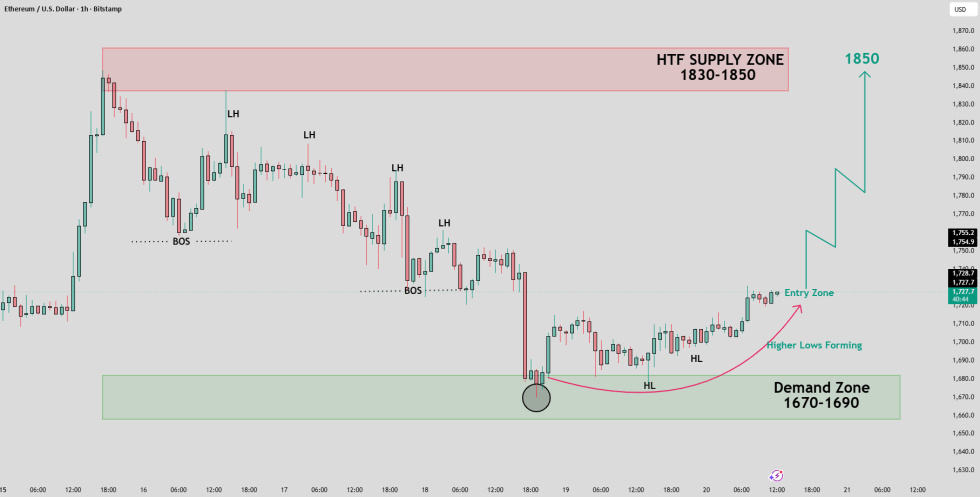
Ethereum Price Setup Targets $1,850 As Buyers Defend Key Demand Zone
A TradingView analyst says Ethereum could target $1,850 if buyers defend the $1,...
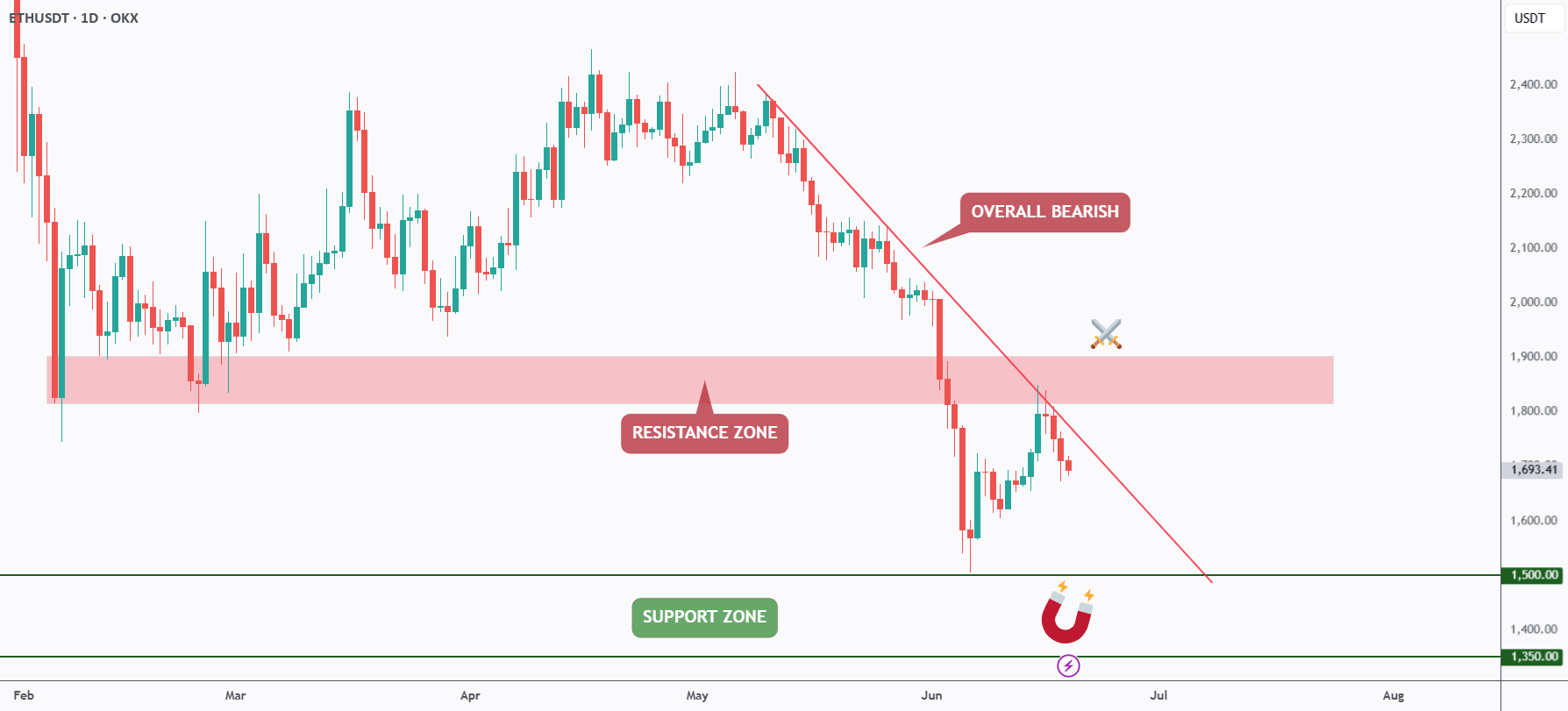
Ethereum Bears Keep Control As ETH Rejects Trendline Resistance
A TradingView analyst says Ethereum remains bearish below a falling trendline, w...
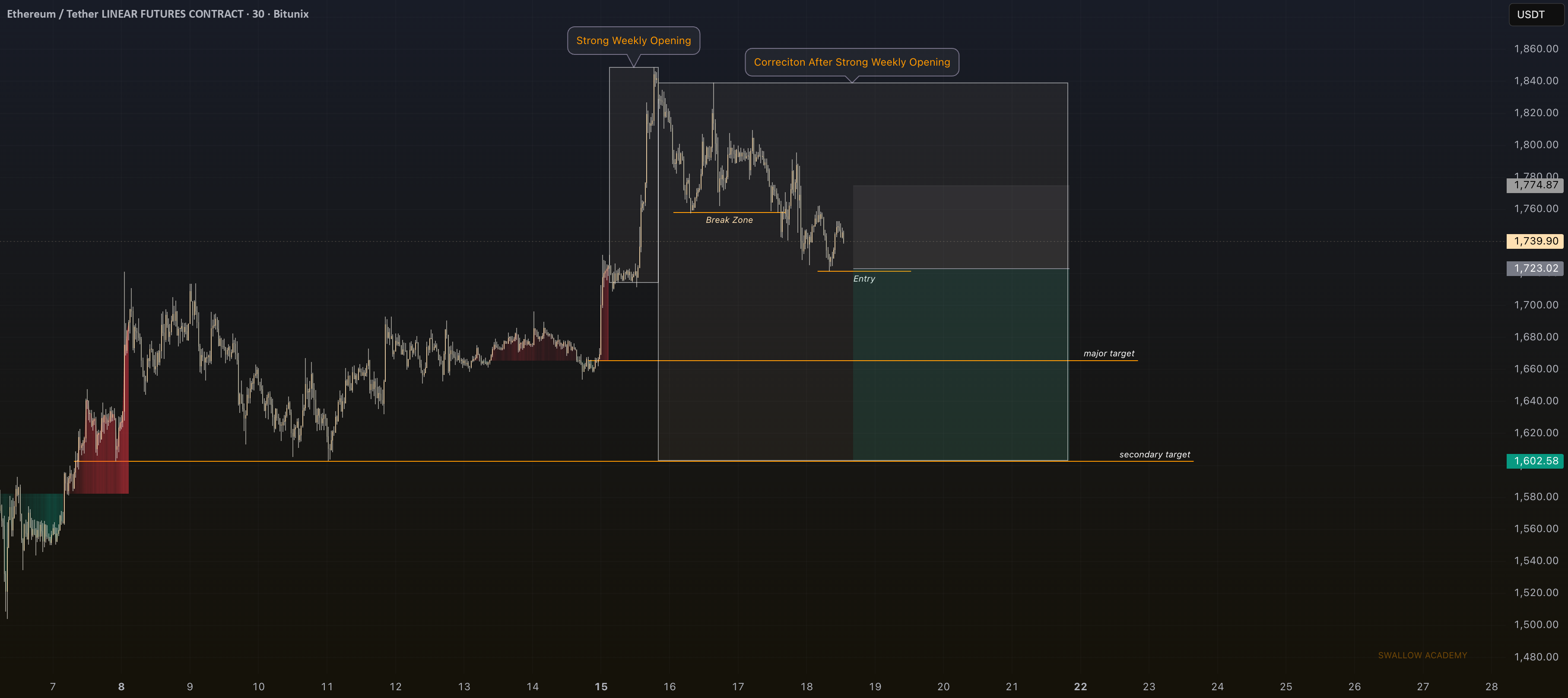
ETH/BTC Ratio Falls Back To Early-2023 Levels As Traders Debate Ethereum Value
An X analyst says ETH/BTC is back near 0.027, while a TradingView chart shows ET...
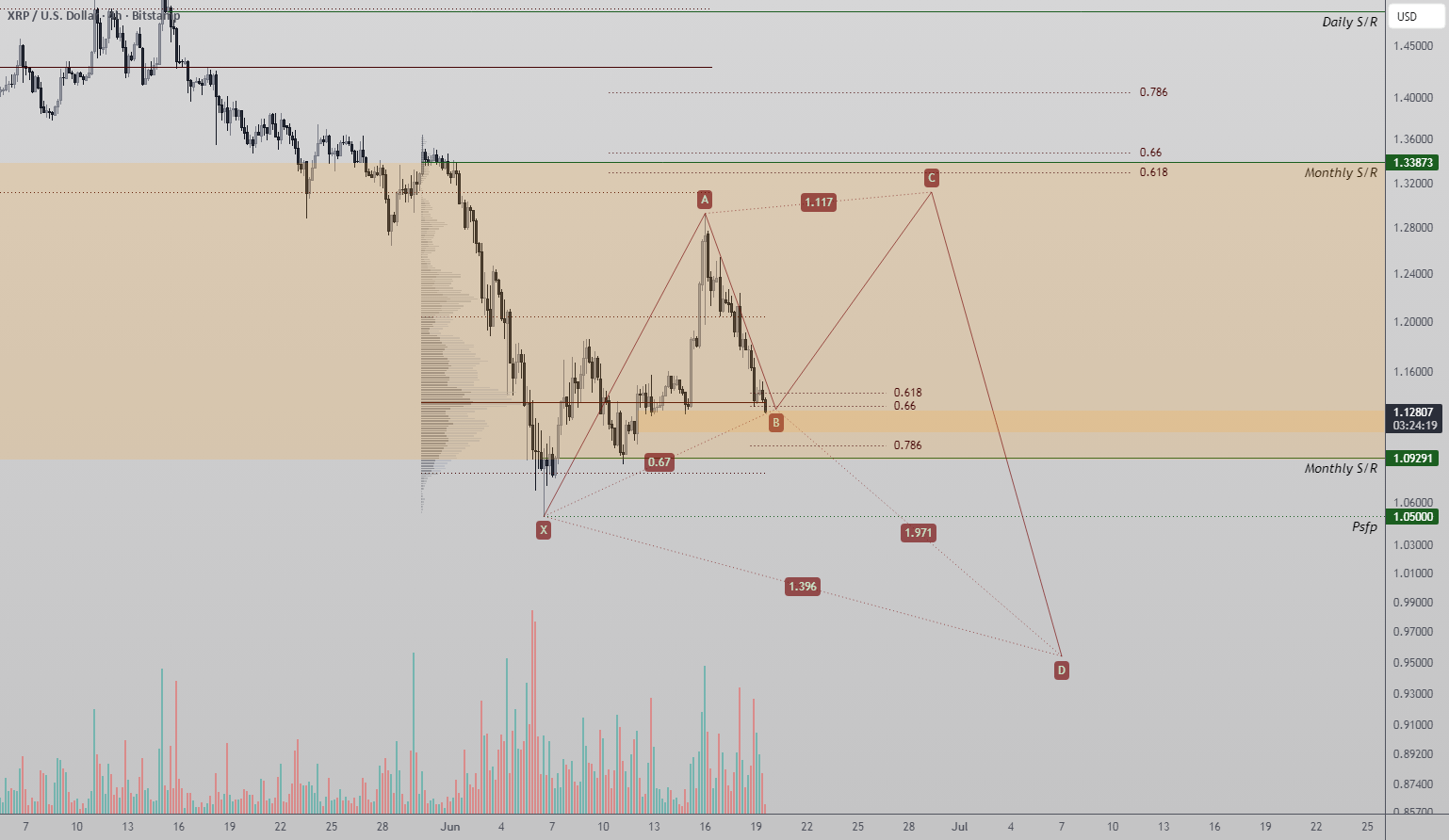
XRP Reversal Setup Forms Around Harmonic Pattern And Key Support Zone
A TradingView analyst says XRP is testing a technically important support zone s...