What Is The XLS-66 And What Does It Mean For XRP Holders?
Alex Smith
2 months ago
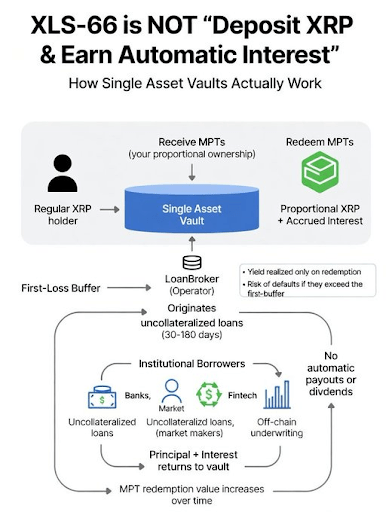
Crypto pundit James has highlighted what the XLS-66 amendment is about and what it would mean for XRP holders in terms of earning yields. This comes as the XRP Ledger validators prepare to vote on the amendment, which will introduce the institutional lending protocol.
How XRP Holders Can Earn Yields Through XLS-66 Amendment
In an X post, James noted that, contrary to what XRP holders may think, the XLS-66 amendment is not just about depositing one’s tokens and collecting interest. Instead, it is a structured, institutional lending protocol in which investors’ yields accrue within the single-asset vault and are realized only when they choose to redeem their deposits.
As such, the XLS-66 amendment won’t give XRP holders automatic payments or dividends. Instead, they receive an MPT token, which represents the altcoin they deposited into the vault. These MPT shares grow in redemption value over time. James noted that the borrowers aren’t retail investors but banks, market makers, fintechs, and payment providers borrowing short-term working capital on neutral rails.
As such, holders are not lending their capital to strangers. Instead, they are participating alongside institutions in the same transparent on-chain pools. He added that the redeem-and-deploy cycle across multiple vaults is how they manage risk and realize periodic income without locking everything up indefinitely.
How The Vaults Operate
Pundit Bodhi had also broken down how the XLS-66 amendment works and how holders can enjoy yields from these single asset vaults. He noted that as borrowers repay their loans, they repay both the principal and the interest. The interest remains in the vault and increases the pool’s total XRP holdings. This causes the redemption value of each MPT to rise over time.
As to how the loans work, he explained that an associated LoanBroker pools the XRP in the vault and makes it available for lending. The LoanBroker originates fixed-term loans lasting between 30 and 180 days. The loans are uncollateralized, meaning borrowers do not post any collateral on-chain. Traditional underwriters are responsible for handling the credit decisions off-chain.
Fig, the co-founder of Squid’s UNL validator, said they will vote yes on the XLS-66 amendment. He noted that a strong characteristic of the lending protocol is that it leaves the difficult aspects, such as credit assessment, off-chain. The XRPL validator added that this is a contemporary approach to DeFi protocol design that is gaining traction.
Fig also mentioned that DeFi protocols have, in the past, tried to create autonomous systems that compute interest rates and handle credit details through smart contracts. However, this process can often be manipulated and is more vulnerable to attacks.
At the time of writing, the XRP price is trading at around $1.46, up over 2% in the last 24 hours, according to data from CoinMarketCap.
Related Articles
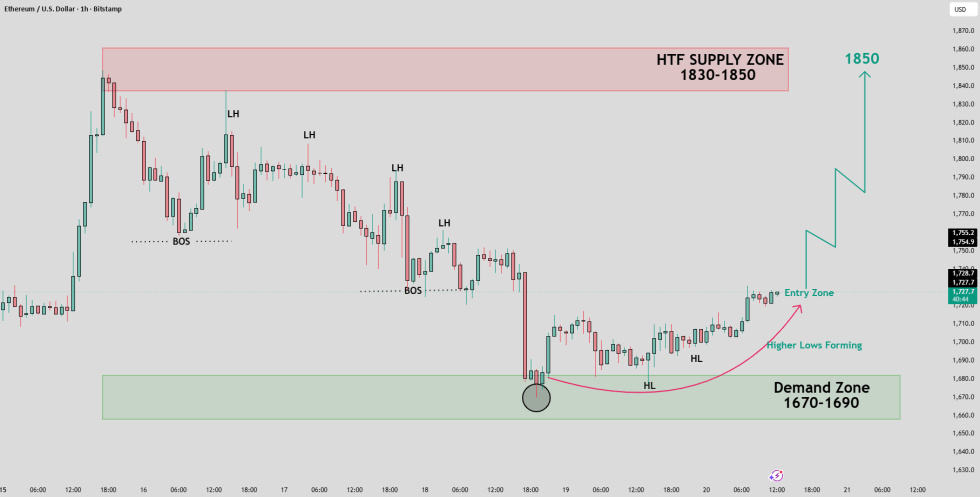
Ethereum Price Setup Targets $1,850 As Buyers Defend Key Demand Zone
A TradingView analyst says Ethereum could target $1,850 if buyers defend the $1,...
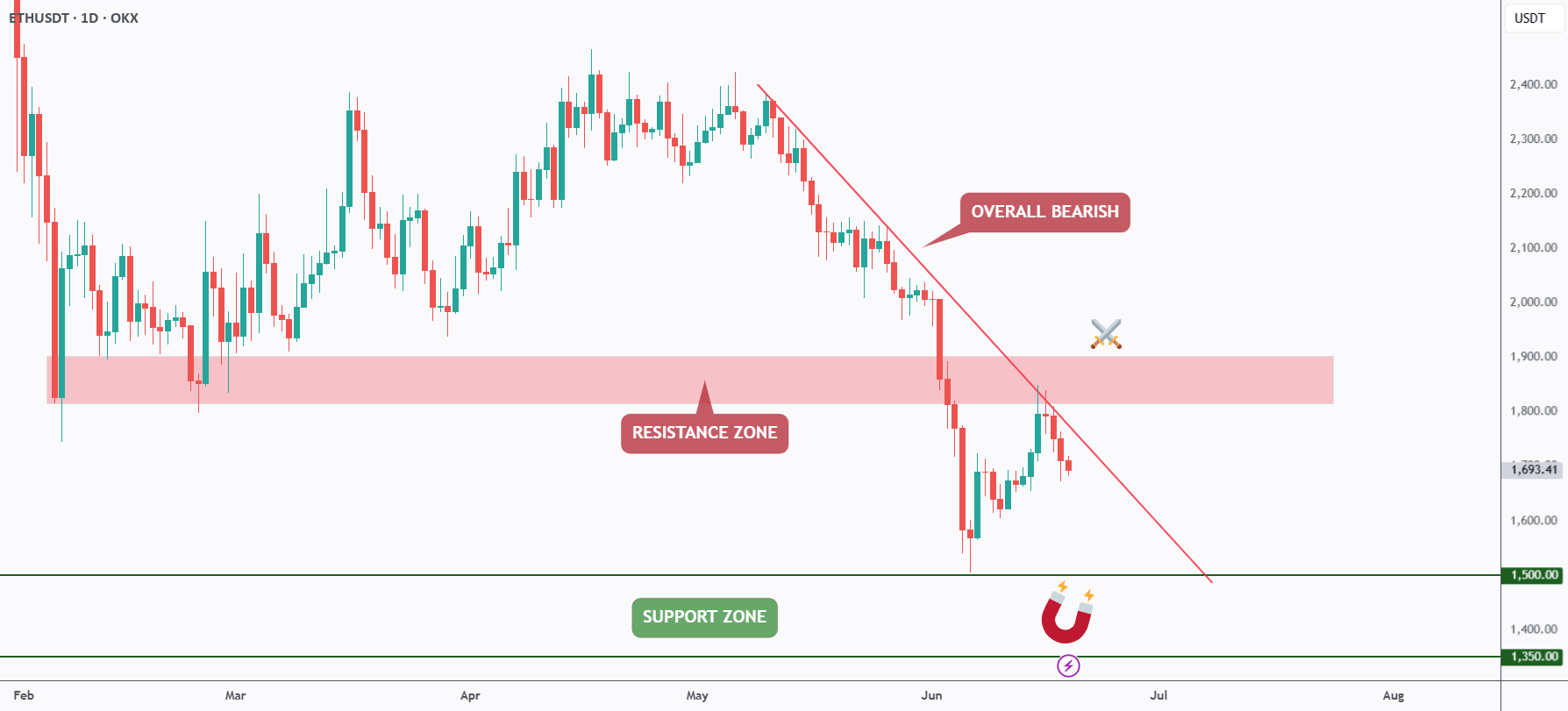
Ethereum Bears Keep Control As ETH Rejects Trendline Resistance
A TradingView analyst says Ethereum remains bearish below a falling trendline, w...
ETH/BTC Ratio Falls Back To Early-2023 Levels As Traders Debate Ethereum Value
An X analyst says ETH/BTC is back near 0.027, while a TradingView chart shows ET...
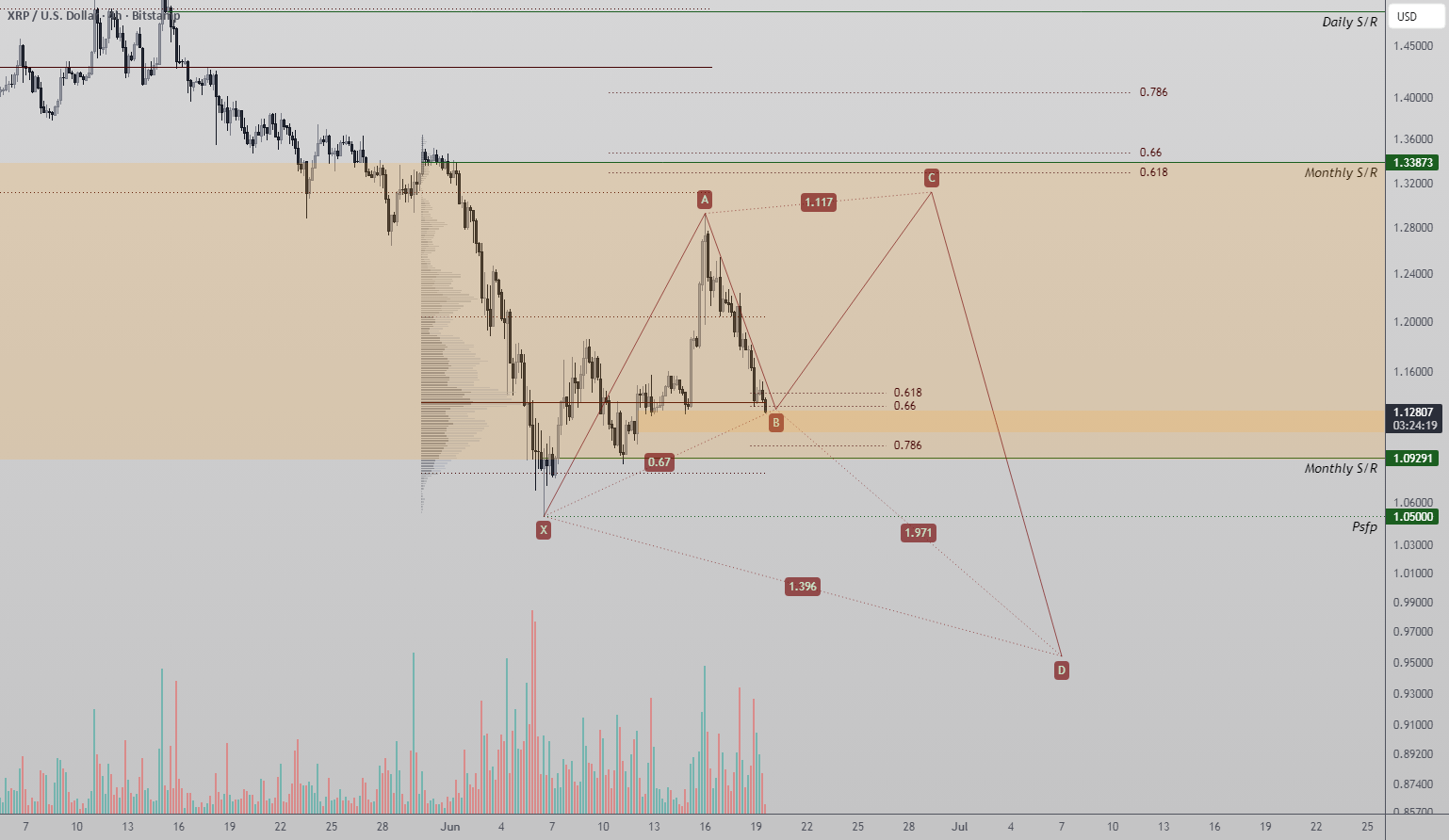
XRP Reversal Setup Forms Around Harmonic Pattern And Key Support Zone
A TradingView analyst says XRP is testing a technically important support zone s...