What The Clarity Act Means For Ripple And XRP Once Done
Alex Smith
6 months ago
Although the anticipated crypto market structure bill, also known as the CLARITY Act, has not yet been passed into law, its proposed framework is already influencing conversations around how major cryptocurrencies could be classified and regulated in the future.
The implications could be particularly significant for Ripple and XRP, as the Act introduces interesting standards that could determine whether a digital asset is treated as a security or a commodity under US law.
Reality Check Under The Clarity Act
US lawmakers are moving closer to finalizing digital asset legislation, and attention across the crypto market is increasingly turning toward the Digital Asset Market Clarity Act, commonly known as the CLARITY Act.
At the heart of the CLARITY Act is an effort to replace interpretations of decentralization with clear criteria. One of those criteria is a supply concentration threshold, which states that no single entity or coordinated group should control 20% or more of a blockchain’s native asset supply for the network to qualify as mature.
A recent post on X by an XRP community member known as Arthur has brought focus to this issue. Arthur highlighted the proposed 20% ownership threshold embedded in the CLARITY Act’s definition of a mature blockchain, noting that Ripple’s compliance with this benchmark could push XRP firmly toward commodity status and is the only path to global adoption.
However, this provision directly intersects with Ripple’s escrow holdings. The payment currently controls about 40% of the total XRP supply through escrow mechanisms. This has long been a focal point in debates over decentralization and how much control Ripple has over XRP’s supply.
What This Means For Ripple And XRP
Under the CLARITY Act’s framework, reducing escrow control below the 20% threshold would help demonstrate that XRP no longer depends on a single issuer’s dominance. That would back up the claim that XRP functions as a decentralized digital commodity rather than a security tied to Ripple’s corporate actions.
In order to comply with the Act, Ripple would need to find a way to slash its current XRP holdings by almost 50%. However, if the CLARITY Act is eventually passed in its current form, it does not automatically mean that Ripple would be forced into a direct sale of its XRP holdings, nor does it mandate that its XRP holdings will be handed over to another holder.
What it does introduce is a clear structure. Ripple would need to demonstrate that it does not exercise control over XRP’s circulating or total supply if the cryptocurrency is to qualify as a mature blockchain asset under US law.
How that outcome is achieved would largely be a tactical decision. Therefore, Ripple could pursue several paths to comply with the CLARITY Act without disrupting the price action of XRP.
Ripple releases 1 billion XRP tokens every month. On average, about 70% of these released tokens are always returned back into escrow.
Related Articles
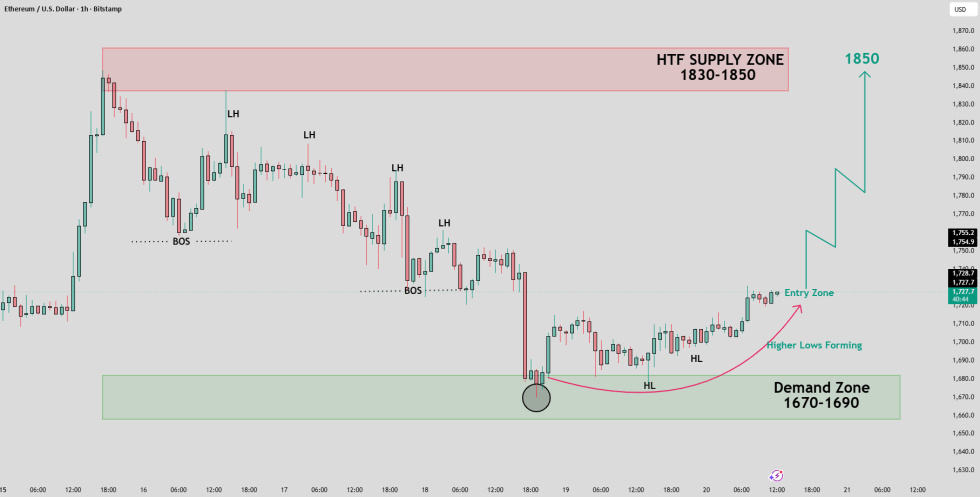
Ethereum Price Setup Targets $1,850 As Buyers Defend Key Demand Zone
A TradingView analyst says Ethereum could target $1,850 if buyers defend the $1,...
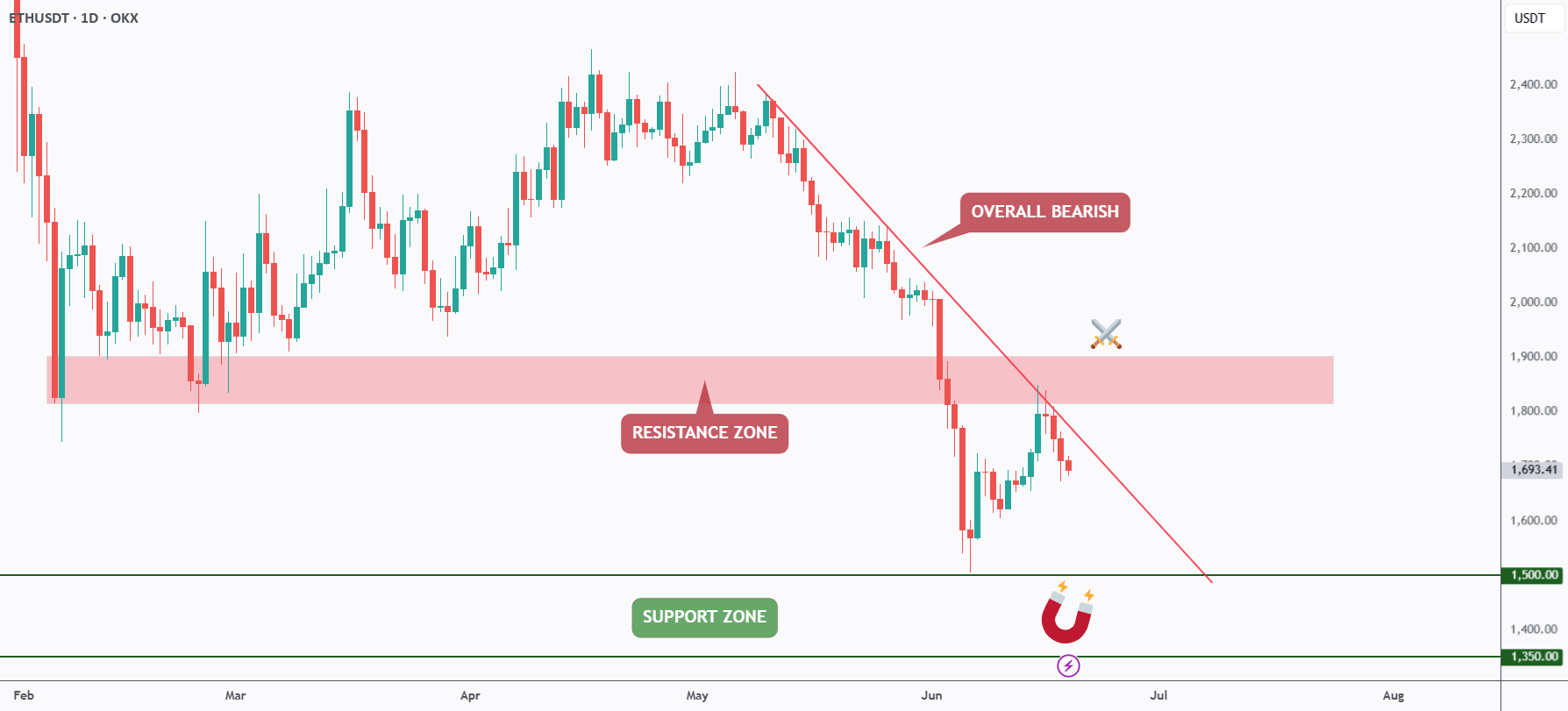
Ethereum Bears Keep Control As ETH Rejects Trendline Resistance
A TradingView analyst says Ethereum remains bearish below a falling trendline, w...
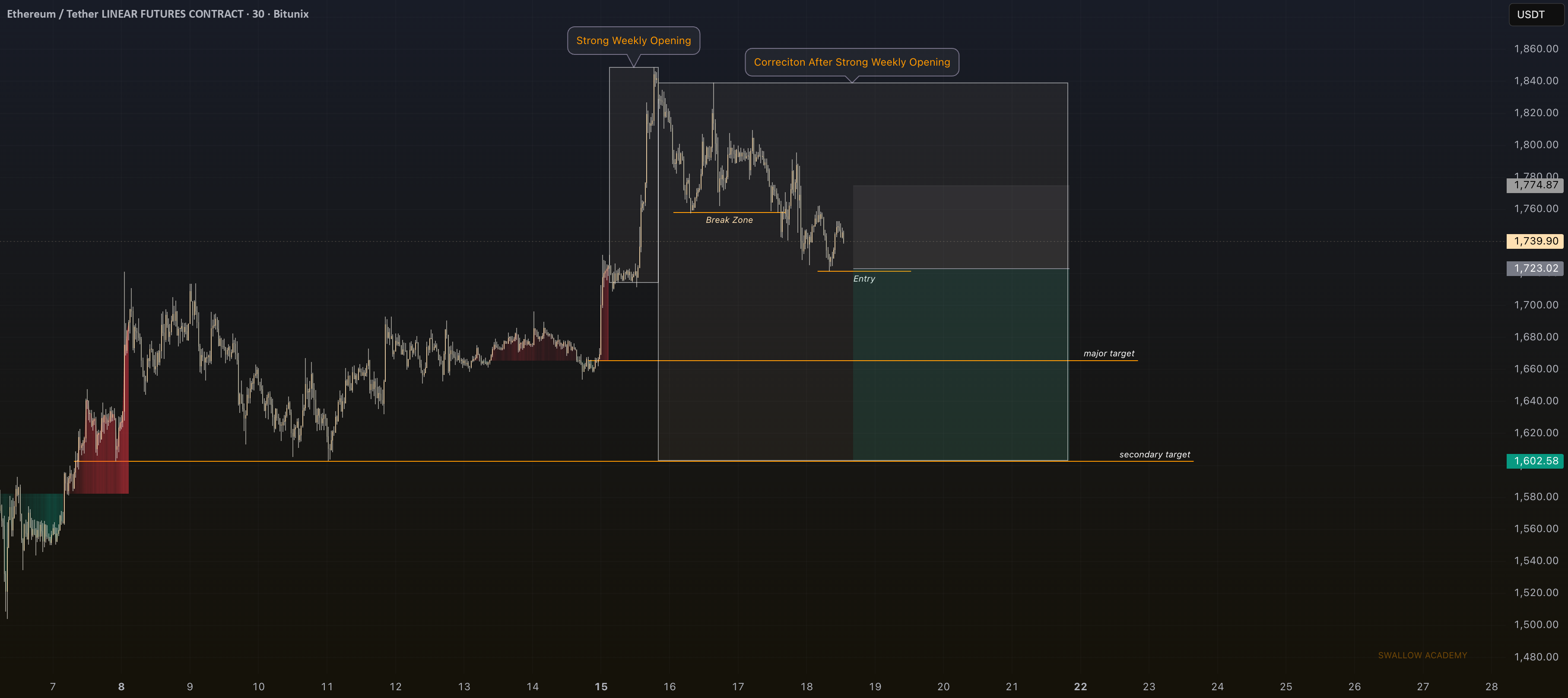
ETH/BTC Ratio Falls Back To Early-2023 Levels As Traders Debate Ethereum Value
An X analyst says ETH/BTC is back near 0.027, while a TradingView chart shows ET...
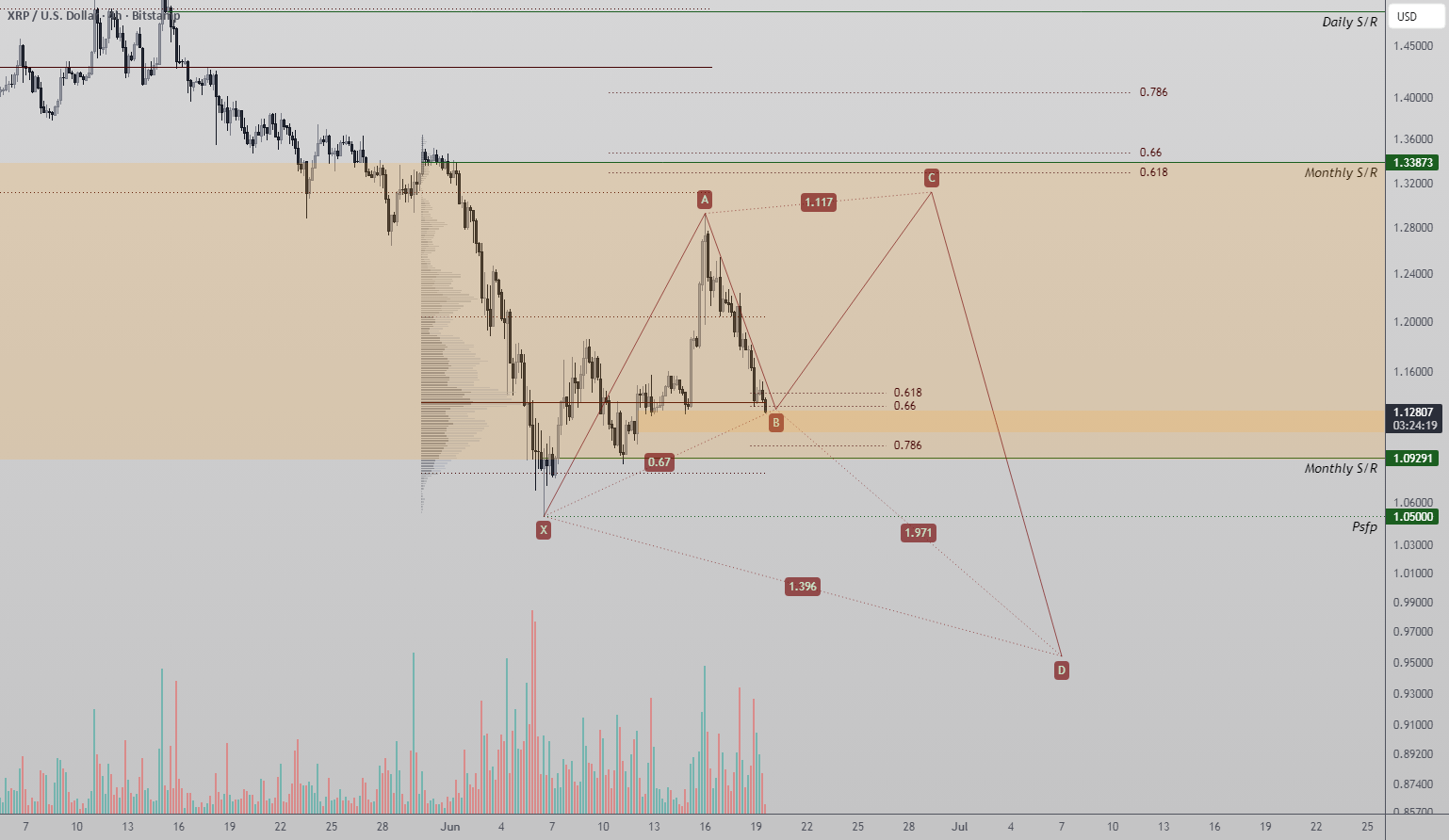
XRP Reversal Setup Forms Around Harmonic Pattern And Key Support Zone
A TradingView analyst says XRP is testing a technically important support zone s...