Why Gold and Silver Prices Are Rising Again After Recent Correction?
Alex Smith
1 month ago
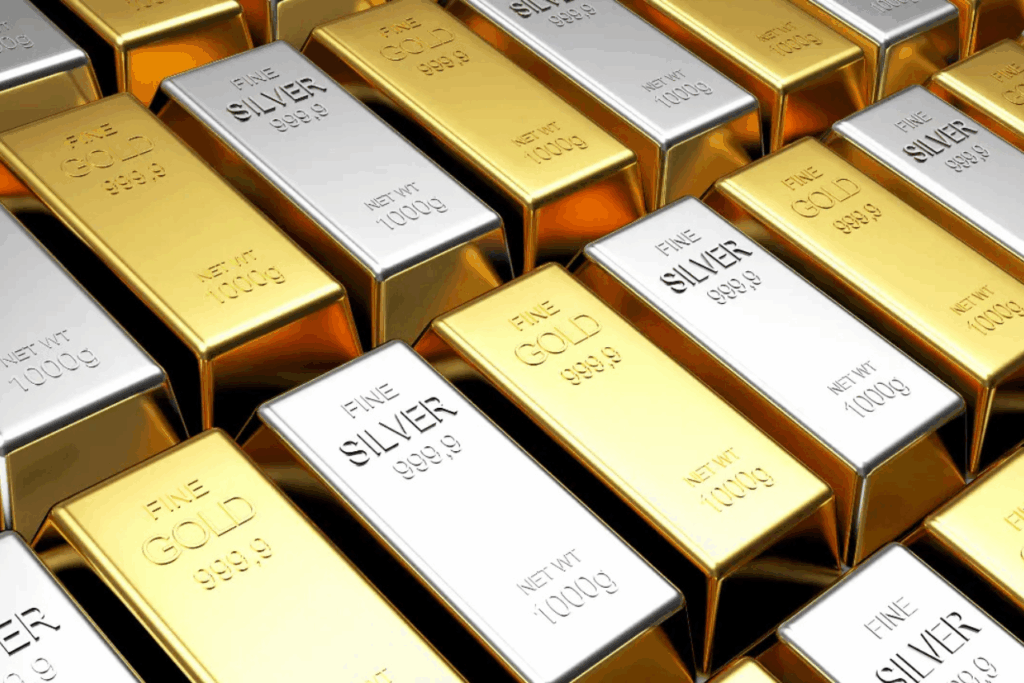
Synopsis:-A weaker US dollar, cooling crude oil prices, and growing optimism over a US-Iran peace framework converged on May 25, 2026 to lift spot gold 1.4 percent to Rs.4,35,420 per ounce and send silver surging 3.9 percent to Rs.7,470 per ounce even as domestic Indian prices digested a policy shock from a sudden May 14 import duty hike on precious metals from 6 to 15 percent that had briefly sent silver to Rs.3,100 per 10 grams before a sharp correction back to Rs.2,850.
Global precious metals markets snapped back sharply in the session of May 25, with both gold and silver gaining up to 2 to 4 percent as macro tailwinds aligned in bullion’s favour. The same geopolitical catalyst driving Asian currency markets optimism around a US-Iran memorandum of understanding and the prospect of a Strait of Hormuz reopening softened US Treasury yields, weakened the dollar, and cooled crude oil prices, triggering a broad rotation of institutional capital back into precious metals.
Retail gold in India was trading at approximately Rs.15,905 per gram for 24-karat purity, or roughly Rs.1,59,050 per 10 grams. Domestic silver was holding steady at Rs.2,85,000 per kilogram.
Spot gold climbed 1.4 percent to settle around Rs.4,35,420 per ounce, with June futures trading at Rs.4,35,612. Silver’s move was sharper, a 3.9 percent surge to Rs.7,470 per ounce, reflecting the metal’s dual identity as both a safe-haven asset and an industrial commodity. A softer dollar makes dollar-denominated commodities cheaper for overseas buyers, providing structural support to both metals on days when the greenback retreats.
The rally, while meaningful in isolation, needs to be placed against the year’s broader arc. Gold hit a psychological peak of Rs.5,32,133 per ounce on January 29, 2026 a level that now looks increasingly distant. The metal has corrected substantially from that high, and institutional analysts describe the current zone as a transition from correction to accumulation. On domestic exchanges, near-term resistance for gold is clustered around Rs.1,54,700 to Rs.1,56,500 on the MCX.
Silver’s story is similarly bifurcated. The metal touched Rs.11,602 per ounce in late January before pulling back sharply. Year-to-date, it is up approximately 7 percent a respectable gain, but one that obscures significant intra-year volatility. At Rs.7,470, the gold-to-silver ratio stands at roughly 63:1, a level that many institutional strategists historically associate with silver being undervalued relative to gold.
India’s Tariff Shock
Domestic precious metals markets are dealing with an additional variable that global spot prices do not reflect: a sudden import duty revision. On May 14, the Indian government hiked the import duty on precious metals from 6 percent to 15 percent, a 900 basis point jump that caught the market off-guard. The immediate reaction was a spike in domestic silver to Rs.3,100 per 10 grams, before a post-tariff correction brought prices back to the current Rs.2,850 baseline. The higher duty raises the structural floor for domestic gold and silver prices, even when global spot prices soften, and represents a meaningful shift in the landed cost economics for importers and jewellers.
The Structural Case for Each Metal
Gold’s longer-term bid is being sustained by central bank behaviour. Sovereign institutions globally have been actively reducing US Treasury holdings and replacing them with gold reserves, a diversification trend that has provided a persistent demand floor beneath spot prices regardless of short-term macroeconomic swings. This structural central bank buying has been one of the defining features of gold markets since 2022, and shows no sign of abating.
Silver faces a different structural dynamic: it is entering what is now its sixth consecutive year of a global supply deficit. Industrial demand driven by solar panel manufacturing, electric vehicles, and AI data centre cooling infrastructure is inelastic and growing faster than mining supply can respond. BlackRock and other institutional research notes describe silver as a higher risk reaction to macro inflation plays, meaning it tends to outperform gold in risk-on environments and underperform in sharp risk-off episodes.
Outlook
Near-term volatility in both metals remains squarely tied to three variables: the trajectory of US-Iran negotiations and their effect on the dollar and oil complex; central bank communication from the Federal Reserve on the rate path; and domestic Indian policy developments following the import duty revision. A deal collapse in the Strait of Hormuz would likely support gold’s safe-haven bid while punishing silver’s industrial component.
Disclaimer: The views and investment tips expressed by investment experts/broking houses/rating agencies on tradebrains.in are their own, and not that of the website or its management. Investing in equities poses a risk of financial losses. Investors must therefore exercise due caution while investing or trading in stocks. Trade Brains Technologies Private Limited or the author are not liable for any losses caused as a result of the decision based on this article. Please consult your investment advisor before investing.
The post Why Gold and Silver Prices Are Rising Again After Recent Correction? appeared first on Trade Brains.
Related Articles

5 Stocks to Watch as India’s Digital Payments Boom Creates Opportunities Beyond Fintech
Synopsis: Behind India’s UPI success story sits a quieter network of enabl...

Mazagon Dock Receives ‘Sell’ Rating From Kotak Securities; Should Investors Worry?
Synopsis:- Kotak Institutional Equities has initiated coverage on Mazagon Dock S...

Viviana Power: Can Transformer, BESS, and EPC Expansion Drive the Next Phase of Growth?
Synopsis: A power transmission and distribution EPC company has grown revenue 16...

Fundamentally Strong Stock Trading at 45% Discount with ₹2,800 Cr Order Book and 420% PAT Growth
Synopsis: A renewable energy company has posted triple-digit profit growth and b...