Why Rising Japanese Bond Yields Are Becoming Bitcoin’s Hidden Macro Driver
Alex Smith
2 months ago

In a recent QuickTake post on CryptoQuant, XWIN Research Japan explains how the rising Japanese bond yields are currently affecting Bitcoin’s price action.
Japanese Gov’t Bonds Face Downturn Amid Macroeconomic Pressures
According to XWIN Research Japan, yields on Japanese Government Bonds (JGBs) have been rising amid persistent inflationary pressures, expectations of policy normalization, and rising concerns over fiscal expansion. In response, there has been a corresponding fall in bond prices, indicating that Japan’s domestic institutions, e.g., banks, are simultaneously holding through heavy unrealized losses.
With approximately ¥390 trillion (approximately $2.6 trillion USD) currently invested in JGBs, even a modest 1% increase in yields could push tens of trillions of yen worth of holdings into negative territory, amplifying financial strain across the system.
Expectedly, this scenario has exerted significant pressure on institutional investors, forcing adjustments on their balance sheets. According to the crypto research group, risk assets, including Bitcoin, are the easy targets of this “rebalancing” activity. Considering that Japan maintains a large external investment portfolio, any liquidity withdrawal exhibits a signal effect on the market.
Therefore, this chain of rising yields, which leads eventually to liquidity contraction, often affects Bitcoin directly. Notably, historical patterns have suggested that low-rate environments often support price growth or expansions, while increasing rates typically impede the flagship cryptocurrency’s growth.
Stablecoin Supply Surges Toward Record Levels
Furthermore, XWIN Research Japan cites the All Stablecoins (ER20): Total Supply metric to report a significant growth in the available stablecoin supply. According to research analysts, this suggests that there is actually capital waiting on the sidelines. However, this available liquidity is clearly not being introduced into risk markets.
Hence, it becomes apparent that Bitcoin is currently within a classic environment where liquidity exists, but is yet to be deployed. Interestingly, exchange flows also reveal that about $9.6 billion left the Bitcoin market in early 2026, with capital evidently rotating into stablecoins. These two conditions also contribute to weakened demand, as rising rates already cause demand to taper.
Therefore, until macroeconomic conditions improve, the Bitcoin price might continue to struggle in the long-term, as institutional demand might even then become weaker. As of this writing, Bitcoin is valued at $67,391, reflecting a positive daily shift of 0.76%. On larger time frames, the premier cryptocurrency reports a weekly gain of 1.34% and a monthly loss of 5.47%. With a market cap of $1.34 trillion, Bitcoin remains the world’s 13th largest asset and largest digital asset.
Related Articles
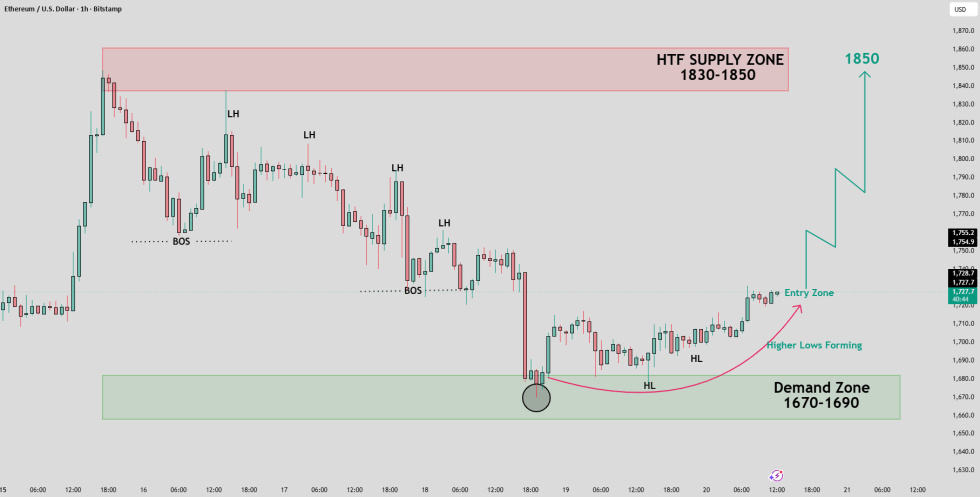
Ethereum Price Setup Targets $1,850 As Buyers Defend Key Demand Zone
A TradingView analyst says Ethereum could target $1,850 if buyers defend the $1,...
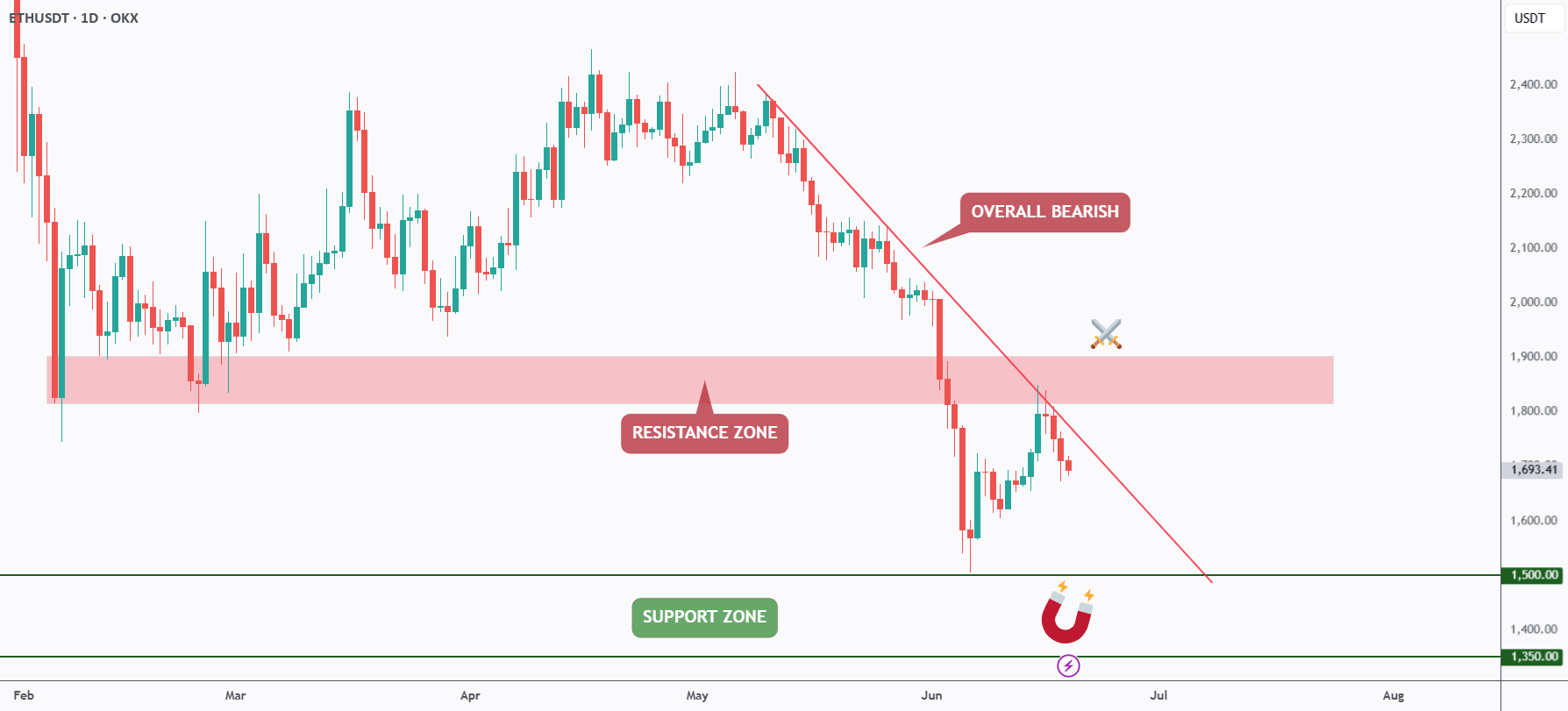
Ethereum Bears Keep Control As ETH Rejects Trendline Resistance
A TradingView analyst says Ethereum remains bearish below a falling trendline, w...
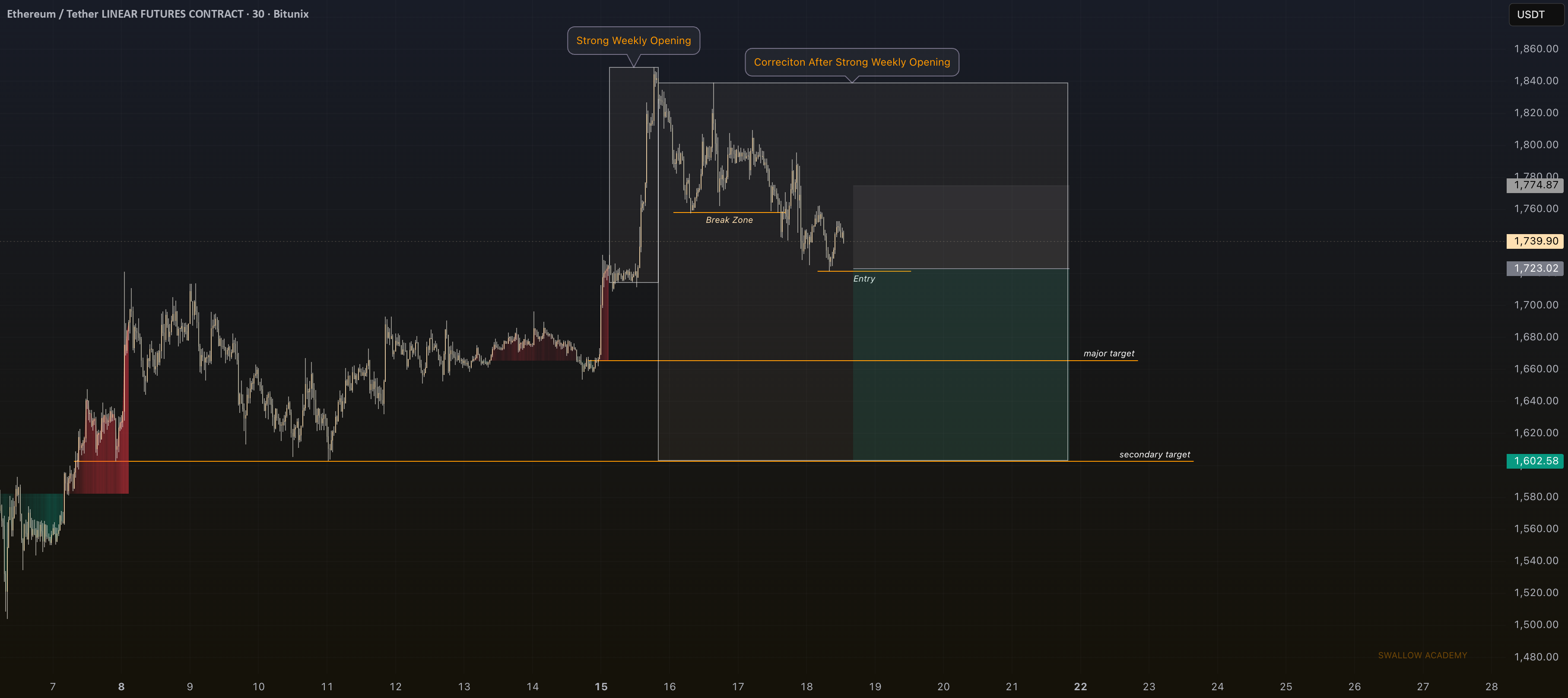
ETH/BTC Ratio Falls Back To Early-2023 Levels As Traders Debate Ethereum Value
An X analyst says ETH/BTC is back near 0.027, while a TradingView chart shows ET...
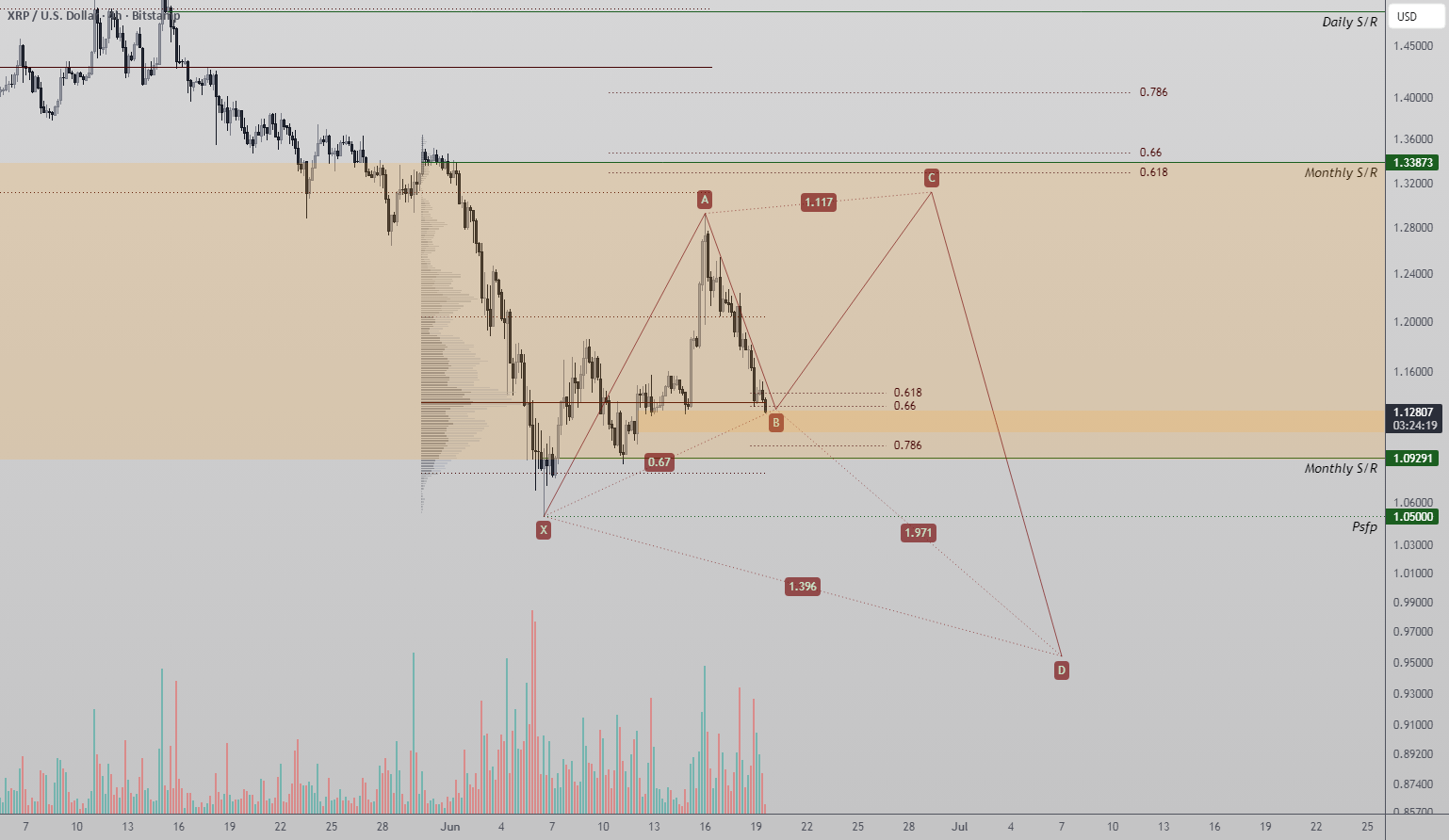
XRP Reversal Setup Forms Around Harmonic Pattern And Key Support Zone
A TradingView analyst says XRP is testing a technically important support zone s...