Crypto Extortion Hits Strait Of Hormuz As Scammers Exploit Shipping Crisis
Alex Smith
3 hours ago

At least one vessel that came under fire while trying to leave the Strait of Hormuz may have been acting on fraudulent instructions — directions that came not from Iranian officials, but from criminals posing as them.
Maritime risk firm Marisks flagged the possibility in a warning issued Monday, though it stopped short of confirming the link.
The warning describes a scam targeting ship owners whose vessels are stuck west of the strait. Unknown groups have been sending messages to these companies, claiming to represent Iranian security services and offering safe passage in exchange for transit fees paid in Bitcoin or Tether (USDT).
Fake Officials, Real Consequences
Marisks was direct: the messages are fraudulent. They do not come from Iranian authorities, the firm said.
Tehran has not publicly addressed the situation.
The scam follows a pattern designed to look credible. Recipients are told to submit documents for review. Once verified, they are assigned a fee in cryptocurrency. Pay it, the messages say, and safe transit will be arranged at an agreed time.
It is a structured process — one built to look official enough that desperate ship owners might believe it.
The timing is no accident. The Strait of Hormuz has been largely closed since conflict escalated in the Middle East. Before hostilities, the waterway carried roughly 20% of the world’s oil and liquefied natural gas.
Ships have been stranded for days, some under threat of armed intervention. That pressure creates exactly the kind of desperation scammers rely on.
Reports earlier this month indicated that Iran itself had been weighing a real Bitcoin-denominated toll on vessels passing through the strait — charging around $1 per barrel for loaded tankers while letting empty ships through free.
The scam appears to have grown directly out of that reporting, borrowing its credibility from a policy that was already in the news.
Sanctions Risk Adds To The Danger
For shipping companies tempted to pay, the financial and legal exposure goes beyond losing money to criminals.
According to Chainalysis senior intelligence analyst Kaitlin Martin, any cryptocurrency transfer tied to Iranian-controlled waterways could be classified as material support — a designation that puts companies in potential violation of US and international sanctions.
Entities linked to the Islamic Revolutionary Guard Corps fall under some of the strictest sanctions in force.
That means victims of the scam could face legal scrutiny even after being defrauded. Paying what appears to be a ransom to free a stranded vessel could trigger the same sanctions mechanisms designed to punish deliberate violators.
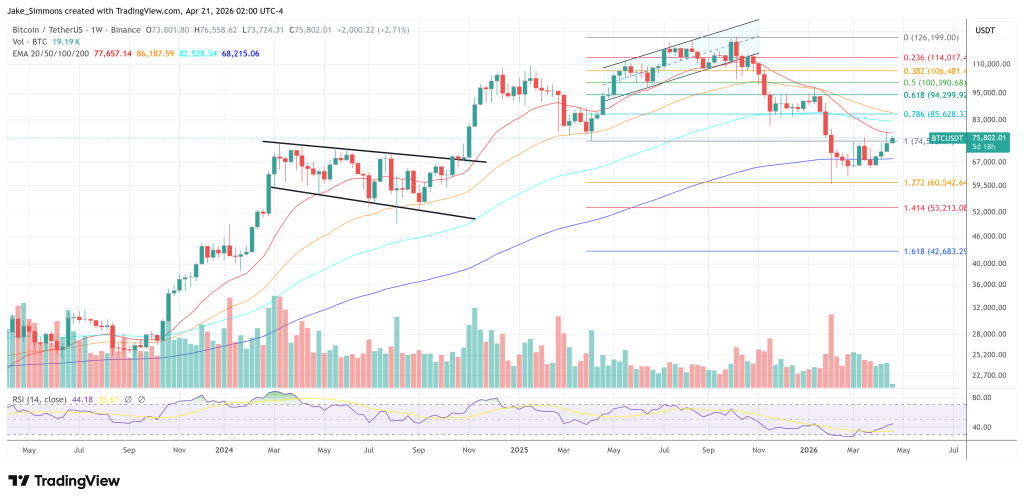
Featured image from Unsplash, chart from TradingView
Related Articles
New York AG Sues Coinbase, Gemini Over Alleged State Law Violations
In a case that stands out in today’s pro-crypto climate in the US, New York Atto...
A Collection Of Ripple Developments That Suggests XRP Is A Solid Buy
A crypto expert has outlined a long list of developments and achievements that s...
MIT Researcher Proposes New Path To Make Bitcoin Quantum-Safe
MIT Digital Currency Initiative director Neha Narula has laid out a proposed roa...
Zachxbt Identifies Other Cryptos Like RAVE With The Same Trajectory, What Do They Have In Common?
Over the last two weeks, RaveDao (RAVE) burst into the crypto scene in a rapid p...