Fiem Industries: How Is It Benefiting from TVS iQube, Honda Activa EV and Hero’s New EV Platforms?
Alex Smith
2 hours ago
Synopsis: Fiem Industries is positioning itself to benefit from India’s growing EV ecosystem through participation in platforms such as TVS iQube, Honda Activa EV, Hero’s upcoming EV models, and Royal Enfield’s EV initiatives. Alongside rising LED adoption, technology investments, and a Rs 700 crore RFQ pipeline, the company is building multiple growth drivers for the future.
The electric two-wheeler market in India is slowly evolving from being an emerging category to a category where the automotive component makers see opportunities for growth. While the focus often lies on the vehicle maker, the component makers making essential parts for the platform can also stand to gain as EV adoption gains traction.
The company which seems to be doing well out of these trends includes Fiem Industries, which is one of the premier automotive lighting companies. In the FY26 earnings conference call, the management emphasized their presence in some of the key electric vehicle platforms, including TVS iQube, Honda Activa EV, Hero’s upcoming EV platform, and the EV projects of Royal Enfield.
With a market cap of Rs 5,800 crore, the shares of Fiem Industries Ltd are trading at Rs 2,222 and are trading at a PE of 23 compared to their industry’s PE of 28. The shares have given a return of more than 500% in the last 5 years.
TVS iQube Remains an Important Platform
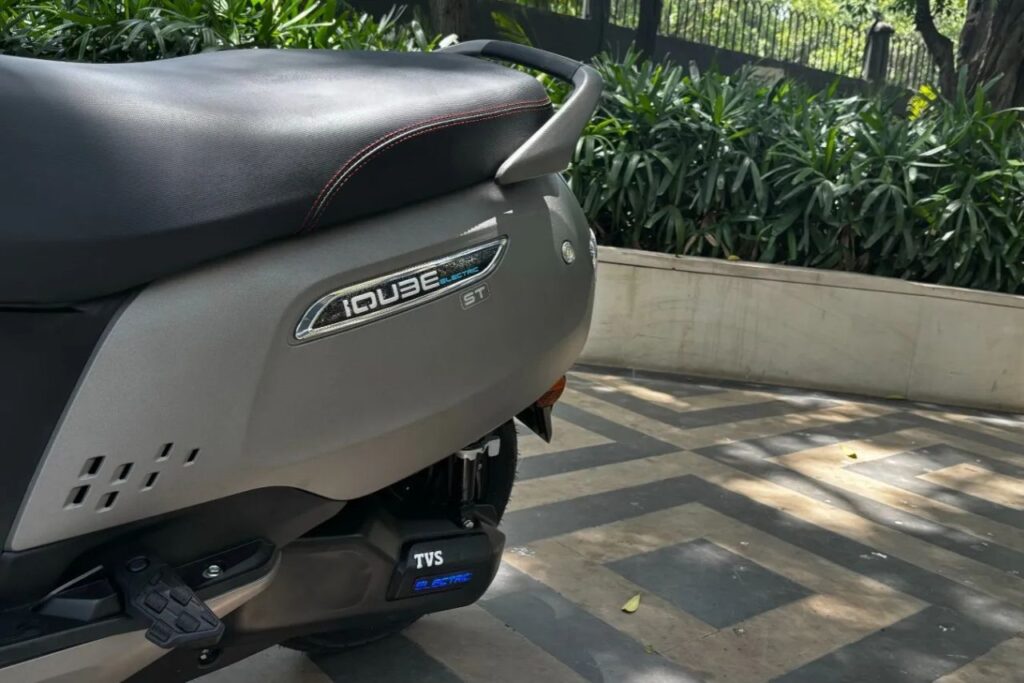
TVS iQube is another EV opportunity mentioned by management. The firm currently supplies the lighting system for the electric scooter and continues to enjoy the benefits provided by the development of the platform.
While management pointed out that the cooperation between Fiem and TVS goes beyond electric vehicles and includes other models such as Jupiter scooters, mopeds, and motorcycles, the continued success of the iQube creates additional growth opportunities due to increased penetration of the electric vehicles.
The significance of such programmes goes beyond current volumes. The successful delivery of services for a major EV platform allows strengthening relationships with suppliers and improving the company’s position in terms of future vehicles’ introduction.
With manufacturers increasing their electric portfolios, the suppliers with experience in working with EV platforms have more chances to obtain contracts in the future. For Fiem, continued supply of the TVS flagship EV platform proves its ability to satisfy the requirements of the electric vehicle manufacturers.
Honda Activa EV Adds Another Growth Lever
An additional notable piece of information presented on the call included the involvement of the company with Honda’s projects in regard to electric vehicles. The launch of electric scooters by Honda through the Activa EV platform is a crucial event for the industry in view of the brand equity and strong market presence of Activa vehicles.
It was emphasized that the company has gained access to some projects connected with the electric Honda platform; therefore, the company will get exposure to what may become the largest program in electric scooters in India.
The importance of the project does not come solely from the prospect of volume growth but also due to the fact that EVs use more advanced lighting solutions, which allow suppliers to achieve higher realisations in comparison with conventional lighting solutions. This project emphasises the strategy of cooperation with OEMs and future participation in electric vehicle launches.
Hero’s New EV Platform Strengthens Visibility
Hero continues to be one of the biggest two-wheeler producers in India, and management has mentioned that approvals with respect to the upcoming EV platform from Hero have been received by the company. The significance of the event comes from the fact that any new EV platform usually features modern lighting architecture and design.
As the competition grows in the electric vehicle segment and manufacturers try to create a difference in the product, lighting becomes an integral part of vehicle design. Unique lighting signatures, visibility, and premium aesthetics influence customers’ choices.
Thus, involvement in Hero’s future EV platform becomes another chance for Fiem to increase its footprint in the growing market segment. Such programmes are seen by management as a part of the general trend of technological advances in the automobile industry, where lighting technology plays an important role.
Royal Enfield’s EV Plans Expand the Opportunity
Apart from the scooters, there were other potential opportunities for management related to the EV initiatives of Royal Enfield. Even though the market for electric motorcycles is not quite mature compared to that of electric scooters, this is still a lucrative segment due to its premium nature.
In general, premium motorcycles have better equipped lighting systems and parts. As part of developing its strategy related to electric motorcycles, the suppliers working in these programmes might enjoy more value per vehicle and better realisations.
Being involved with different manufacturers helps diversify risks and avoid the dependency on just one client or vehicle type. Working with TVS, Honda, Hero, and Royal Enfield, Fiem managed to cover a number of different electric mobility projects in India.
LED Lighting Is the Real Beneficiary
However, while discussions about electric vehicles usually focus on their batteries and powertrains, it has been pointed out that one of the key beneficiaries for Fiem would be the growing popularity of LED lighting systems.
As stated by the management, LED lighting currently accounts for about 63% of revenues from automotive lighting. Even more importantly, all future sales will essentially be based on LED technology. Such an approach is quite valuable, since LED systems are more expensive than traditional lighting systems.
Electric vehicles use advanced LED lighting systems, such as daytime running lights, signature lighting elements, high-end indicators, and innovative rear lights. Hence, the rise of electric vehicles would also help to boost sales of high-end products.
According to the management, LED systems are significantly more valuable than conventional lighting systems. As a consequence, there could be significant opportunities created via high content, even if there was no volume effect from the penetration of EVs.
Technology Investments Support Future Growth
In order to further solidify its standing in next-generation vehicle projects, the firm will continue investing in technology and new product developments. The management pointed out investments in testing facilities, in particular, those related to EMI and EMC validation. Testing facilities have become crucial due to the increased electronics and software components of contemporary vehicles.
The firm is developing advanced lighting technologies, ambient lighting systems, and other innovations associated with next-generation products. These efforts are consistent with trends in the automotive industry, where lighting becomes not only a functional but also design-related technology component.
According to the management, about 2% of sales go to research and development expenses. This is reflective of the need for constant innovation in order to remain competitive in the lighting industry.
Since the electric vehicle market is becoming increasingly sophisticated, the technological demands for suppliers are likely to increase in the future. Consequently, engineering capabilities and investment in the validation infrastructure can improve the firm’s opportunities to become a participant in future vehicle programmes.
Beyond EVs: A Larger Growth Story
Even though electric vehicles had gotten a lot of traction in the conference call, it was clear from management that the growth plan of the company involves much more than just embracing electric vehicles. The expansion of its four-wheeler business will be one of the key areas. The company expects its revenues from four-wheelers to grow significantly in the coming years.
In addition to that, the management highlighted the fact that it has a ₹700 crore RFQ pipeline, most of which has already moved into the development phase. This pipeline encompasses opportunities in both traditional vehicles and electric vehicles.
Thus, the thesis of investment includes several catalysts. First of all, electric vehicle adoption leads to demand for advanced lighting systems and increased content per vehicle. In addition to that, LED penetration keeps improving in the industry. Four-wheeler expansion provides an opportunity to tap a bigger addressable market. Technology investments make it a stronger competitor.
For investors, the key takeaway from the conference call is that Fiem is not merely participating in India’s EV transition. Instead, it is leveraging EV adoption, LED penetration, premiumisation trends, and customer diversification to position itself for the next phase of growth.
As platforms such as TVS iQube, Honda Activa EV, Hero’s upcoming electric vehicles, and Royal Enfield’s EV initiatives gain traction, the company appears well placed to benefit from the evolving dynamics of the automotive industry.
Disclaimer: The views and investment tips expressed by investment experts/broking houses/rating agencies on tradebrains.in are their own, and not that of the website or its management. Investing in equities poses a risk of financial losses. Investors must therefore exercise due caution while investing or trading in stocks. Trade Brains Technologies Private Limited or the author are not liable for any losses caused as a result of the decision based on this article. Please consult your investment advisor before investing.
The post Fiem Industries: How Is It Benefiting from TVS iQube, Honda Activa EV and Hero’s New EV Platforms? appeared first on Trade Brains.
Related Articles

Amagi Media Labs Stock: Can AI Become the Key to Doubling Its Margins?
Synopsis: Amagi remains positive on growth prospects, backed by AI investments,...

Tata Motors: Can Its Plan to Double PV Volumes and Reach 20% Market Share Drive Growth?
Synopsis: Tata Motors targets strong PV growth with EV-led expansion, aiming to...

Infosys at ₹1,000 or TCS at ₹2,000: Which Stock Is Better Positioned for Growth?
Synopsis: Infosys and TCS are two leading IT giants benefiting from AI, cloud, a...

Pharma Stock Jumps After Securing ₹515 Cr Contracts from Malaysia’s Ministry of Health
Synopsis: Biocon strengthened its Malaysia presence after partner Duopharma secu...