Gas Crisis: How the Govt. Is Managing LPG, PNG, and CNG Supply Amid Global Tensions
Alex Smith
3 hours ago
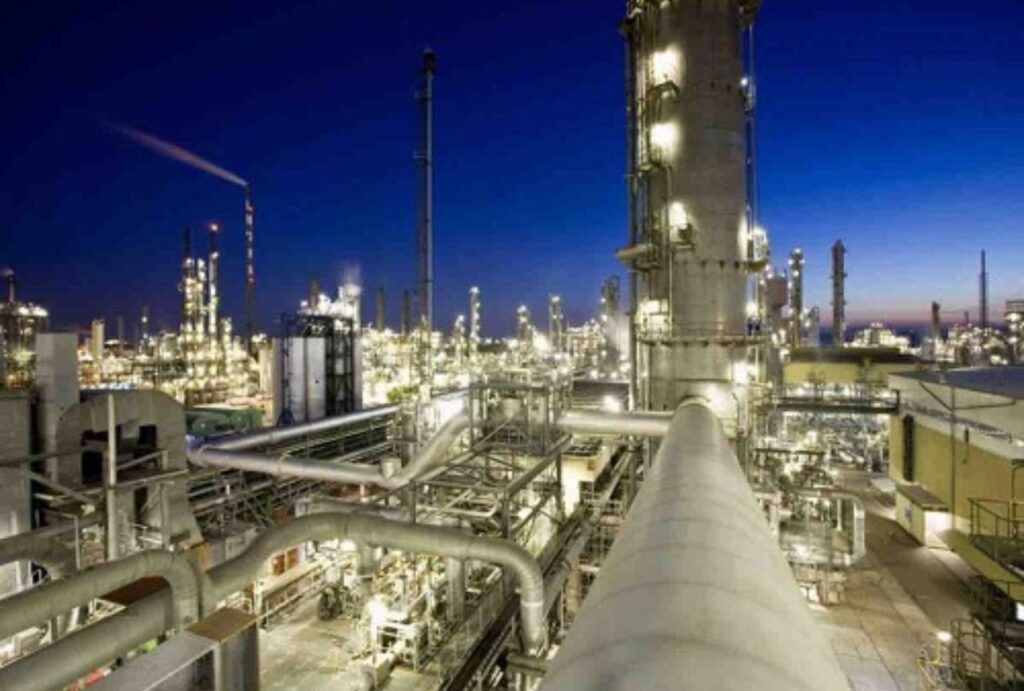
Synopsis : India invoked the Natural Gas (Supply Regulation) Order, 2026 under the Essential Commodities Act, 1955, ensuring 100% PNG, CNG, LPG supply to households while cutting gas for industries: fertiliser 70%, refineries/power 65%, manufacturing 80%.
India is currently facing a temporary natural gas shortage after disruptions in global LNG shipments linked to geopolitical tensions in the Middle East. A key global energy route, the Strait of Hormuz, has come under pressure due to the ongoing conflict, affecting energy shipments across the world.
As several international suppliers invoked force majeure clauses and halted deliveries, India experienced supply disruptions, prompting the government to introduce emergency measures to ensure that essential sectors and households continue to receive an uninterrupted fuel supply.
Government Issues Natural Gas Regulation Order
To manage the supply crunch, the government issued the Natural Gas (Supply Regulation) Order, 2026 under the Essential Commodities Act, 1955. The order overrides existing Gas Sale Agreements and commercial arrangements, allowing the government to prioritise gas allocation based on national needs during the crisis.
State-run GAIL has been tasked with implementing the supply allocation mechanism, while pricing for pooled gas supply will be determined by the Petroleum Planning and Analysis Cell.
Household Fuel Supply Given Top Priority
The government has placed household energy consumption at the top of its priority list to prevent disruption to daily life. Domestic Piped Natural Gas (PNG) connections and Compressed Natural Gas (CNG) used in vehicles will continue to receive 100 percent of their average supply based on the past six months consumption.
LPG production units have also been given full gas allocation to ensure cooking gas availability for households. By maintaining full supply to these segments, the government aims to prevent shortages for millions of consumers who depend on these fuels for cooking and transportation.
Sector-Wise Gas Allocation
To balance limited gas availability, the government has implemented a sector-wise allocation framework that reduces supply to certain industrial users while safeguarding essential sectors. Under the new structure, tea industries, manufacturing units, and other industrial consumers will receive around 80 percent of their average gas requirement.
Fertiliser plants, which depend heavily on natural gas as a feedstock for ammonia and urea production, will receive around 70 percent of their normal supply. Meanwhile, oil refineries, petrochemical plants, and power generation units will receive approximately 65 percent of their past six-month average consumption, effectively facing supply cuts of up to 35 percent.
Measures to Ensure Adequate LPG Availability
Alongside gas rationing, the government has introduced several steps to secure LPG availability. Oil refineries have been directed to increase LPG production and channel the additional output toward domestic consumption.
To prevent hoarding and black marketing, authorities have extended the LPG cylinder re-booking period from 21 days to 25 days. Oil marketing companies have also formed a committee comprising three executive directors to monitor LPG distribution, inventory levels, and supply across the country to ensure smooth delivery to households.
Impact on Industries and Businesses
While households are being protected from supply disruptions, several industries are already feeling the impact of reduced gas allocation. Energy-intensive sectors such as ceramics manufacturing, particularly in the Morbi industrial cluster of Gujarat, have begun shutting down some production units or switching to alternative fuels. Restaurants in states like Maharashtra and Karnataka have also reported LPG supply delays, raising concerns about potential operational disruptions if shortages continue.
Energy Supply Situation
Authorities have clarified that petrol and diesel supplies remain stable and prices are unlikely to increase unless crude oil prices rise significantly above $130 per barrel. The government is also exploring additional LPG supply sources from countries including Algeria, Australia, Canada, and Norway to strengthen energy security. Officials have indicated that the gas rationing order will remain in force while the government closely monitors global supply conditions and the evolving geopolitical situation.
Overall, the government’s strategy focuses on protecting household consumption and essential sectors by reallocating limited natural gas supplies, while industries absorb temporary reductions until international LNG shipments stabilise.
Disclaimer: The views and investment tips expressed by investment experts/broking houses/rating agencies on tradebrains.in are their own, and not that of the website or its management. Investing in equities poses a risk of financial losses. Investors must therefore exercise due caution while investing or trading in stocks. Trade Brains Technologies Private Limited or the author are not liable for any losses caused as a result of the decision based on this article. Please consult your investment advisor before investing.
The post Gas Crisis: How the Govt. Is Managing LPG, PNG, and CNG Supply Amid Global Tensions appeared first on Trade Brains.
Related Articles

Raajmarg Infra Investment Trust IPO: From Issue Details to Financials, Here’s What You Need to Know
Synopsis: Raajmarg Infra Investment Trust InvIT is launching a ₹6,000 crore IPO...
BMW Ventures and 2 Other Stocks in Focus After Receiving Orders from Adani Group and Others
Synopsis: Three stocks, including BMW Ventures, Rulka Electricals and Jayesh Log...

Why Did Fertilizers and Chemicals Travancore Shares Skyrocket by 20% Today?
Synopsis: Fertilizer stocks rallied 20% on strong volume, boosted by the Gas Sup...

Infra stock in focus after receiving metro infrastructure order worth ₹230 Cr
Synopsis: Construction Company has received a new metro infrastructure order thr...