Gold Flake at ₹79, Marlboro at ₹85: Are India’s Cigarette Giants Testing Consumer Limits?
Alex Smith
3 hours ago
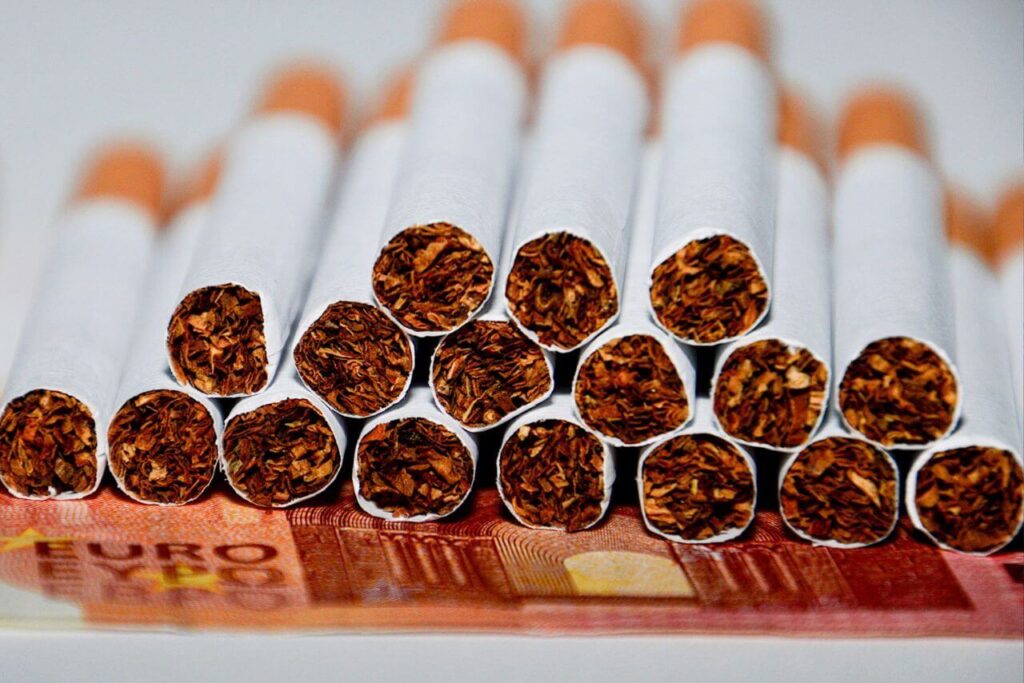
Synopsis: ITC and Godfrey Phillips have implemented another round of cigarette price hikes after the sharp excise duty increase announced in February 2026. But with cigarette sales reportedly falling nearly 20% during April–May, the real question is no longer whether companies can raise prices; it is whether consumers are willing to absorb them without permanently cutting volumes.
India’s cigarette industry has entered another aggressive pricing cycle. ITC has increased Gold Flake Superstar prices from ₹70 to ₹79, while Godfrey Phillips has raised Marlboro prices by more than 21% to nearly ₹85 per pack. These hikes follow the sharp 40% excise duty increase announced in February 2026 and represent the second major round of price pass-throughs by cigarette companies.
The strategy is becoming increasingly clear. Instead of implementing the entire price increase at once, companies appear to be staggering hikes gradually in an attempt to reduce immediate volume shocks. Current hikes remain slightly below earlier analyst expectations of nearly 35–40%, suggesting the possibility of another round of increases later this year if margins remain under pressure. But the demand impact is already visible.
Volume Pressure Is Emerging Quickly
Dealer channel checks indicate cigarette sales volumes declined nearly 20% during April–May 2026 following the excise-led price increases. The premium king-size segment, one of the most profitable categories for both companies, has reportedly seen the sharpest pressure. That matters because premium cigarettes contribute a disproportionately large share of profitability despite lower unit volumes. Every additional price hike now becomes a direct test of whether consumer brand loyalty can outweigh rising affordability concerns. So far, the early data suggest price elasticity may be stronger than companies initially anticipated.
Interestingly, part of the demand shift now appears to be moving toward smaller and lower-priced cigarette formats rather than complete consumption exits. Godfrey Phillips India benefits here because compact Marlboro variants allow smokers to downgrade within the same premium brand family instead of fully quitting. Meanwhile, ITC Limited is relying heavily on Gold Flake Superstar and Classic Connect compact formats to retain affordability-driven downtrading within its own portfolio ecosystem.
ITC vs Godfrey Phillips: Very Different Risk Profiles
The broader market is now treating ITC and Godfrey Phillips very differently, despite both operating in the same industry. ITC Limited remains relatively insulated because cigarettes are only one part of its larger diversified business model spanning FMCG, agribusiness, paperboards, and packaged foods. The company currently commands nearly 73% cigarette market share and trades at roughly 18.8x earnings.
Meanwhile, Godfrey Phillips India operates with a far higher dependence on tobacco profitability. The company controls nearly 16% market share and trades at approximately 23x earnings, making it more sensitive to any sustained decline in cigarette volumes. That difference becomes important during sharp tax cycles.
The Illicit Trade Risk Is Returning
One of the biggest long-term risks in India’s cigarette market is that sharp legal price increases often push consumers toward cheaper informal alternatives. Whenever taxation rises aggressively, illicit cigarettes and unorganised tobacco products tend to gain market share because price gaps widen materially. This has historically become one of the biggest challenges for legal cigarette manufacturers during previous excise-led slowdown cycles.
If legal cigarette prices continue rising while volumes weaken further, companies may eventually face a trade-off between protecting margins and protecting market share.
Market Takeaway
Both tobacco stocks have already corrected meaningfully this year, with shares declining nearly 15-20% from recent highs as investors price in earnings pressure and potential volume weakness. The real test now shifts to Q1 FY27 earnings commentary.
Investors will closely watch management commentary around post-price-hike demand trends, volume stabilisation, illicit trade penetration, and whether another pricing wave is likely later this year.
For now, the Indian cigarette industry appears to be entering a difficult balancing phase where companies are trying to protect profitability without permanently damaging consumption trends.
Disclaimer: The views and investment tips expressed by investment experts/broking houses/rating agencies on tradebrains.in are their own, and not that of the website or its management. Investing in equities poses a risk of financial losses. Investors must therefore exercise due caution while investing or trading in stocks. Trade Brains Technologies Private Limited or the author are not liable for any losses caused as a result of the decision based on this article. Please consult your investment advisor before investing.
The post Gold Flake at ₹79, Marlboro at ₹85: Are India’s Cigarette Giants Testing Consumer Limits? appeared first on Trade Brains.
Related Articles

Stocks in Focus: 2 Stocks Set to Trade Ex-Bonus Next Week; Do You Own Any?
Synopsis: Two listed companies gained attention after announcing bonus issues, w...

Gujarat Fluorochemicals Share: Can EV Battery Chemicals Become the Next Big Revenue Engine?
Synopsis: A specialty chemical giant bets big on battery materials, even as earl...

Fertiliser Stock Sees Fresh Promoter Buying After Best-Ever Annual Profit; Is It Undervalued?
Synopsis: A major fertiliser company just reported its best-ever annual profit,...

NSDL vs Market Slowdown: Can India’s Depository Giant Tackle India’s Slowing Investor Growth?
Synopsis: India’s investor growth engine is slowing, creating new questions for...