Gold Slips Below ₹1.60 Lakh as Stronger Dollar and Oil Surge Weigh on Bullion
Alex Smith
1 hour ago
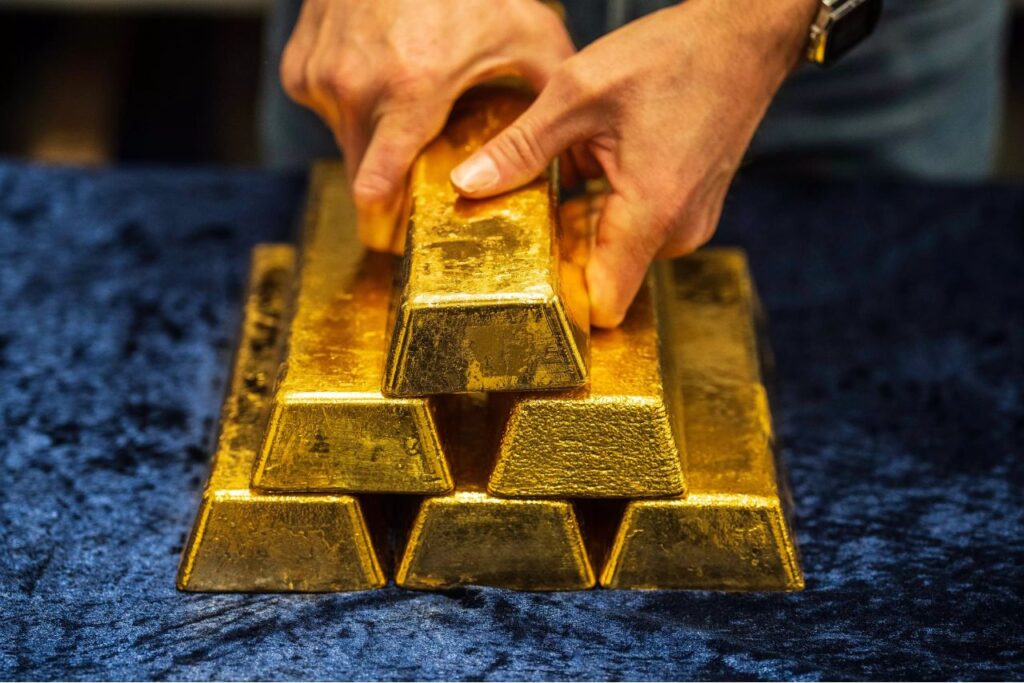
Synopsis:- Gold and silver prices fell sharply on MCX on Monday, June 1, 2026, as a stronger US dollar, surging crude oil prices, and expectations of a prolonged hawkish Federal Reserve stance weighed on bullion sentiment; domestic gold slipped below the Rs. 1.60 lakh per 10 grams mark while MCX silver found relative support, even as international spot silver bucked the trend to end marginally higher.
Precious metals came under pressure at the start of the week as a confluence of macroeconomic headwinds, a strengthening dollar, elevated crude prices, and geopolitical crosscurrents from West Asia combined to push bullion into corrective territory. The selling was sharper in gold than silver, with the two metals diverging at the margin on global spot markets even as both faced the same underlying macro environment.
On MCX, gold fell nearly 1 percent during the session, dropping below the Rs. 1.60 lakh per 10 grams threshold that had served as a psychological support level in recent sessions. Silver declined to an intraday low of Rs. 2.65 lakh per kilogram before finding some footing, suggesting that buying interest emerged at lower levels, a sign that silver’s demand profile, which straddles both investment and industrial use, helped cushion the fall.
In international spot markets, gold declined 0.5 to 0.7 percent to trade in the $4,505 to $4,520 per ounce range equivalent to approx Rs. 4,27,703 to Rs. 4,29,128 per troy ounce at the prevailing exchange rate. Silver, by contrast, bucked the trend and edged up 0.5 to 0.7 percent to trade between $75.8 and $76 per ounce or roughly Rs. 7,196 to Rs. 7,215 per troy ounce. The divergence between gold and silver on the international leg reflects silver’s dual character: its industrial demand component, particularly from solar panel manufacturing, provides a floor that pure safe-haven assets like gold lack when risk sentiment deteriorates.
The primary trigger for the day’s weakness was dollar strength. A stronger greenback makes dollar-denominated commodities more expensive for buyers transacting in other currencies, compressing demand at the margin. Underpinning dollar strength is the market’s reassessment of Federal Reserve policy: crude oil, which surged over 3 percent in Monday’s session to trade above $100 per barrel (Rs. 9,494 per barrel), is reigniting inflation concerns globally. Central banks, led by the Fed, are expected to maintain elevated interest rates for longer in such an environment.
Gold yields nothing, no dividend, no coupon so rising interest rates increase the opportunity cost of holding it, prompting some institutional participants to rotate out of bullion and into yielding assets.
West Asia: The Geopolitical Pendulum
Complicating the picture is the ongoing volatility in West Asia. Fresh military strikes between US forces and Iran-linked groups, alongside escalating conflict between Israel and Hezbollah, have injected a safe-haven bid into markets but this is currently being overwhelmed by the stronger dollar and the hawkish rate narrative. The critical near-term variable is the proposed 60-day extension of the US-Iran ceasefire, on which US President Donald Trump is expected to take a decision shortly. A ceasefire extension would likely reduce the safe-haven premium in gold prices, pushing them lower in the near term.
A breakdown in talks, on the other hand, would likely send crude higher still, creating a volatile environment where safe-haven demand and hawkish Fed bets pull gold in opposite directions simultaneously.
India’s Structural Shift: ETFs Over Jewelry
The domestic demand picture has been altered structurally by India’s recent hike in gold import duty to 15 percent, which has inflated retail prices to the point where physical jewelry demand has taken a tangible hit. Indian households are not exiting gold, they are changing the form in which they hold it. Financial gold, through Gold ETFs and Sovereign Gold Bonds, now accounts for roughly 28 percent of India’s annual approximately 800-tonne gold consumption. This shift is not bearish for gold as an asset; it is merely a redistribution from jewellery counters to demat accounts, and it eases pressure on the current account by reducing the need for physical import at the margin.
Technical Levels to Watch
Commodity analysts tracking MCX June and July futures have identified the following levels. For gold, immediate floor support sits in the Rs. 1,50,000 to Rs. 1,55,000 range, with stiff resistance capped near Rs. 1,57,000. For silver, major technical support lies in the Rs. 2,61,000 to Rs. 2,63,600 zone, while sellers are expected to re-emerge near the Rs. 2,70,000 threshold. A decisive move above resistance in either metal would require either a weaker dollar or a material deterioration in the West Asia situation.
Longer-term, analysts at KCM Trade maintain a bullish fundamental outlook, projecting gold could test $5,500 per ounce approximately Rs. 5,22,170 per troy ounce at current exchange rates by end-2026 if the US dollar softens meaningfully as the Fed eventually pivots.
Disclaimer: The views and investment tips expressed by investment experts/broking houses/rating agencies on tradebrains.in are their own, and not that of the website or its management. Investing in equities poses a risk of financial losses. Investors must therefore exercise due caution while investing or trading in stocks. Trade Brains Technologies Private Limited or the author are not liable for any losses caused as a result of the decision based on this article. Please consult your investment advisor before investing.
The post Gold Slips Below ₹1.60 Lakh as Stronger Dollar and Oil Surge Weigh on Bullion appeared first on Trade Brains.
Related Articles

Eicher Motors Shares in Focus As Royal Enfield Sales Jump 15% to 1.03 Lakh Units in May
Synopsis: Royal Enfield sold 1,03,231 motorcycles in May 2026, a 15 percent jump...

Gabion Technologies Rallies 3.4% After Securing 21 Fresh Domestic Infrastructure Orders Worth ₹12 Cr
Synopsis: Gabion Technologies India Limited has disclosed a consolidated order i...
Why Did Coffee Day Enterprises Shares Rally 46% in Just 3 Trading Sessions?
Synopsis: The shares of this micro-cap company surged 46 percent in three tradin...

520% Profit Growth: Stock Jumps 19% After Reporting Robust Q4 Results
Synopsis: The shares of this trading company surged 19 percent after reporting s...