Japan Threatens Market Intervention as Yen Plunges to 11-Month Low Against Dollar
Alex Smith
1 month ago
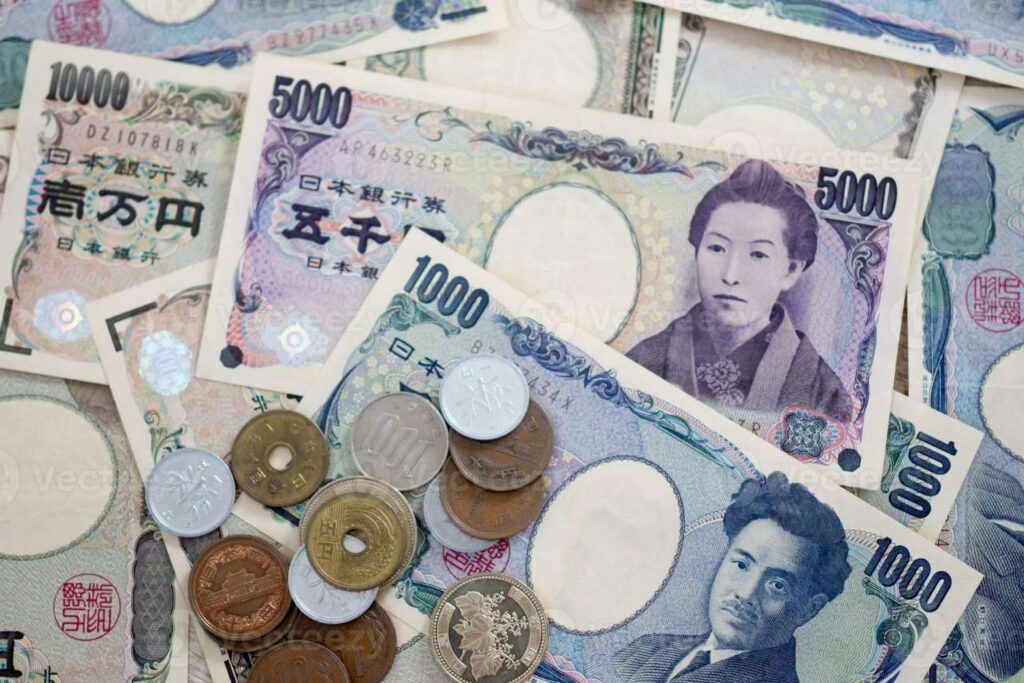
Synopsis: Japan’s finance minister issues the strongest yen intervention warning, stating recent currency moves don’t reflect fundamentals as the dollar hits 157.78 against the yen.
Japan has escalated its warnings to currency traders. Finance Minister Satsuki Katayama declared Tuesday that Tokyo has complete authority to intervene in markets. The yen’s sharp decline doesn’t match economic fundamentals, she stated firmly. This marks the government’s most aggressive stance on potential intervention since July 2024.
The USD JPY pair jumped to 157.78 last Friday, hitting an 11-month low. The currency markets reacted strongly following the Bank of Japan’s policy meeting. Despite raising interest rates, the yen weakened significantly against the dollar. Japanese officials now signal they’re ready to act decisively.
Central Bank’s Rate Hike Fail
The Bank of Japan raised interest rates to 0.75% from 0.5% on Friday. This brought borrowing costs to three-decade highs, officials confirmed the move aimed to narrow the gap with U.S. Federal Reserve rates. However, the strategy didn’t achieve its intended effect on the yen.
Markets focused heavily on Governor Kazuo Ueda’s post-meeting press conference. His comments provided few hints about future rate increases. Traders interpreted this as the central bank taking a cautious approach. Consequently, the dollar reached a high of 157.67 against the yen.
Katayama emphasized Tuesday that recent currency moves “absolutely do not reflect fundamentals.” She believes speculative trading pushed the yen beyond reasonable levels. The government will take appropriate action against excessive volatility, she warned. Japan’s September agreement with the U.S. gives Tokyo this authority.
Government Officials Response
Atsushi Mimura, Japan’s top currency diplomat, expressed serious concerns Monday. He described recent foreign exchange movements as “one-sided and sharp.” Authorities will implement appropriate measures against excessive fluctuations, he stated clearly. His remarks reinforced the government’s unified stance on readiness for intervention.
Chief Cabinet Secretary Minoru Kihara added that currencies should move in a stable manner. They must reflect underlying economic fundamentals, he emphasized during a press conference. The government stands ready to counter speculative trading activities. Officials will closely monitor the impact of higher interest rates while coordinating with the BOJ.
Furthermore, Japanese government bonds weakened following last week’s rate hike. The two-year JGB yield reached a record high on Monday. Meanwhile, the 10-year yield climbed to its highest level in 26 years. These developments shows growing pressure on Japan’s financial markets.
Market Analysts Prediction
Currency experts believe that intervention could occur soon if current trends persist. “If the dollar climbs past 158 yen, intervention would occur for sure,” said Hiroyuki Machida. He directs Japan FX and commodities sales at ANZ Bank. His assessment reflects widespread market expectations about government action.
The yen recovered slightly to around 156 per dollar following Katayama’s comments on Tuesday. Nevertheless, it remains close to Friday’s troubling lows. Tokyo last intervened in July 2024 when the currency hit 161.96 per dollar. That marked a 38-year low for the Japanese currency.
A weak yen creates significant challenges for Japanese households nationwide. Import prices rise sharply, pushing up overall inflation rates. Living costs increase substantially, creating economic hardship for ordinary citizens. These factors make currency stability crucial for policymakers.
Policy Coordination Remains Key Challenge
Japan and the United States issued a joint statement in September 2024. Both nations reaffirmed their commitment to market-determined exchange rates. However, they agreed that interventions can combat excessive volatility when necessary. Japanese officials now cite this agreement as justification for potential action.
Machida notes the yen’s weakness stems from multiple government policies. Reflationary fiscal measures contribute to currency pressure, he explains. Additionally, the BOJ’s still-accommodative monetary stance continues to affect market dynamics. These combined factors create downward pressure on the yen.
Katayama’s Tuesday remarks contrasted sharply with her Monday statements. Previously, she had not explicitly defined recent moves as fundamentally misaligned. Now she’s stating clearly that speculation drives current USD JPY levels. This rhetorical shift signals growing urgency within government circles.
The government continues to monitor currency markets as the year-end approaches. Officials maintain readiness to intervene if speculative trading intensifies further. Japan’s experience with currency intervention remains fresh in market memory. Traders now closely monitor any signs of actual government action.
The post Japan Threatens Market Intervention as Yen Plunges to 11-Month Low Against Dollar appeared first on Trade Brains.
Related Articles

Why did KPIT Technologies share crash up to 29% in one month?
Synopsis: KPIT Technologies Limited shares fell nearly 29% in a month amid Europ...

Solar Industries, Caplin Point and 6 other stocks delivering back-to-back EPS growth
Synopsis: Stocks like Solar Industries, Waaree Energies, and Navin Fluorine and...

Will Max Financial share price cross ₹2,000 after announcing robust Q3 results?
Synopsis: Max Financial gains after robust Q3 performance; Jefferies reiterates...

Angel One Vs Groww: Which stockbroker performed better in Q3?
Synopsis: Angel One and Groww delivered contrasting performances in Q3 FY26. Ang...