Louis Vuitton: How Many Luxury Brands Does LVMH Own?
Alex Smith
3 days ago
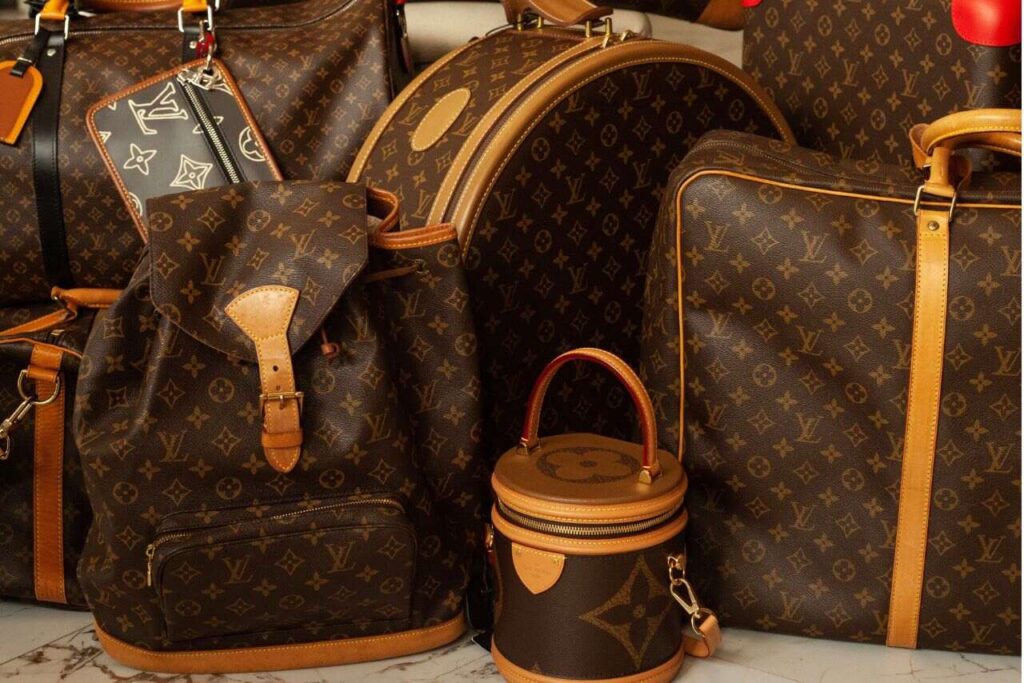
Synopsis: LVMH is the world’s most powerful luxury group, built through owning many famous brands across fashion, beauty, jewelry, retail, and drinks. It controls design to retail, protects craftsmanship, invests for the long term, and earns nearly 95 billion dollars in revenue while shaping culture, media, and elite lifestyle globally today.
Every time you buy a luxury perfume, admire a diamond ring, walk into a high-end department store, or celebrate with a glass of premium champagne, you are likely interacting with the same invisible power behind the scenes. This company rarely advertises itself as a single brand, yet it shapes what the world considers luxury, taste, and prestige. It quietly owns some of the most famous names in fashion, beauty, jewellery, travel, and wine, touching nearly every part of the luxury lifestyle without most people realizing it, so who really runs the world of luxury?
Who is LVMH? The Invisible Giant
LVMH, which stands for Moët Hennessy Louis Vuitton, is a Paris-based French multinational company that sits at the very top of the global luxury industry. It is not a single brand, but a powerful holding company that owns and manages dozens of famous luxury names.
The group was created in 1987 when two major businesses came together, Louis Vuitton, a historic fashion house founded in 1854, and Moët Hennessy, itself a merger of two heritage drinks companies, Moët & Chandon champagne from 1743 and Hennessy cognac from 1765. This combination laid the foundation for what would become the most influential luxury empire in the world.
Since 1989, the company has been led by Bernard Arnault, who is widely regarded as one of the richest people on the planet. Under his leadership, LVMH has followed a clear mission: to become the undisputed global leader in luxury. Over time, it has built a business model centered on creativity, craftsmanship, and high quality while continuously expanding its reach. Unlike most companies, LVMH operates across six major luxury sectors, including fashion, beauty, fine wines, jewellery, retail, and even hospitality and travel.
In many ways, LVMH functions like Alphabet in technology or Tata and Reliance in India, a parent group that controls many well-known businesses beneath it. It is not just a maker of luxury bags; it controls an entire luxury ecosystem from production to retail. To understand how powerful LVMH truly is, you have to look at what it owns.
The LVMH Universe-What It Owns?
Fashion & Leather Goods
LVMH’s Fashion and Leather Goods division brings together a wide range of premium brands that define modern luxury. Barton Perreira is a high-end eyewear label known for its handmade frames that mix classic style with a modern look. Berluti focuses on luxury men’s footwear, clothing, and leather accessories with a strong emphasis on craftsmanship.
Celine stands out for its sleek, minimalist designs in apparel and accessories. Christian Dior is a globally admired house famous for its haute couture, ready-to-wear fashion, perfumes, and luxury accessories. Fendi is recognized for its high-quality leather products and creative, innovative designs. Givenchy blends traditional luxury with contemporary street-style influences in its fashion and accessories. Kenzo brings together Japanese artistic elements and Parisian fashion sensibilities, offering vibrant clothing and fragrances.
Alongside these, LVMH also includes LVMH Métiers d’Art, which preserves and promotes traditional craftsmanship, as well as Loewe, Loro Piana, Louis Vuitton, Marc Jacobs, Moynat, Patou, Pucci, Rimowa, Thelios, and Vuarnet, each contributing to the group’s dominance across premium fashion, leather goods, luggage, and luxury accessories.
Perfumes & Cosmetics
LVMH’s Perfumes and Cosmetics portfolio covers everything from classic luxury fragrances to modern, inclusive beauty brands. Acqua di Parma represents refined Italian style, offering elegant perfumes, scented candles, and premium bath products. Benefit Cosmetics, based in San Francisco, is known for its fun, creative, and easy-to-use makeup range that appeals to younger consumers.
Cha Ling draws inspiration from Chinese tea traditions, blending natural heritage ingredients with contemporary beauty science. Fenty Beauty by Rihanna stands out for its diverse shade range that caters to people of all skin tones. Fresh focuses on combining natural ingredients with modern skincare technology to create effective and gentle beauty products.
Givenchy Parfums delivers high-end perfumes, cosmetics, and skincare with a sophisticated Parisian touch, while Guerlain continues its legacy as one of the world’s most prestigious beauty houses, known for luxury fragrances and premium skincare. Alongside these, LVMH also owns KVD Beauty, Kenzo Parfums, Loewe Perfumes, Maison Francis Kurkdjian, Make Up For Ever, OLHENRIKSEN, Buly1803, Parfums Christian Dior, and STELLA by Stella McCartney, together giving LVMH a powerful presence across premium perfumery, professional makeup, clean beauty, and modern skincare.
Jewelry & Watches
LVMH’s Jewelry and Watches division unites some of the most respected names in luxury craftsmanship and high-end timekeeping. Bvlgari is known for its bold, distinctive designs across jewelry, watches, and accessories, while Chaumet is admired for its refined fine jewelry and historic Parisian artistry. Fred brings a playful yet elegant style inspired by the French Riviera. In watchmaking, Hublot is recognized for its innovative use of materials and modern design, while Zenith is celebrated for its technical excellence and its famous El Primero chronograph movement. TAG Heuer represents precision-driven luxury sports watches with a strong, dynamic aesthetic.
In fine jewelry, Tiffany & Co. remains one of the world’s most iconic names, best known for its diamond engagement rings and signature blue boxes, while Repossi offers a more modern, architectural approach to jewelry design. Together, Bvlgari, Chaumet, Fred, Hublot, Zenith, TAG Heuer, Tiffany & Co., and Repossi give LVMH exceptional strength across both elite jewelry and Swiss luxury watchmaking.
Wines & Spirits
LVMH’s Wines and Spirits division brings together some of the most prestigious labels in fine wine and premium alcohol. Ao Yun produces luxury wine from the Himalayan foothills, while Ardbeg is known for its bold, smoky Islay whisky and Belvedere for its smooth Polish vodka. Numanthia makes powerful wines from old Tempranillo vines in Spain, and Chandon produces sparkling wines across multiple countries.
The group also owns Cheval des Andes, created through a partnership between Château Cheval Blanc and Terrazas de los Andes, along with iconic estates such as Château Cheval Blanc, Château d’Yquem, and Château Galoupet. From New Zealand comes Cloudy Bay, while Colgin Cellars, Joseph Phelps, Domaine des Lambrays, and Newton Vineyard strengthen its premium wine presence.
In champagne, LVMH controls Moët & Chandon, Veuve Clicquot, Dom Pérignon, Krug, Ruinart, and Mercier. In spirits, it owns Hennessy, Glenmorangie, and Eminente, reinforcing its leadership in cognac and whisky. It also includes Terrazas de los Andes, Volcan de mi Tierra, and Woodinville, making LVMH one of the most powerful players in the global luxury drinks industry.
Selective Retail
Through its Selective Retail division, LVMH controls some of the most influential luxury shopping destinations in the world. 24S is a Paris-based online luxury platform that sells a carefully curated range of more than 350 premium fashion and beauty brands. DFS is a leading travel retailer that operates high-end duty-free stores in major international airports and runs its T Galleria luxury shopping outlets.
La Grande Épicerie de Paris is a famous gourmet food store in Paris, known for its wide selection of fine foods, premium wines, and specialty culinary products. Le Bon Marché Rive Gauche is a historic Parisian department store that offers a carefully selected mix of luxury fashion, lifestyle products, and art exhibitions. Sephora, one of the world’s largest beauty retailers, provides a broad range of cosmetics, skincare, and fragrances along with personalized beauty services.
Other Activities
Beyond fashion and beauty, LVMH is deeply present in hospitality, culture, and lifestyle. Through Belmond, it owns luxury hotels, scenic trains, and river cruises around the world, while Cheval Blanc represents some of the most exclusive ultra-luxury resorts focused on highly personalized service. In arts and culture, it is linked to Connaissance des Arts, and also owns Cova, a historic Milanese patisserie known for its elegant setting and premium desserts. Jardin d’Acclimatation adds a family-friendly cultural and recreational dimension through its gardens and attractions in Paris.
LVMH also has a strong presence in media through Investir, Le Parisien, Les Echos, Paris Match, and Radio Classique, giving it influence over business, news, and cultural storytelling in France. Finally, through Royal Van Lent, the group is involved in building custom ultra-luxury yachts, reinforcing its presence in elite lifestyle experiences. Together, these businesses show that LVMH is not just a luxury goods company but a broad cultural and lifestyle empire.
How LVMH Actually Makes Money
LVMH makes money through a carefully designed business model built around powerful brands, tight control, and deep customer relationships. At its core is its vast brand portfolio, which spans fashion, beauty, jewelry, watches, wines, and retail. By owning many different luxury brands instead of just one, LVMH reduces risk and reaches different kinds of wealthy consumers, whether they are buying a Dior perfume, a Tiffany diamond, or a Louis Vuitton bag.
The group also controls much of its supply chain, meaning it is involved in design, manufacturing, distribution, and retail. This vertical control helps LVMH maintain quality, protect exclusivity, and ensure that every product feels premium. Its global retail network, including flagship stores, luxury boutiques, duty-free outlets, and digital platforms, allows the company to engage directly with customers and create aspirational shopping experiences rather than simply selling products.
Where LVMH truly differentiates itself from competitors like Kering or Richemont is in how it manages its brands. Instead of micromanaging them, LVMH gives each brand creative freedom to maintain its identity, heritage, and design philosophy. Louis Vuitton, Dior, Tiffany, and Bulgari are not run like identical businesses, each keeps its own personality.
At the same time, LVMH takes a long-term approach to growth, investing patiently in craftsmanship, heritage, and brand value rather than chasing short-term profits. This focus on quality over speed has helped the group build trust among wealthy consumers who associate LVMH brands with excellence, durability, and prestige.
Beyond profits, LVMH also strengthens its business through sustainability and cultural responsibility. The group works on responsible sourcing, reducing waste, and lowering environmental impact across its operations. It also invests in art, craftsmanship, and education to preserve traditional skills that are essential to luxury manufacturing. By supporting artisans, cultural institutions, and creative industries, LVMH reinforces its image as not just a money-making corporation but a guardian of luxury heritage. This combination of brand power, supply control, innovation, long-term thinking, and social responsibility is what has made LVMH the most dominant and influential luxury company in the world.
How Much Money Do They Make?
In 2025, LVMH reported total revenues of 94.91 billion US dollars, underscoring its dominance across the global luxury industry. Fashion and Leather Goods remained the largest contributor at 49.43 billion dollars, reflecting the enduring power of brands like Louis Vuitton and Dior. Watches and Jewellery generated 12.70 billion dollars, followed by Selective Retail at 20.88 billion dollars, highlighting the importance of its direct-to-consumer presence. Perfumes and Cosmetics brought in 8.37 billion dollars, while Wines and Spirits contributed 7.74 billion dollars, showing balanced strength across lifestyle categories. Other and holding activities added 2.07 billion dollars.
Geographically, Asia led with 25.12 billion dollars in sales, closely followed by the United States at 24.30 billion dollars, while Europe contributed 17.07 billion dollars. France accounted for 7.91 billion dollars, Japan 7.49 billion dollars, and other countries together added 13.03 billion dollars. With a market capitalization of 309.33 billion dollars, LVMH stands as one of the most valuable and influential luxury companies in the world.
LVMH is much more than a luxury company, it is the quiet force behind many of the world’s most famous brands. From handbags and perfumes to jewelry, champagne, and luxury stores, it touches almost every part of the high-end lifestyle. By owning many different brands and carefully protecting their quality and image, LVMH has built a powerful and stable business that continues to grow around the world. In simple terms, if luxury has a leader, it is LVMH.
Disclaimer: The views and investment tips expressed by investment experts/broking houses/rating agencies on tradebrains.in are their own, and not that of the website or its management. Investing in equities poses a risk of financial losses. Investors must therefore exercise due caution while investing or trading in stocks. Trade Brains Technologies Private Limited or the author are not liable for any losses caused as a result of the decision based on this article. Please consult your investment advisor before investing.
The post Louis Vuitton: How Many Luxury Brands Does LVMH Own? appeared first on Trade Brains.
Related Articles
NBFC stock jumps 19% after reporting 744% revenue growth in Q3
Synopsis: An NBFC stock surged nearly 19% after reporting a sharp 744% YoY jump...

Tata Group: Tata Steel and 6 other stocks with over 100% net profit growth in Q3 to look out for
Synopsis: Automobile Corporation of Goa, Automotive Stampings, Tata Investment,...

Vodafone Idea: Can the ₹45,000 Cr Capex Plan Save the Telecom Giant?
Synopsis: Vodafone Idea is making a significant effort to bounce back after faci...
M&M, Divi’s Labs, Ashok Leyland and 7 Other Stocks to Announce Q3 Results Today
Synopsis: M&M, Divis Labs, Ashok Leyland, and seven other companies announce...