Megatrend: Why India can become a key player in data embassies?
Alex Smith
1 month ago
Synopsis: India is emerging as a promising destination for data embassies due to its skilled workforce, robust digital infrastructure, renewable energy, and stable geopolitics. Hosting foreign governments’ critical data can boost security, efficiency, and global trust, positioning India as a key player.
India is steadily emerging as a global hub for technology and digital infrastructure, attracting attention from countries looking for secure ways to store their critical data. With its skilled workforce, growing data center industry, and stable geopolitical environment, India could play a major role in hosting foreign governments’ digital assets. But how realistic is it for India to become a key player in the world of data embassies?
What Is a Data Embassy?
A data embassy is easiest to understand if you compare it to a real embassy. When a country opens an embassy abroad, the land may be in a foreign country, but what happens inside the building is governed by the home country’s laws. The host nation provides space, electricity, internet access, and security, but it does not control the people or the work inside.
A data embassy works the same way in the digital world; it is a data centre located in another country but legally treated as the sovereign territory of the home country, with servers, data, and access fully controlled by that country under bilateral treaties.
In simple terms, if a physical embassy protects diplomats, a data embassy protects a nation’s digital citizens and critical records. Government databases, public service applications, and essential systems are mirrored and backed up there so they remain safe even if something goes wrong at home.
The data may sit on foreign soil, but the host country has no legal authority over it. This setup is designed for extreme situations such as cyber-attacks, natural disasters, wars, or system failures, where a country needs to keep running even if its domestic infrastructure is disrupted.
Estonia was the first country to turn this idea into reality. In 2013, after suffering major cyber-attacks in 2007, the Estonian government launched its Data Embassy initiative to ensure digital continuity and avoid a complete shutdown of government services. It defined a data embassy as a physical or virtual data centre in an allied foreign country that stores critical government data and mirrors key public services.
Estonia built this using three layers: government-operated cloud systems within its borders, physical data embassies in allied countries fully controlled by the Estonian state, and virtual data embassies for non-sensitive data on trusted public cloud platforms. The principle behind all of it was simple, data can move across borders, but sovereignty does not.
What Are The Features of A Data Embassy?
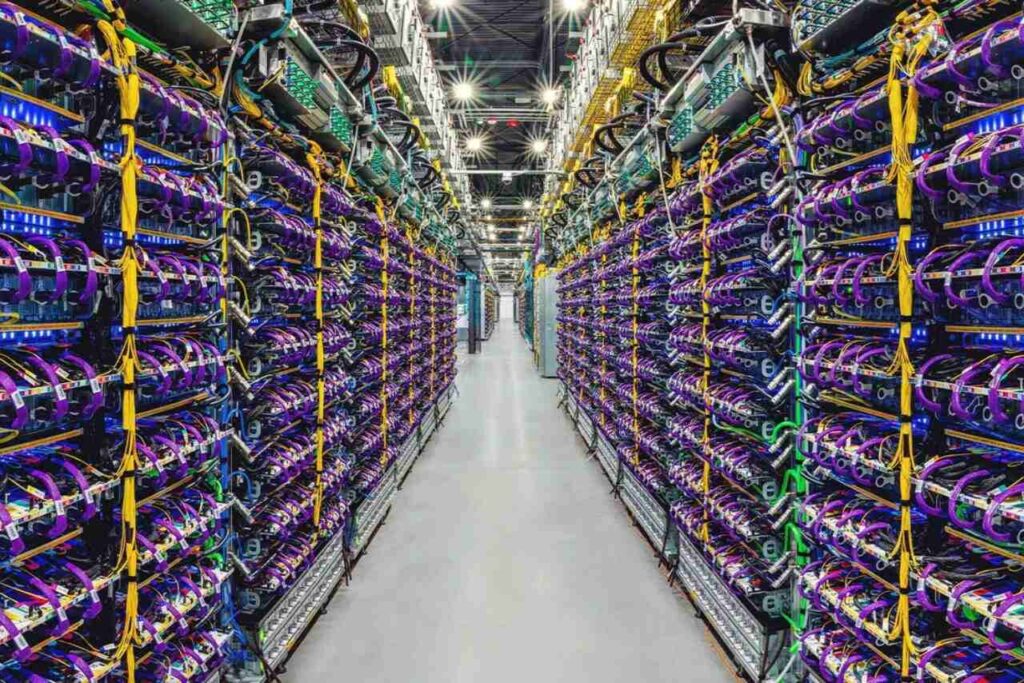
Unlike a traditional embassy with flags and diplomats, a data embassy can be as simple as a secure room filled with servers. Those servers store the digital systems a government cannot afford to lose, databases, applications, and records that keep public services running. If the main servers back home are damaged, hacked, or taken offline, the data embassy acts as a fallback, allowing the state to continue functioning without starting from scratch.
These facilities are usually set up in another country, which plays the role of a host. The host country is responsible for providing strong, reliable infrastructure to keep the data safe.
This means secure data centres, uninterrupted power supply, high-quality internet connectivity, and resilient systems that can withstand both cyber threats and physical risks. Just as important, the host country must have data protection and privacy laws that meet international standards, so sensitive government data is not exposed or misused.
Beyond physical infrastructure, data embassies are governed by clear legal and technical agreements with trusted partners. These agreements spell out how data confidentiality, integrity, and availability are protected, and they also define who controls the data.
Once everything is in place, encrypted data is securely transferred from the home country to the embassy and stored in a tightly controlled environment. Access happens remotely through secure portals, allowing authorised users to retrieve or run critical systems when needed. In practice, this makes data embassies useful not just for emergencies, but also for disaster recovery, long-term archiving, and secure data storage.
Why Do Data Embassies Exist At All?
Data embassies are not a futuristic experiment or a passing policy trend. They exist because the risks governments face today are very real, and they are growing. Modern states are increasingly vulnerable to cyber warfare, ransomware attacks, and large-scale denial-of-service assaults that can knock critical systems offline in minutes. In a denial-of-service attack, attackers flood networks with traffic until they stop functioning altogether.
If such attacks coincide with a military conflict, political unrest, or even a natural disaster, a country’s domestic data centres can become unusable. Having critical systems backed up in a data embassy abroad allows governments to restore services quickly and maintain continuity when it matters most.
There is also a deeper strategic concern. Keeping all national data within one geography creates a single point of failure, while relying too heavily on a handful of global cloud giants concentrates risk in ways many governments are no longer comfortable with. At the same time, data localisation laws are tightening across the world, even as sanctions and geopolitical tensions make cross-border data access uncertain.
The Ukraine-Russia war showed how digital infrastructure can become a battlefield. The ongoing US-China tech decoupling has highlighted how technology access can be weaponised. Sanctions that freeze not just bank accounts but also digital assets have made it clear that political decisions can instantly cut off access to data and systems.
Data embassies are a response to this new reality. They help countries balance data sovereignty with security, ensuring that sensitive government data remains under national control even when stored abroad. Because they operate under the laws of the home country, not the host country, the data remains legally protected from foreign access, much like a physical embassy.
Agreements such as the one between Estonia and Luxembourg go a step further, granting immunity and inviolability to data embassy premises while allowing access only to authorised officials from the home state.
Beyond security, data embassies also make sense operationally. Hosting backups in advanced foreign data centres enables faster synchronisation and service recovery, encourages collaboration between trusted states, and often costs less than building and maintaining duplicate infrastructure at home. In an age of cyber conflict, sanctions, and digital disruption, data embassies are less about convenience and more about survival.
Key Reasons For Establishing Data Centres In India
India is emerging as a compelling destination for data embassies thanks to its skilled and cost-effective workforce. The country boasts a vast pool of engineers, IT specialists, technicians, and management professionals who are well-equipped to operate, maintain, and secure complex data infrastructure.
This talent advantage ensures that data embassy operations can run smoothly and efficiently, often at a fraction of the cost compared to Western nations. Coupled with a growing emphasis on cybersecurity expertise, India provides the human capital necessary for managing sensitive government data with high reliability.
Another major advantage is India’s green energy and favorable geopolitical environment. With rapid growth in renewable energy, the country can offer stable and eco-friendly power for data centres, helping reduce both operational costs and carbon footprints while ensuring long-term energy security.
On the diplomatic front, India’s political stability, strong international relationships, and increasing influence in global digital governance make it a trusted and strategically safe location for hosting critical foreign government data. Together, these factors create an environment where data embassies can operate securely, efficiently, and sustainably.
Recent Developments
India is moving closer to becoming a key player in the global data embassy ecosystem, with advanced talks underway with the UAE and other countries. One of the most notable proposals is a UAE data embassy, likely to be set up in Andhra Pradesh, where Abu Dhabi would be able to securely store a copy of its sovereign data in India while maintaining full control. This initiative reflects India’s rising stature as a global hub for data centers, thanks to its robust technological infrastructure, skilled workforce, and cost-effective operations.
The collaboration is expected to provide a boost to India’s data center industry, driving demand for high-security infrastructure and attracting more sovereign and institutional clients.
It also positions India as a trusted, neutral location for sensitive data storage, enhancing the country’s geopolitical credibility. Beyond individual projects, this model could pave the way for special strategic data zones hosting multiple nations’ critical data. Such zones would accelerate investment in cutting-edge hosting, encryption, and disaster recovery capabilities, strengthening India’s role as a secure and forward-looking global digital partner.
Challenges Involved With Data Embassies
A data embassy is like a special storage center where a country keeps its important digital information in another country while still controlling it. This idea is promising but comes with challenges. Legally, it’s unclear which country’s laws apply, since different countries have different rules about data privacy, security, and ownership. Existing international agreements for regular embassies may not work for digital data, and many countries don’t have laws specifically for data embassies yet.
There are also practical and political problems. Setting up secure storage, protecting it from hackers, and coordinating between countries is complicated. Politically, a country must trust the host country because any change in relations could put the data at risk. To solve these issues, countries need clear laws that define who owns and controls the data, set rules for privacy and security, and explain how disputes will be handled. This will make data embassies safe and reliable.
Conclusion
India’s journey toward becoming a hub for data embassies is more about servers or technology, it’s about trust, security, and being a reliable partner in a digital world that is growing more unpredictable by the day.
With its talented workforce, strong infrastructure, and stable environment, India has the ingredients to help other nations safeguard their most critical data. Challenges exist, but with clear rules, collaboration, and careful planning, India could become a place where countries feel their digital future is truly protected.
Disclaimer

The views and investment tips expressed by investment experts/broking houses/rating agencies on tradebrains.in are their own, and not that of the website or its management. Investing in equities poses a risk of financial losses. Investors must therefore exercise due caution while investing or trading in stocks. Trade Brains Technologies Private Limited or the author are not liable for any losses caused as a result of the decision based on this article. Please consult your investment advisor before investing.
The post Megatrend: Why India can become a key player in data embassies? appeared first on Trade Brains.
Related Articles

Solar Industries, Caplin Point and 6 other stocks delivering back-to-back EPS growth
Synopsis: Stocks like Solar Industries, Waaree Energies, and Navin Fluorine and...

Will Max Financial share price cross ₹2,000 after announcing robust Q3 results?
Synopsis: Max Financial gains after robust Q3 performance; Jefferies reiterates...

Angel One Vs Groww: Which stockbroker performed better in Q3?
Synopsis: Angel One and Groww delivered contrasting performances in Q3 FY26. Ang...

₹80,900 Cr Valuation: Why is Lenskart considered a tech company despite being a retail brand?
Synopsis: Lenskart is called a tech company because it uses advanced data and ar...