Railway Stocks to Benefit After Modi Govt Approves ₹23,437 Cr Projects
Alex Smith
2 hours ago
Synopsis: India’s ₹23,437 crore railway expansion is not just about laying tracks; it is about unlocking opportunities across a wide ecosystem of railway, financing, engineering, and ancillary companies that power the sector behind the scenes.
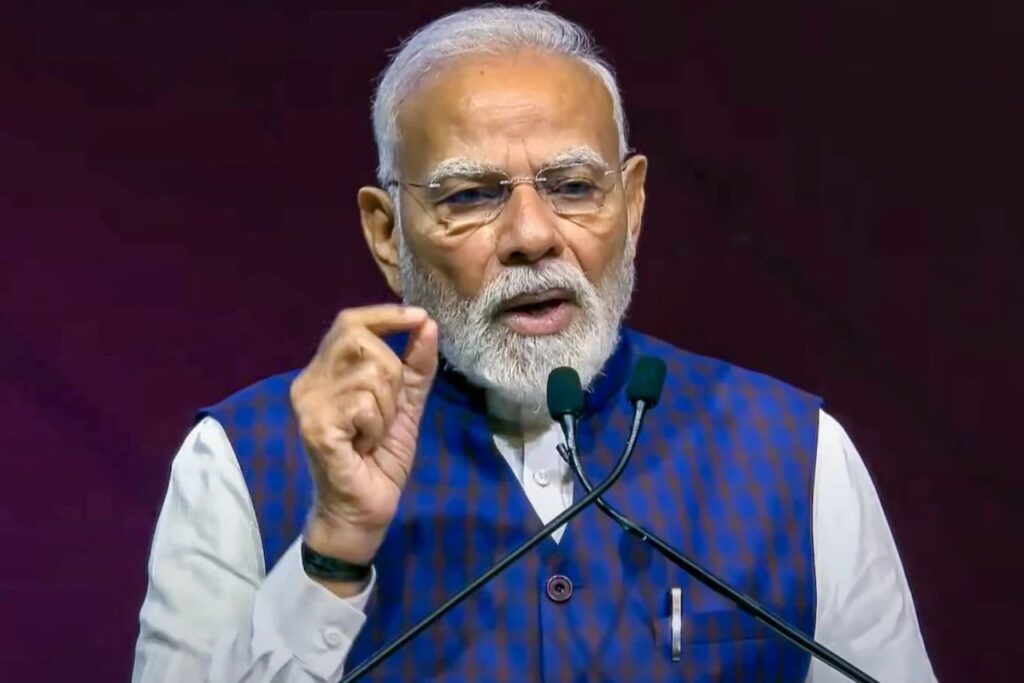
The Cabinet Committee on Economic Affairs, chaired by Prime Minister Narendra Modi, approved three railway multi-tracking projects at a total cost of ₹23,437 crore on May 5, 2026, covering new lines between Nagda and Mathura, Guntakal and Wadi, and Burhwal and Sitapur across six states, including Madhya Pradesh, Rajasthan, Uttar Pradesh, Karnataka, Andhra Pradesh, and Telangana.
Once implemented, these projects will add approximately 901 km to the Indian Railways network and generate additional freight traffic of 60 million tonnes per annum, along with reducing oil imports by 37 crore litres, but the real opportunity for investors lies not in the tracks themselves; it lies in the ecosystem of companies that will build, finance, connect, and supply them.
The Direct Beneficiaries: Financing and Core Rail Plays
At the centre of this capex cycle sits Indian Railway Finance Corporation, which acts as the primary financing arm for railway expansion. Higher capex typically translates into stronger loan book growth and asset visibility, making it one of the most direct plays on railway spending. Execution-heavy players like IRCON International and Rail Vikas Nigam Limited also stand to benefit as project awarding and execution activity pick up.
Meanwhile, Indian Railway Catering and Tourism Corporation could see indirect gains as improved network capacity drives higher passenger traffic and service monetization over time.
Digital and Signalling: The Modernization Play
Railway expansion is no longer just about laying tracks; it increasingly involves signalling upgrades, network connectivity, and data integration. RailTel Corporation of India stands out as a direct play in this layer, as it operates the telecom and IT backbone of Indian Railways.
As the network moves toward smarter, data-driven operations, RailTel is well-positioned to benefit from rising demand for digital infrastructure, making it more than just a capex-linked story and potentially a structural beneficiary of railway modernization.
The Ancillary Opportunity: Where the Hidden Value Lies
The most interesting part of this story is often overlooked: the ancillary ecosystem. Companies like Texmaco Rail & Engineering, Jupiter Wagons, and Titagarh Rail Systems are directly linked to wagon manufacturing, rolling stock, and rail components, all of which see demand rise when capacity expands.
Similarly, engineering and construction players such as Larsen & Toubro and Kalpataru Projects International could participate in execution and infrastructure development tied to railway expansion.
The Unexpected Angle: HVAC and Component Suppliers
This is where the story gets more layered. Companies like Amber Enterprises are emerging as indirect beneficiaries through their involvement in railway HVAC systems, components, and coach electrification.
As railway coaches modernize and electrification expands, demand for cooling systems, electrical components, and subsystems increases, creating opportunities beyond traditional railway companies. Other players like Voltas and Blue Star could also see incremental demand from railway and infrastructure-linked HVAC requirements.
How These Companies Make Money
Across the railway ecosystem, earnings come from different layers rather than ticket sales. Indian Railway Finance Corporation earns through interest income by financing projects, while execution players like Rail Vikas Nigam Limited and IRCON International generate project-based revenues by building infrastructure.
Meanwhile, manufacturers such as Titagarh Rail Systems and Jupiter Wagons earn from supplying wagons and components, and RailTel Corporation of India benefits from telecom and digital services, making this a multi-layered, capex-driven opportunity rather than an operating revenue play.
What Should Investors Watch?
While the opportunity is clear, execution timelines, order flows, and project completion cycles will determine how value gets distributed, and the key things to track are: Order inflows for EPC and rail companies, Financing growth for IRFC, Ancillary demand trends (wagons, components, HVAC), and Passenger and freight growth over time
Market Takeaway
India’s railway expansion is no longer just an infrastructure story; it is a multi-layered investment theme spanning financing, execution, manufacturing, and ancillary plays.
The tracks may be the most visible outcome, but the real opportunity lies in identifying which companies are enabling the system behind the scenes. In cycles like these, the winners are often not just the ones building the rails, but the ones powering the ecosystem around them.
Disclaimer: The views and investment tips expressed by investment experts/broking houses/rating agencies on tradebrains.in are their own, and not that of the website or its management. Investing in equities poses a risk of financial losses. Investors must therefore exercise due caution while investing or trading in stocks. Trade Brains Technologies Private Limited or the author are not liable for any losses caused as a result of the decision based on this article. Please consult your investment advisor before investing.
The post Railway Stocks to Benefit After Modi Govt Approves ₹23,437 Cr Projects appeared first on Trade Brains.
Related Articles

Auto Stock in Focus After Reporting 190% YoY Growth in EV Segment
Synopsis: Leading two wheeler company posted a strong FY26 with broad-based grow...

United Breweries Q4 Profits Muted: Will the Weak Performance Continue Over the Next 2–3 Qtrs?
Synopsis: The share of this company fell 5 percent today after reporting Q4 FY26...

Infra Stock Jumps 4% After Securing Orders Worth ₹1,002 Cr Across Segments
Synopsis:-Crossing the ₹1,000-crore mark in a single order announcement, KEC Int...

Tata Group Stock Rallies 9% After Net Profit Jumps 95% QoQ
Synopsis: Tata Group stock jumped 9% after Q4FY26 results. Revenue rose 35.5% Qo...