Robinhood Revisits GameStop Fallout With Tokenized Stocks Push
Alex Smith
1 week ago

Robinhood has announced plans to move deeper into the crypto realm, to bring tokenized stocks, DeFi-style features, and 24/7 trading to the mainstream. CEO Vlad Tenev says the retail-focused trading app plans to roll out self-custody, lending, staking, and round-the-clock trading for tokenized US equities in the coming months.
The move builds on its existing European rollout, where Robinhood already offers more than 2,000 tokens representing US-listed stocks to EU investors. Those tokens mirror real shares and even include dividends – but they trade on crypto rails instead of traditional market infrastructure. Now, Robinhood is taking that idea several steps further.
“In the coming months, we’re planning to unlock 24/7 trading and DeFi access,” said CEO Vlad Tenev.
He also noted that users will be able to self-custody their stock tokens, with “possibilities for lending, staking and more.”
Robinhood’s plans a direct response to the GameStop era
In a long post on X, Tenev tied Robinhood’s tokenization push directly back to the events of early 2021. Many recall the controversial GameStop trading halt which left many retail traders furious and permanently distrustful of the platform.
— Vlad Tenev (@vladtenev) January 28, 2026
At the time, Robinhood and other brokers were forced to restrict buying due to large collateral requirements imposed by clearinghouses. Those requirements were designed to manage risk during the two-day settlement window for US stock trades.
“What happens when you combine slow, outdated financial infrastructure with unprecedented trading volume and volatility?” Tenev wrote. “Massive deposit requirements, trading restrictions, and millions of unhappy customers.”
While US markets have since moved from two-day to one-day settlement, Tenev argues that this still doesn’t fully resolve the core issue. In fast-moving markets – especially during periods of hype, panic, or social-driven trading – even a one-day delay creates risk that has to be absorbed somewhere.
And when that happens, it’s often retail traders who feel the consequences first.
Why tokenized stocks matter
According to Tenev, tokenization offers a fundamentally different approach.
By moving equities onto blockchains, trades can settle almost instantly, massively reducing systemic risk and the need for oversized collateral buffers.
“Moving equities on-chain in tokenized form allows them to benefit from the real-time settlement properties of blockchain technology,” he said.
“No lengthy settlement period means much less risk to the system and less pressure on both clearinghouses and brokerages, so customers can freely trade how they want, when they want.”
Tokenization also opens the door to features that traditional markets simply can’t easily support – things like native fractional ownership, 24/7 markets, and programmable finance tools like lending and staking. It turns stocks into something that behaves more like crypto under the hood, but without losing exposure to real-world assets.
Regulation is still the bottleneck
Of course, none of this works without regulators on board.
Tenev emphasized that the Securities and Exchange Commission (SEC) has recently shown a greater willingness to engage with tokenization and experimentation, which is a positive sign for innovation.
He also pointed to the CLARITY Act, a crypto-focused bill currently moving through Congress, as a key piece of the puzzle.
Tenev also argued that legislation would help lock in progress, preventing future SEC administrations from reversing course or shutting down innovation once it’s already underway.
Skepticism isn’t going away but change appears underway
Still, not everyone’s convinced. Tokenized stocks became a major talking point in 2025, with platforms like Kraken and Gemini launching their own versions.
But their trading volumes remain pretty small compared to crypto’s major assets, and critics worry about issues like transparency, backing, and the potential for synthetic exposure. All valid concerns, especially given the trust damage left over from the crypto lender collapse of 2021/2022.
Even so, Robinhood’s latest move makes one thing clear: tokenization is no longer a fringe idea. It’s genuinely being pitched as a core upgrade to how major markets work.
Whether regulators and retail investors are ready to fully buy into that vision is the real test ahead, but current signals are indicating that change is in the air.
The post Robinhood Revisits GameStop Fallout With Tokenized Stocks Push appeared first on DeFi Rate.
Related Articles

Super Bowl Fuels Kalshi to Record $2.8B Week as Prediction Markets Hold Near $6.3B
Kalshi hit a record $2.80B week with the Super Bowl surge as Polymarket slipped...
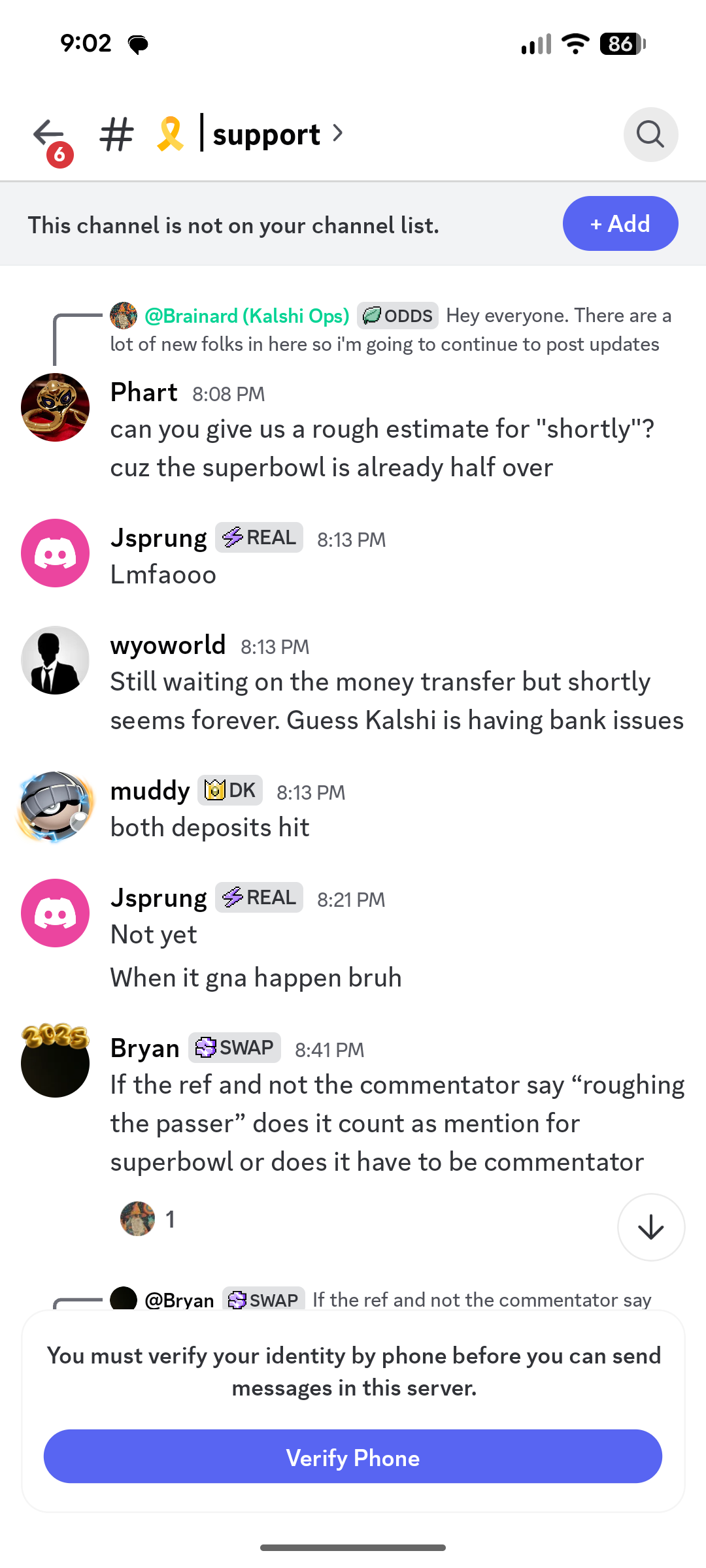
Kalshi Experiences Significant Point of Failure During Super Bowl
Kalshi’s payment infrastructure became a significant point of failure toni...
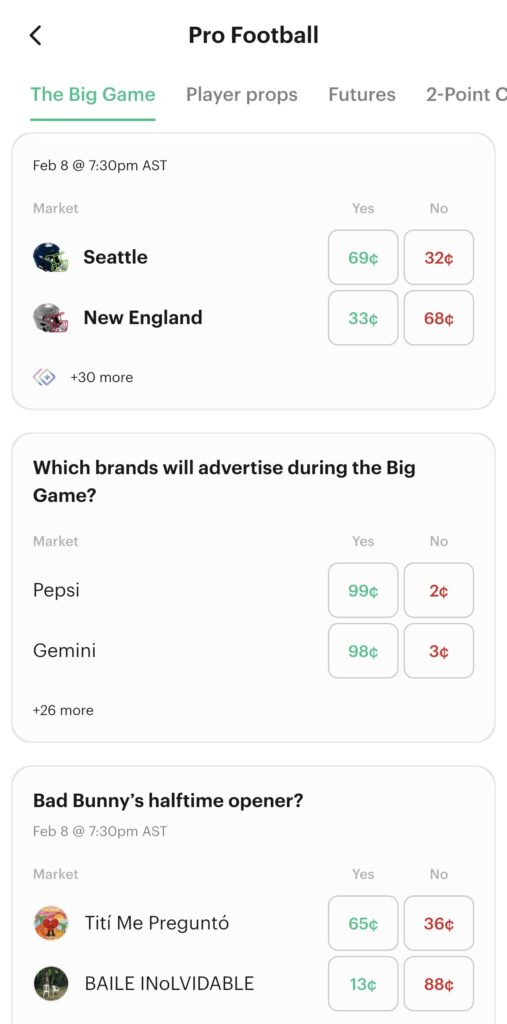
How to Bet on Super Bowl LX in California: Best Prediction Market Apps Compared
California has no legal sports betting, but 12+ prediction market apps offer leg...
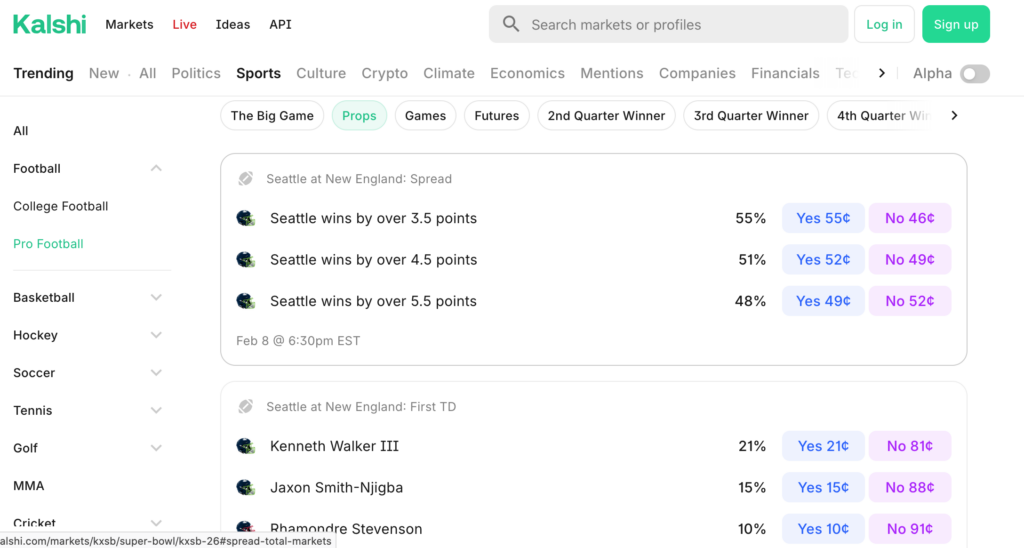
Super Bowl Betting 2026 at Prediction Markets: All States Including California & Texas
Prediction markets are letting more people than ever put money on Super Bowl out...