Rupee Hits Record Low of 95.4 Against USD as US–Iran Conflict Sends Oil to $110+
Alex Smith
2 hours ago

Synopsis:- The Indian rupee breached 95.40 against the US dollar as Brent crude crossed $110 per barrel following the escalation of the US–Iran conflict around the Strait of Hormuz, amplifying India’s structural vulnerability as a nation that imports nearly 90 percent of its oil and is already absorbing over $19 billion in foreign equity outflows.
A currency under sustained pressure for months crossed a threshold it has never touched before. The rupee weakened to approximately 95.40 against the dollar on Tuesday, its lowest level in recorded history as a confluence of geopolitical shock, elevated energy costs, and a persistent capital outflow deficit overwhelmed whatever support the Reserve Bank of India has been providing. The move marks a 13.19 percent depreciation over the past twelve months and underscores how much of India’s external vulnerability is now hostage to developments thousands of miles away.
Why the Strait of Hormuz Is India’s Problem
The proximate trigger is crude oil. Brent prices climbed to the $110–115 per barrel range after US military operations around the Strait of Hormuz, aimed at protecting commercial navigation, drew a reported response from Iranian forces. The strait handles roughly 20 percent of global oil transit, and even the perception of supply disruption is enough to move energy markets aggressively. Brent is now at its highest level in four years.
For India, this is not an abstract macro story. The country imports roughly 85–90 percent of its crude oil requirements, which means every dollar added to the barrel price translates directly into higher dollar demand from oil marketing companies. That demand lands in the forex market, and with export proceeds and portfolio inflows insufficient to offset it, the rupee bears the adjustment. The current episode is the structural version of a familiar problem when oil spikes, India’s currency absorbs it.
Oil prices alone do not explain the depth of the rupee’s slide. Foreign institutional investors have been net sellers of Indian equities for an extended period, with outflows exceeding $19 billion and accelerating sharply through March as oil prices began their current rally. Analysts now project a capital inflow shortfall of $40–50 billion for the current fiscal year; significantly wider than prior-year estimates and a figure that the RBI cannot bridge through intervention alone without depleting reserves.
The Federal Reserve’s stance has not helped. Signals from Fed officials keeping rates elevated have reinforced dollar strength globally, compressing the relative attractiveness of emerging market assets including Indian equities and debt. With India’s interest rate differential narrowing and the rupee offering no carry advantage against a backdrop of depreciation risk, foreign capital has found fewer reasons to stay.
RBI’s Limited Room
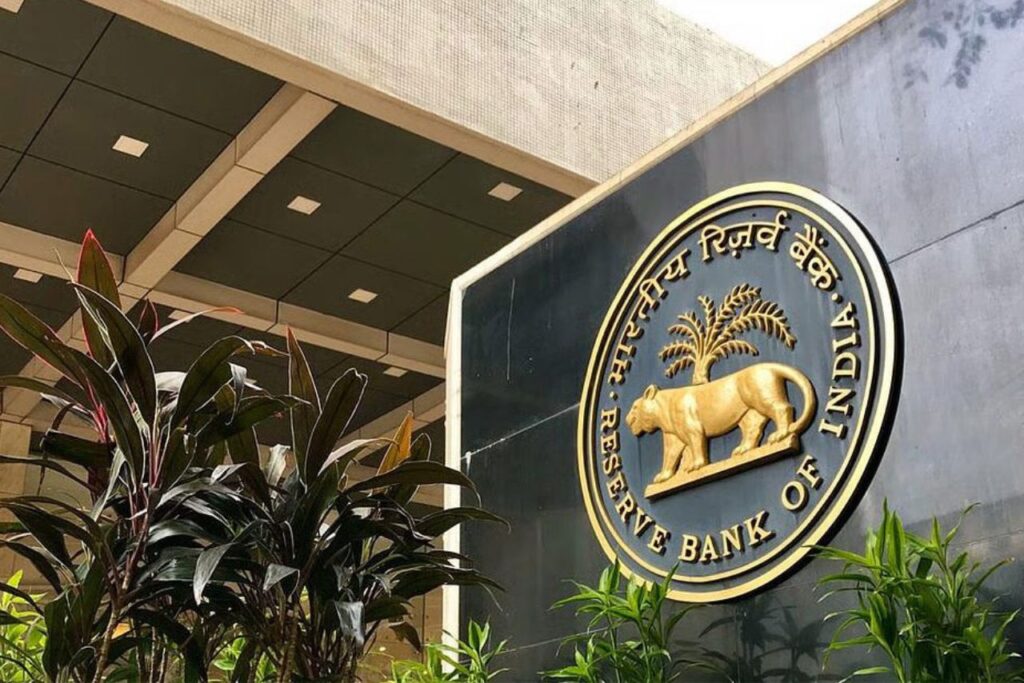
The Reserve Bank of India retains tools (tightening FX position limits, conducting dollar sales through state-run banks, or verbal intervention) but their effectiveness in this environment is increasingly constrained. The depreciation is no longer driven primarily by speculative positioning, which is more tractable; it reflects a genuine shortfall in the supply of dollars into the Indian economy. Reserves can be deployed to slow the slide, but sustained defence of a level is unsustainable if the underlying flow imbalance persists.
The RBI’s challenge heading into Q1 FY27 is compounding: a wider current account deficit driven by oil imports, softer FDI inflows, and continued FPI selling create a structural bid for dollars that cannot be talked away. The central bank’s priority, in this context, is likely to be managing the pace of depreciation rather than reversing it.
Downstream Consequences
A rupee at 95.40 carries economic implications beyond the forex desk. Import-dependent industries (electronics, edible oils, fertilisers, chemicals) face immediate cost inflation. Corporate earnings for companies with significant dollar-denominated imports or foreign currency debt will come under margin pressure. Inflation, already sensitive to fuel prices, faces an additional passthrough channel as transport and energy costs rise in rupee terms. For the RBI, this complicates the rate-cutting cycle; currency weakness and imported inflation limit how aggressively monetary policy can ease even if domestic growth warrants support.
Sectors with natural hedges (IT exporters, pharmaceutical companies with significant dollar receivables, and certain commodity exporters) stand to benefit from a weaker rupee, as their revenues translate at a more favourable rate. But the macro balance is clearly adverse for an economy with India’s import composition.
Disclaimer: The views and investment tips expressed by investment experts/broking houses/rating agencies on tradebrains.in are their own, and not that of the website or its management. Investing in equities poses a risk of financial losses. Investors must therefore exercise due caution while investing or trading in stocks. Trade Brains Technologies Private Limited or the author are not liable for any losses caused as a result of the decision based on this article. Please consult your investment advisor before investing.
The post Rupee Hits Record Low of 95.4 Against USD as US–Iran Conflict Sends Oil to $110+ appeared first on Trade Brains.
Related Articles

Kama Holdings Declares 232% Interim Dividend; Payouts Grow 150% Since 2024
Synopsis: Kama Holdings Limited announced an interim dividend of Rs. 23.20 per s...

Delhivery Stock: Can Amazon’s Entry into Third-Party Logistics Disrupt Its Market Share?
Synospis: Amazon’s entry into third-party logistics with its new supply chain se...
IT Stock Jumps 17% After Securing ₹750 Cr Order from RBI
Synopsis:In what appears to be the company’s largest single order to date,...

Afcons Infrastructure Targets 25% Growth; Order Book Grows to ₹31,500 Crore
Synopsis: Afcons Infrastructure Limited is witnessing a steady recovery in its m...