Rupee Reversal: 3 Major Triggers Behind the Sharp Recovery
Alex Smith
2 hours ago
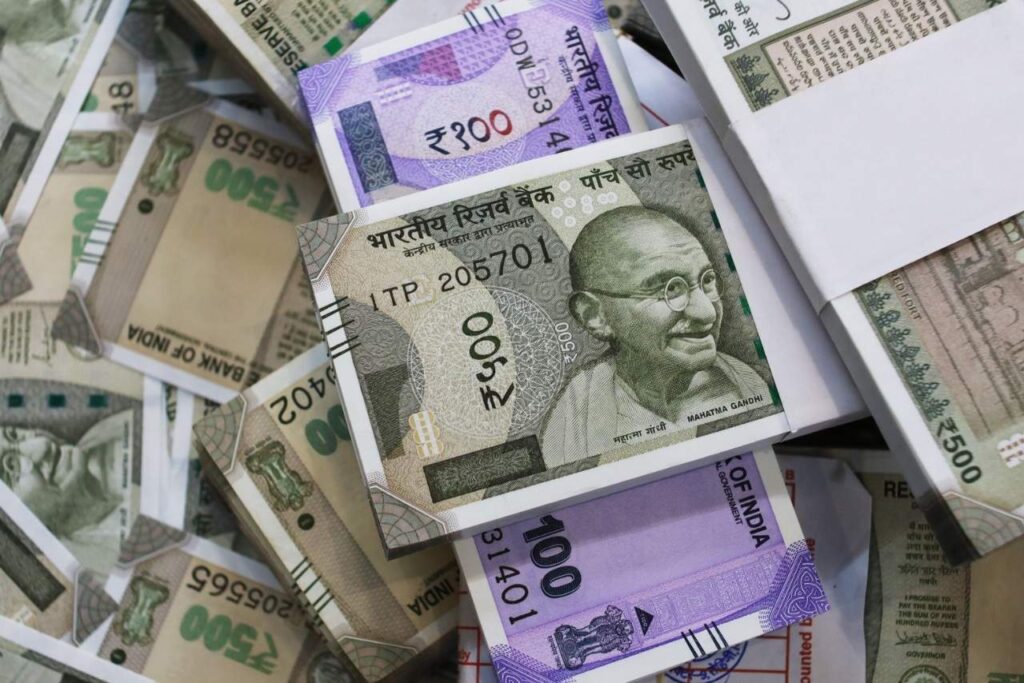
Synopsis:- Backed by a record Rs. 2.87 lakh crore RBI dividend transfer and aided by a 5 percent-plus crash in Brent crude to $97.8 per barrel triggered by US-Iran peace deal optimism the Indian rupee bounced 0.4 percent to a two-week high of 95.28 per dollar on May 25, pulling away from the record low of 96.96 touched the previous week, though analysts caution the Strait of Hormuz remains physically blocked until any deal is formally signed.
A potential diplomatic breakthrough in the three-month-old US-Iran conflict delivered Asian currency markets an unexpected reprieve on Monday, with the rupee among the session’s clearest beneficiaries. The rebound comes after a bruising week that had taken the currency to an all-time low of 96.96 per dollar, a level the Reserve Bank of India had been defending through aggressive open market intervention.
The rupee recovered to 95.2775 per dollar, a gain of 0.4 percent, while Brent crude futures slid more than 5 percent to $97.8 per barrel, their lowest in two weeks. West Texas Intermediate futures fell over 4 percent to between $90.83 and $92.41 per barrel, breaching levels that traders had treated as floor support through most of the conflict period.
The Peace Dividend and Its Limits
US President Donald Trump announced over the weekend that a memorandum of understanding centred on a 60-day truce extension had been largely drafted with Tehran. The central prize: a commitment to reopen the Strait of Hormuz, which has remained blocked or severely restricted for close to three months, cutting off approximately 20 percent of global daily oil and LNG supply from reaching international markets.
Oil traders moved fast. But the price correction is not a supply event, it is a sentiment event. Physical flows through the Strait remain heavily disrupted; what changed is traders’ willingness to hold the full geopolitical risk premium embedded in prices above $100. Trump himself dampened expectations of a swift resolution, publicly stating his team should “not rush” into a final agreement, and that the blockade would remain in place until any deal is fully signed and certified. Disagreements over Iran’s nuclear stockpile, specifically Tehran’s refusal to surrender enriched uranium reserves have not been resolved.
Why India Felt This More Than Most
India’s structural exposure to crude oil is acute. The country imports over 80 percent of its energy requirements, which means every $10 per barrel move in Brent translates directly into the current account deficit, domestic fuel prices, and inflation expectations. The period from March to May 2026 when oil pushed above $100 and the rupee simultaneously slid toward 97 created a compounding pressure on the RBI that few central banks in Asia faced as acutely.
The oil correction to sub-$100 Brent has meaningfully eased the near-term inflation calculus. Wealth-tech analysts at Enrich Money noted that the correction away from the $100 to $105 zone alleviated immediate fears of runaway domestic inflation and a deteriorating current account position.
The RBI’s Balance Sheet Advantage
The rupee’s recovery is not resting solely on geopolitical optimism. The RBI recently transferred a record dividend of Rs. 2.87 lakh crore to the Indian government, the largest such payout in the central bank’s history. The transfer provides the exchequer with substantial fiscal room to absorb elevated import bills without drawing down foreign exchange reserves at the pace seen through the conflict period. It also signals that the RBI’s own balance sheet remains robust enough to sustain intervention capacity in currency markets if renewed pressure emerges.
RBI Governor Sanjay Malhotra had been direct in his assessment: the rupee had grown undervalued on both nominal and Real Effective Exchange Rate (REER) metrics, and the central bank would deploy whatever tools necessary to maintain orderly conditions. That commitment, combined with the dividend buffer now sitting with the government, puts India in a more defensible position than it occupied just a week ago.
Disclaimer: The views and investment tips expressed by investment experts/broking houses/rating agencies on tradebrains.in are their own, and not that of the website or its management. Investing in equities poses a risk of financial losses. Investors must therefore exercise due caution while investing or trading in stocks. Trade Brains Technologies Private Limited or the author are not liable for any losses caused as a result of the decision based on this article. Please consult your investment advisor before investing.
The post Rupee Reversal: 3 Major Triggers Behind the Sharp Recovery appeared first on Trade Brains.
Related Articles

2 Cement Stocks That Had a Weak Q4 but Analysts Expect it to Boom
Synopsis: A global brokerage maintains buy calls on two major cement names despi...

Suzlon Reports 54% Revenue Growth as Annual Deliveries Hit Record 2,456 MW
Synopsis:- Posting the highest-ever annual wind energy deliveries in India at 2,...
RPP Infra Bags ₹5 Cr SIPCOT Order for Hard Rock Removal at Shoolagiri Industrial Park
Synopsis: RPP Infra Projects Ltd has secured a new work order worth Rs. 5.13 cro...

Ganesh Green Bharat Stock in Focus After Order Book Jumps Over 215% in One Day
Synopsis: Ganesh Green Bharat Limited stunned the market with a massive jump in...