South Korea Tightens Grip On Crypto Exchanges, Imposes Bank-Level Standards
Alex Smith
2 months ago

South Korea moved to tighten rules for cryptocurrency platforms after a major breach at Upbit that sent shockwaves through the local market and government halls.
Government Pushes Bank-Level Rules
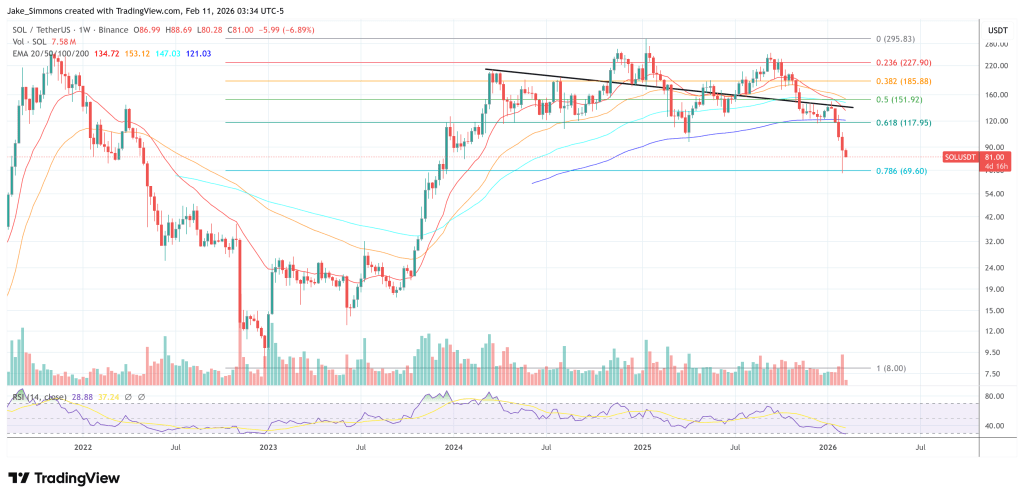
According to government and industry reports, the Upbit breach on November 27, 2025 involved the transfer of about 104 billion tokens on the Solana network in roughly 54 minutes.
The value of the tokens was reported at about 44.5 billion won, equal to roughly $30–36 million. Upbit said it would cover customer losses from its own funds, but officials say current law does not force exchanges to reimburse users automatically.
The Financial Services Commission (FSC) and the Financial Supervisory Service (FSS) have begun drafting rules that would hold virtual asset service providers to bank-level liability standards, requiring compulsory compensation for customers hit by hacks or system failures.
Past Failures Put Pressure On Regulators
Reports have disclosed that the five biggest exchanges in Korea — Upbit, Bithumb, Coinone, Korbit and Gopax — were cited in official data showing 20 system failures between 2023 and September 2025.
Those incidents affected more than 900 users and caused combined losses of about 5 billion won. Regulators say those prior problems, plus the recent Solana transfers, highlighted gaps in consumer protection and operational stability that current rules don’t close.
Exchanges Face Higher Costs And FinesUnder the proposed measures, exchanges would need to meet stronger IT security and custody standards, submit to regular audits, and maintain clearer recovery plans.
Penalties are also being rethought. Current maximum fines were a fixed 5 billion won in earlier regulations; new drafts reportedly include fines up to 3% of an exchange’s annual revenue for serious breaches.
That kind of exposure could push firms to raise spending on security and insurance, and it may change how they price services.
What It Means For Users And MarketsAccording to industry analysts, forcing mandatory compensation would boost consumer confidence. That is the stated aim. But restoring trust will likely take time.
Some exchanges have already promised voluntary payouts after the Upbit incident, yet a legal requirement would mark a big shift in how crypto platforms are treated compared with banks and electronic payment firms under the Electronic Financial Transactions Act.
Timeline And Lawmaking StepsBased on reports, the draft rules are currently under internal review within the FSC and will need to pass through formal legislative processes before becoming law.
Lawmakers and regulators are deliberating exactly which parts of bank rules should apply to crypto firms, and how to avoid stifling competition or innovation while protecting customers.
Featured image from Unsplash, chart from TradingView
Related Articles
Solana Gets A Big Infra Signal As Alibaba Demos High-Performance RPCs
Solana picked up an infrastructure vote of confidence on Wednesday after Alibaba...

Ethereum Price Drifts Lower as Bearish Pressure Mounts: SUBBD Community Grows
Quick Facts: ➡️ Ethereum is facing significant bearish pressure, struggling belo...
Bitcoin Price Flashes Warning Signs as Key Indicators Turn Bearish: $HYPER Stays Resilient
Quick Facts: ➡️ Bitcoin is facing significant bearish pressure, with the $60K su...
Crypto Con Empire Collapses As Mastermind Faces 20 Years
A man accused of running a large-scale crypto romance scam was given a heavy fed...