US-Iran War Ceasefire: What Are Iran’s 10 Demands to End the War?
Alex Smith
2 hours ago
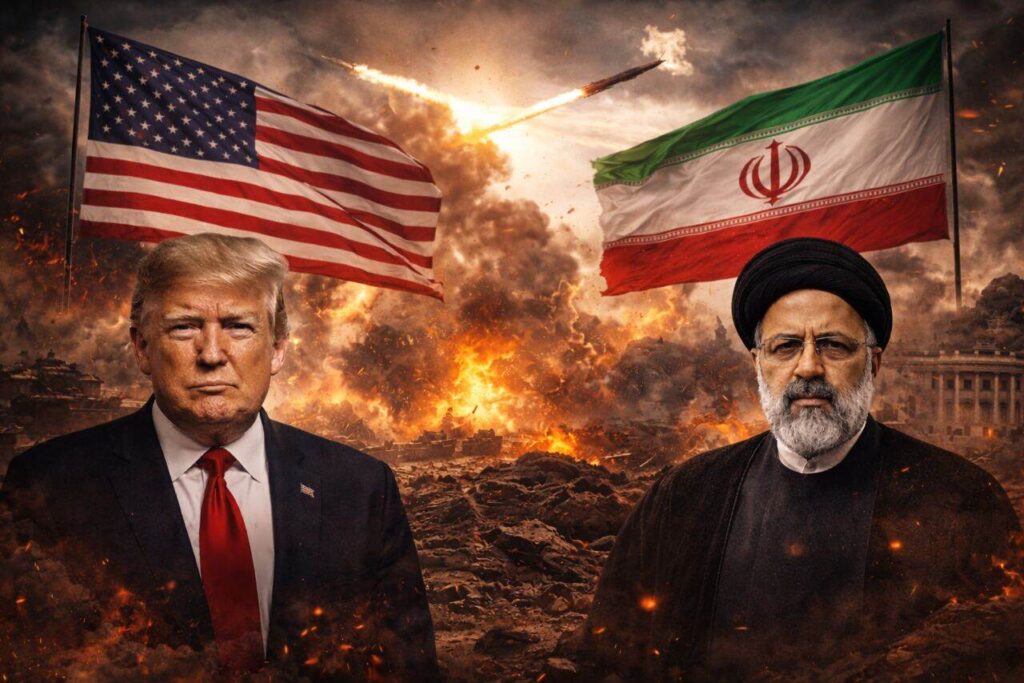
Synopsis: Iran has outlined ten demands to end regional conflicts, aiming to ensure security, stabilize the Strait of Hormuz, and create conditions for peace and resuming normal trade.
The Middle East has faced rising tensions as Iran, the U.S., and regional allies clash over nuclear programs, territorial influence, and proxy conflicts in Iraq, Syria, and Lebanon. These disputes have caused instability, disrupted trade, and heightened uncertainty, affecting both regional security and global economic stability.
Recent confrontations, especially around the strategic Strait of Hormuz, have disrupted oil shipments and increased global economic risks. In response to these developments, Iran has presented a list of ten demands aimed at ending the war, protecting its security, and restoring control over key economic and strategic areas.
Ceasefire Sparks Diplomatic Talks: A two-week ceasefire between the U.S. and Iran has paused military actions, allowing both sides to engage in high-level talks. Led by Iran’s leaders and supported by mediators, the truce focuses on stabilizing the Strait of Hormuz and provides a window for negotiating a broader resolution to the conflict.
Here are the demands of IRAN to end the war
- 1. Mutual Non-Aggression: Both parties agree to halt hostile actions, ensuring no future attacks, and formally recognize Iran’s right to uranium enrichment. This demand seeks to prevent military escalation while providing Iran with security guarantees in the region.
- 2. Strait of Hormuz Control: Iran wants coordination over shipping and navigation in the strategic Strait of Hormuz. The passage of commercial and military vessels would be regulated in collaboration with Iran’s Armed Forces, giving Tehran influence over a critical maritime chokepoint.
- 3. End of All Wars: Iran demands the termination of conflicts on all fronts, including hostilities against Hezbollah in Lebanon. This aims to halt regional military operations, reduce foreign intervention, and restore a broader sense of peace in the Middle East.
- 4. U.S. Troop Withdrawal: All U.S. combat forces must leave regional bases and deployment points in and around Iran. This is intended to reduce military pressure, prevent future conflicts, and allow Iran greater autonomy in its territorial and security matters.
- 5. UN Resolutions Terminated: Iran seeks the revocation of all United Nations Security Council and Board of Governors resolutions against it. This would lift restrictions imposed over its nuclear program and other international sanctions, normalizing Iran’s status in global diplomatic and legal frameworks.
- 6. Secure Transit Protocol: A formal protocol in the Strait of Hormuz would ensure safe passage for international shipping while affirming Iranian authority. It aims to balance maritime security with Iran’s strategic control over one of the world’s busiest oil transport routes.
- 7. Damages Payment: Iran demands full compensation for economic and infrastructural damages incurred during the conflict. This includes losses from attacks, sanctions, and disruptions, providing financial redress and recognizing the impact of hostilities on Iran’s development.
- 8. Sanctions Removal: All primary and secondary sanctions imposed on Iran must be lifted. This covers restrictions on trade, finance, and international transactions, aiming to restore Iran’s economic freedom and enable full participation in global markets.
- 9. Asset Release: Iran calls for the return of all blocked properties and assets held abroad. This includes frozen bank accounts, investments, and state-owned assets, ensuring Iran regains control over its international financial resources.
- 10. Binding UN Approval: All the above conditions should be ratified through a binding UN Security Council resolution. This would make them enforceable under international law, providing legitimacy and a formal framework to monitor compliance by all parties.
Conclusion: If the U.S. meets Iran’s demands, regional tensions could ease significantly, opening the Strait of Hormuz for secure international trade and stabilizing oil shipments. A full troop withdrawal and sanctions removal may restore diplomatic balance, reducing the risk of future conflicts.
Iran would gain strategic and economic leverage, including compensation for damages and control over vital maritime routes. Binding UN approval would formalize these terms, making violations legally accountable and setting a precedent for conflict resolution through diplomacy rather than prolonged military engagement.
Indian companies, especially those in the oil, shipping, and logistics sectors, could benefit from a stabilized Strait of Hormuz, ensuring uninterrupted crude imports and smoother maritime trade. Additionally, defense, infrastructure, and energy firms may see reduced geopolitical risk and potential opportunities in regional projects or partnerships.
Disclaimer: The views and investment tips expressed by investment experts/broking houses/rating agencies on tradebrains.in are their own, and not that of the website or its management. Investing in equities poses a risk of financial losses. Investors must therefore exercise due caution while investing or trading in stocks. Trade Brains Technologies Private Limited or the author are not liable for any losses caused as a result of the decision based on this article. Please consult your investment advisor before investing.
The post US-Iran War Ceasefire: What Are Iran’s 10 Demands to End the War? appeared first on Trade Brains.
Related Articles

Textile stock to buy now for an upside of 52%; Recommended by Motilal Oswal
Synopsis:- Brokerage maintained a ‘Buy’ with Rs 650 target, implying 52% upside...

5 Stocks in Which Promoters Increased Their Stake by up to 36% in Q4 FY26
Synopsis: Promoters increased holdings in several companies during Q4FY26, inclu...

Scoda Tubes Gets Approval From Gujarat Government for Rs 13.7 Cr Solar Plant
Synopsis:With GEDA clearing a 3 MW ground-mounted solar project under Gujarat...

Silver Surges Over 6% to $76 as US-Iran Ceasefire Eases Hormuz Fears
Synopsis: Silver surged 6% to $76 after a US-Iran ceasefire eased Strait of Horm...