What’s the Average TFSA Balance at Age 30 in Canada?
Alex Smith
3 weeks ago
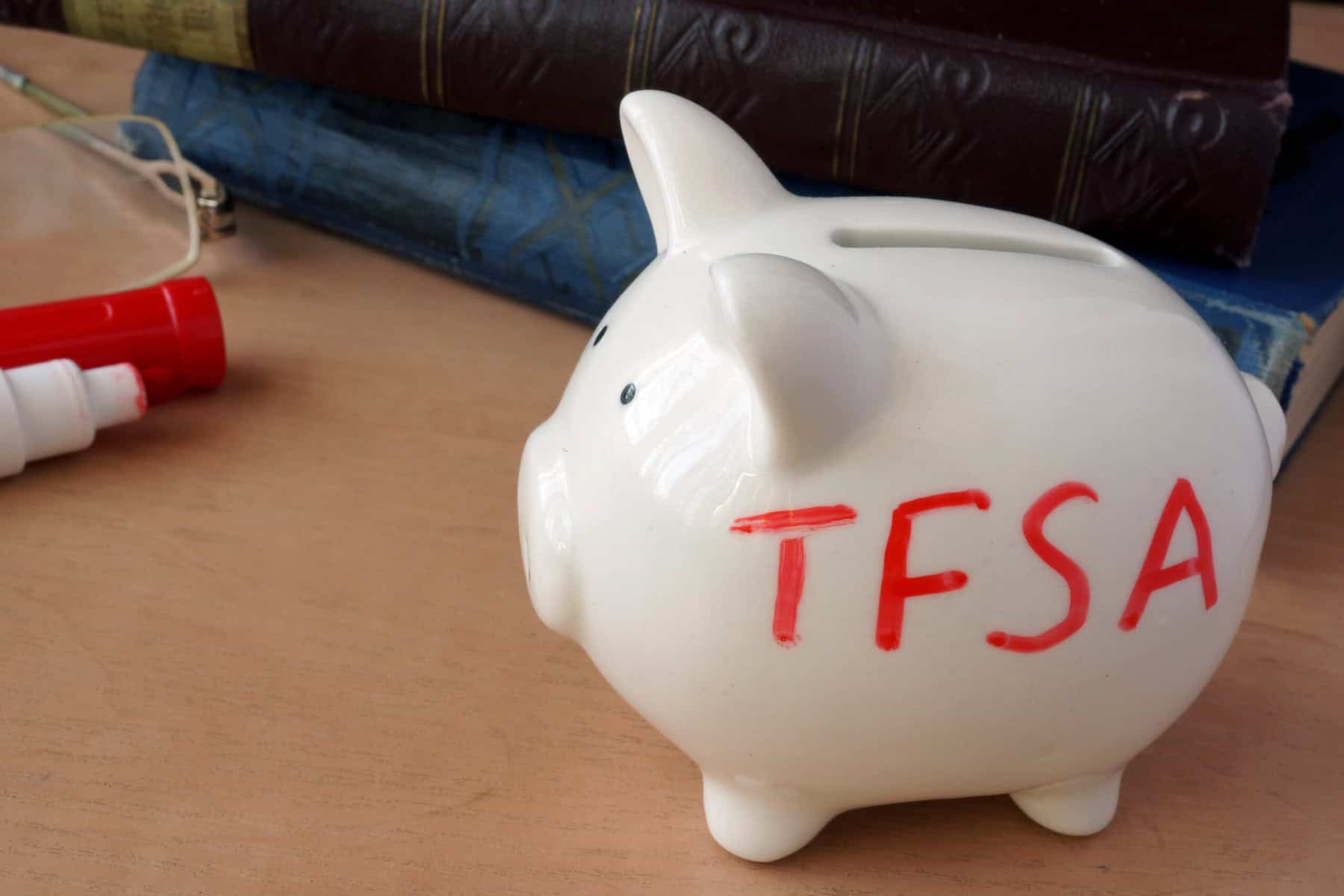
If you’re 30, the average Tax-Free Savings Account (TFSA) balance matters more than you think. The CRAâs latest TFSA statistics use age bands, and Canadians aged 30 to 34 held an average TFSA fair market value of about $16,760 in the 2023 contribution year, which works as a decent stand-in for âaround age 30.â The same table shows average unused TFSA room of roughly $61,882 for that age band, which tells you most people have lots of space left to catch up. Knowing the average helps you benchmark, but it should not shame you. It should give you a clean starting line, plus a reminder that time still sits on your side. So here’s how to speed things up.
FFH
Fairfax Financial Holdings (TSX:FFH) looks boring on purpose, and that’s a compliment (don’t come for me, Prem Watsa!). It’s a holding company built around property and casualty insurance, plus reinsurance, with investment management sitting right beside it. In plain English, it sells insurance through a web of operating companies, collects premiums, pays claims, and invests the money in between. That âin betweenâ part can turn into a quiet engine for long-term growth when management stays disciplined.
The companyâs structure gives it a lot of levers. Insurance units do the day-to-day work, while the head office sets the playbook and allocates capital. Fairfax also talks openly about book value growth as a core aim, which matters because book value often tracks long-term value creation for insurers more reliably than flashy revenue headlines. When underwriting stays steady and investments cooperate, the compounding can feel almost unfair. When either side slips, results can swing.
That long-game mindset has shown up in the stockâs recent run. Over the last year, Fairfax delivered a return of about 31% at writing, which sits right in the same neighbourhood as the broader TSX. That does not guarantee anything for next year, but it does show the market still rewards steady execution. It also reminds you that this is not a âset it and forget it for three monthsâ kind of stock. It suits a patient TFSA investor.
Earnings support
Now to the numbers. In its third quarter of 2025, Fairfax reported net earnings attributable to shareholders of about US$1.2 billion, or US$52.04 per diluted share. It also reported book value per basic share of US$1,203.65 at September 30, 2025, up from US$1,059.60 at December 31, 2024, with the company noting that gain after adjusting for a US$15 dividend paid earlier in 2025. Those are big, confidence-building figures, and show why investors watch book value so closely here.
What pushed results forward? Fairfax pointed to stronger operating income from its core insurance and reinsurance businesses, plus higher interest and dividend income, which makes sense in a world where yields have stayed meaningfully higher than the ultra-low-rate era. It also flagged a deal to sell most of its stake in Eurolifeâs life operations while taking a significant equity interest in a Cyprus-based property and casualty insurer. The big risk, as always in insurance, comes from ugly surprises like major catastrophe losses or reserve changes that can turn a great quarter into a mediocre one fast.
Meanwhile, it still looks surprisingly down-to-earth for a company that just posted such results. Fairfax trades at nine times earnings, with a market cap around $56 billion, plus a modest dividend yield that sits at 0.8% at writing. That mix tells you the market treats it as a compounding story, not an income play.
Bottom line
So why does Fairfax make sense for boosting a TFSA balance at age 30? Because your best friend is time, and this is the kind of business that can compound quietly over long stretches when management stays rational. At 30, you don’t need a giant dividend to feel progress. You need a solid engine that can grow while you keep adding contributions, especially since the CRA data shows most people your age still have lots of unused room to work with. Keep it sized sensibly, pair it with diversification, and let the calendar do the heavy lifting.
The post What’s the Average TFSA Balance at Age 30 in Canada? appeared first on The Motley Fool Canada.
Should you invest $1,000 in Fairfax Financial right now?
Before you buy stock in Fairfax Financial, consider this:
The Motley Fool Canada team has identified what they believe are the top 10 TSX stocks for 2026⦠and Fairfax Financial wasnât one of them. The 10 stocks that made the cut could potentially produce monster returns in the coming years.
Consider MercadoLibre, which we first recommended on January 8, 2014 … if you invested $1,000 in the âeBay of Latin Americaâ at the time of our recommendation, youâd have $21,827.88!*
Now, it’s worth noting Stock Advisor Canada’s total average return is 102%* – a market-crushing outperformance compared to 81%* for the S&P/TSX Composite Index. Don’t miss out on our top 10 stocks, available when you join our mailing list!
Get the 10 stocks instantly #start_btn6 { background: #0e6d04 none repeat scroll 0 0; color: #fff; font-size: 1.2em; font-family: 'Montserrat', sans-serif; font-weight: 600; height: auto; line-height: 1.2em; margin: 30px 0; max-width: 350px; text-align: center; width: auto; box-shadow: 0 1px 0 rgba(0, 0, 0, 0.5), 0 1px 0 #fff inset, 0 0 2px rgba(0, 0, 0, 0.2); border-radius: 5px; } #start_btn6 a { color: #fff; display: block; padding: 20px; padding-right:1em; padding-left:1em; } #start_btn6 a:hover { background: #FFE300 none repeat scroll 0 0; color: #000; } @media (max-width: 480px) { div#start_btn6 { font-size:1.1em; max-width: 320px;} } margin_bottom_5 { margin-bottom:5px; } margin_top_10 { margin-top:10px; }* Returns as of January 15th, 2026
More reading
- The Best $10,000 TFSA Approach for Canadian Investors
- It’s Time to Buy Fairfax Financial While It’s Still on Sale
Fool contributor Amy Legate-Wolfe has no position in any of the stocks mentioned. The Motley Fool has positions in and recommends Fairfax Financial. The Motley Fool has a disclosure policy.
Related Articles

This Stock Yields 6.8% and Pays Out Each Month
Given its strong occupancy rate, attractive dividend yield, and solid growth pro...

Should Canadians Buy Gold Right Now?
Gold is near US$5,000, and this TSX producer is pitching a growth-and-lower-cost...
Outlook for TD Stock in 2026
TD Bank stock's 69% rally sets up momentum for 2026 gains. Semi-annual dividends...

Canada’s Coming Infrastructure Boom: The Time to Invest is Now
The federal government is planning continued strong infrastructure spending. As...