What’s the Average TFSA Balance at Age 54
Alex Smith
4 weeks ago
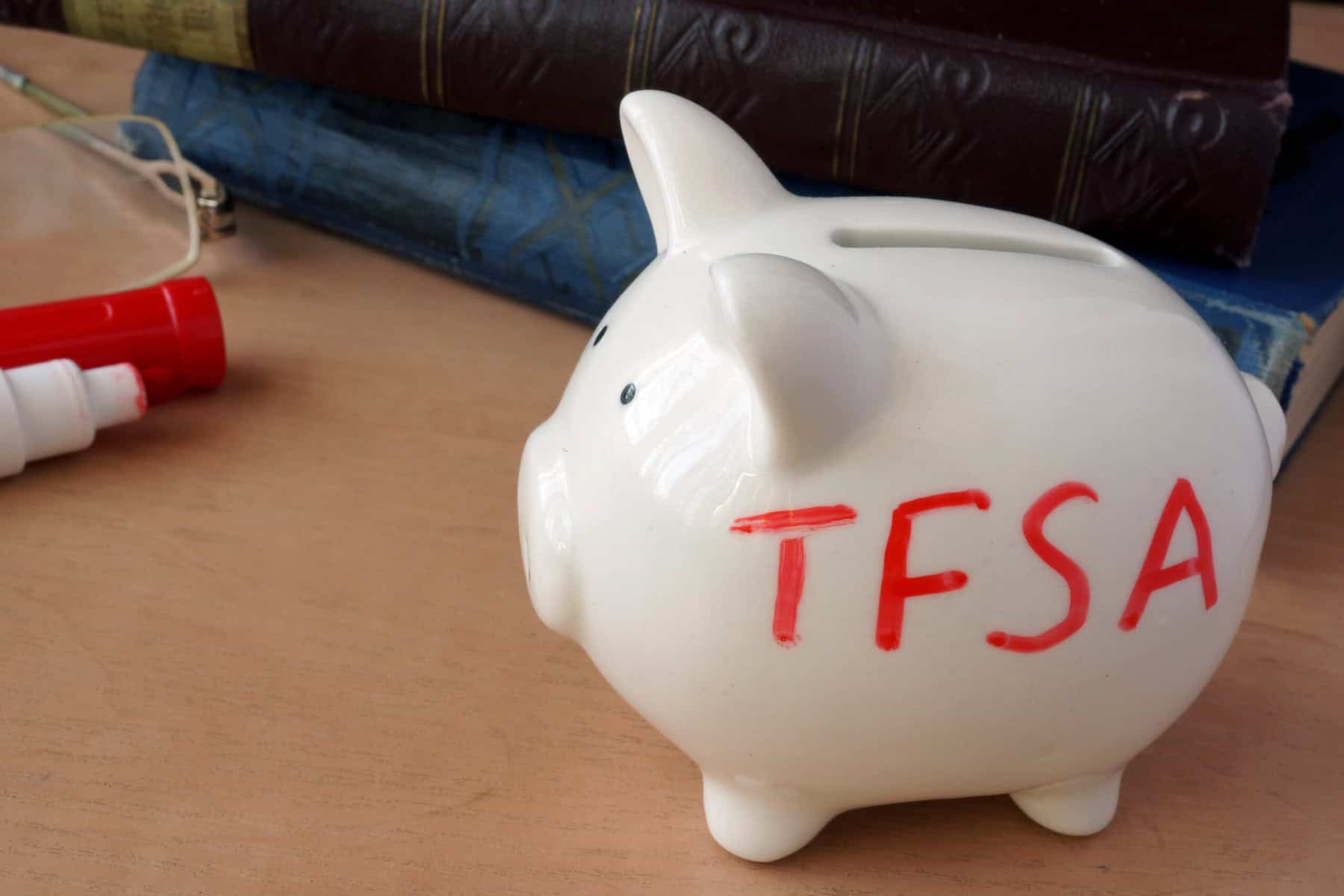
Looking at the average Tax-Free Savings Account (TFSA) balance around age 50 can be important for any investor. In that decade, one tends to decide how comfortable retirement will feel. You still have time for compounding to do real work, but you also have enough life expenses that saving can slip. The Canada Revenue Agency (CRA) TFSA data also acts like a reality check. So let’s look at what’s going on.
That average
So whatâs the average TFSA balance at age 54 in Canada? The CRA groups ages 50 to 54 together, and for the 2023 tax year, it reported an average TFSA fair market value of $24,150 per individual in that age band. Yet that average also comes with a big asterisk: âaverageâ hides a huge range. Plenty of Canadians have much more because they maxed out early and invested consistently, while plenty have much less because they used the TFSA like a savings account or dipped in for big purchases. The useful takeaway is not to compare yourself and spiral. Itâs to use the number as a starting point for a better plan.
If you want to beat the average TFSA balance at age 50, the simplest lever is consistency. Set an automatic contribution that happens every paycheque or every month, even if it starts small. Then invest it instead of letting it sit in cash. A TFSA that earns next to nothing can look âsafe,â but it quietly loses ground to inflation over time.
The second lever is behaviour, not brilliance. Stop treating the TFSA like a âmaybe laterâ account and start treating it like your personal wealth engine. Use it for long-term holdings you actually plan to keep, and reinvest any dividends. When markets dip, keep contributing anyway. That one habit often matters more than picking the perfect stock.
Consider BNS
Bank of Nova Scotia (TSX: BNS) can fit nicely into that long-term TFSA mindset as itâs a classic Canadian bank with a global footprint. The bank runs Canadian personal and commercial banking, international banking, wealth management, and capital markets. In plain terms, it makes money when Canadians borrow, save, invest, and swipe their cards, and it also earns fees when markets are busy.
The bank has had a strong run over the past year, which is not what many people expect if they still picture banks as âslow.â Shares of the bank stock are up about 30% in the last year, with a high of $103. That’s a wide range for a big bank, and it tells you sentiment can swing fast, even when the business stays steady.
Into earnings
Now to the earnings, as thatâs where the real story sits. In the fourth quarter ended October 31, 2025, Scotiabank reported net income of $2.2 billion and diluted earnings per share (EPS) of $1.65. On an adjusted basis, it reported net income of $2.6 billion and adjusted diluted EPS of $1.93. For the full fiscal year 2025, it reported adjusted net income of $9.5 billion and adjusted diluted EPS of $7.09, alongside a CET1 capital ratio of 13.2%.
Valuation looks a lot more reasonable than the share price move might suggest, which is why income investors keep circling back to it. The dividend stock trades at around a trailing price to earnings (P/E) of 17.6 at writing and a forward dividend yield around 4.4%. The outlook into 2026 leans on a steady theme. Management has been pushing harder into fee-driven businesses like wealth and capital markets, while reshaping parts of its international exposure.
Bottom line
Thatâs why BNS can help lift your TFSA beyond the average by age 54. It pays a meaningful dividend you can reinvest, and it has the scale and diversification to keep earning through normal economic ups and downs. If you drip the dividend back into the stock inside a TFSA, you turn a simple bank holding into a compounding machine. Even now, here’s what $7,000 could bring in from dividends alone.
COMPANYRECENT PRICENUMBER OF SHARESDIVIDENDANNUAL TOTAL PAYOUTFREQUENCYTOTAL INVESTMENTBNS$100.8469$4.40$303.60Quarterly$6,957.96Just keep the expectations realistic. You buy it for steady wealth-building, not instant fireworks, and you accept that the ride will feel bumpy sometimes even when the business stays solid.
The post Whatâs the Average TFSA Balance at Age 54 appeared first on The Motley Fool Canada.
Should you invest $1,000 in Bank Of Nova Scotia right now?
Before you buy stock in Bank Of Nova Scotia, consider this:
The Motley Fool Stock Advisor Canada analyst team identified what they believe are the 5 best stocks for investors to buy now⦠and Bank Of Nova Scotia wasnât one of them. The 5 stocks that made the cut could potentially produce monster returns in the coming years.
Consider MercadoLibre, which we first recommended on January 8, 2014 … if you invested $1,000 in the âeBay of Latin Americaâ at the time of our recommendation, youâd have $20,568.17!*
Now, it’s worth noting Stock Advisor Canada’s total average return is 99%* – a market-crushing outperformance compared to 77%* for the S&P/TSX Composite Index. Don’t miss out on our top 5 list, available when you join Stock Advisor Canada.
See the 5 Stocks #start_btn6 { background: #0e6d04 none repeat scroll 0 0; color: #fff; font-size: 1.2em; font-family: 'Montserrat', sans-serif; font-weight: 600; height: auto; line-height: 1.2em; margin: 30px 0; max-width: 350px; text-align: center; width: auto; box-shadow: 0 1px 0 rgba(0, 0, 0, 0.5), 0 1px 0 #fff inset, 0 0 2px rgba(0, 0, 0, 0.2); border-radius: 5px; } #start_btn6 a { color: #fff; display: block; padding: 20px; padding-right:1em; padding-left:1em; } #start_btn6 a:hover { background: #FFE300 none repeat scroll 0 0; color: #000; } @media (max-width: 480px) { div#start_btn6 { font-size:1.1em; max-width: 320px;} } margin_bottom_5 { margin-bottom:5px; } margin_top_10 { margin-top:10px; }* Returns as of January 5th, 2026
More reading
- 5 Canadian Dividend Stocks Everyone Should Own
- BNS vs Enbridge: Better Stock for Retirees?
- The 3 Best Canadian Stocks to Buy With $1,000 Right Now
- TSX Today: What to Watch for in Stocks on Wednesday, January 7
- TFSA: 4 Canadian Stocks to Buy Now and Hold Forever
Fool contributor Amy Legate-Wolfe has no position in any of the stocks mentioned. The Motley Fool recommends Bank of Nova Scotia. The Motley Fool has a disclosure policy.
Related Articles

Integrating AI and Quantitative Trading
Practical introduction to AI in quantitative trading using Python, QuantConnect...

How I’d Invest $10,000 With the Loonie in Play
The loonie’s swing can quietly change your results, so this $10,000 plan spreads...

Software Crash: Is This a Generational Buying Opportunity?
Software stocks have been obliterated in the past six months. Yet, we could be n...

Build a Cash-Gushing Passive Income Portfolio With Just $15,000
Want to earn an extra $680 of passive income per year? Here's how a five-stock p...