Rupee Falls to ₹91.45 per Dollar: What’s Causing the Decline?
Alex Smith
5 months ago
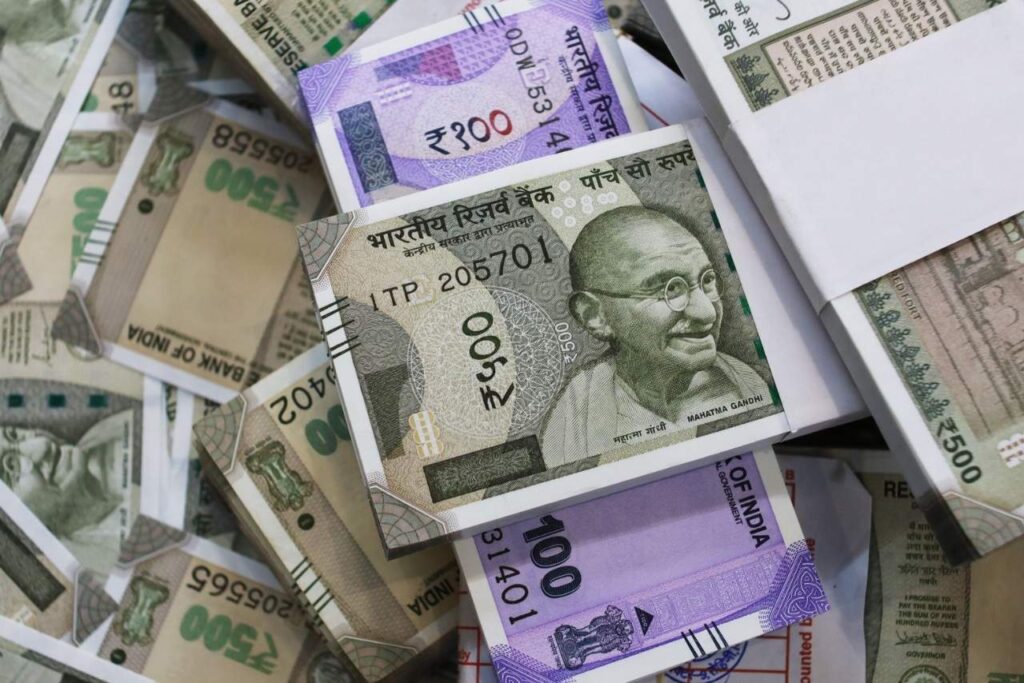
Synopsis: Rupee hits record low of Rs 91.45/$ amid FII selling, rising US yields, global risk-off mood, US-India trade deal uncertainty, and cautious bets ahead of Union Budget.
The Indian rupee slid to a record low of about 91.45 against the dollar, which essentially means that Indians need more rupees now in order to get 1 dollar. Typically, such a decline takes place when global investors fear the situation around them, and hence they start buying safer currencies like the dollar. When the dollar appreciates, the majority of the other currencies, including the rupee, depreciate.
Key Drivers
A large part of the blame can be placed on foreign investors selling Indian equities. When FIIs sell shares, they bring their money out of India and hence convert rupees into dollars. This causes additional demand for dollars, and as the demand rises, the dollar becomes more expensivethus the rupee loses value.
Also, High US bond yields are another significant factor. US government bonds are considered extremely safe. When their yields go up, global investors switch their funds to the US to get higher returns. This results in an increase in the dollar’s value and a decrease in the value of emerging market currencies such as the rupee.
Moreover, global developments have an impact as well. Renewed trade frictions and geopolitical uncertainties (such as new tariff threats and world conflicts) get investors worried. During such times, people tend to stay away from risky assets and thus prefer to keep their money in dollars. This risk of sentiment damages the rupee even if India’s economy is on the right track.
Furthermore, uncertainty over the US-India trade agreement was another factor that caused the rupee to depreciate. Whenever trade negotiations get postponed or there is no clear update, investors start to get concerned about the future of business, such as exports, imports, and overall growth. This results in a drop in market confidence and foreign investors turning more cautious, which in turn puts more pressure on the rupee.
Moreover, it is a common pattern for the rupee to remain weak before the Union Budget as the markets opt for a wait-and-see approach. Until the government’s announcement, such as taxes, spending plans, subsidies, and support for industries, investors are reluctant to take major risks. This hesitant sentiment leads to a lack of new purchases and makes the foreign exchange market jittery, thus creating more pressure on the rupee.
Disclaimer: The views and investment tips expressed by investment experts/broking houses/rating agencies on tradebrains.in are their own, and not that of the website or its management. Investing in equities poses a risk of financial losses. Investors must therefore exercise due caution while investing or trading in stocks. Trade Brains Technologies Private Limited or the author are not liable for any losses caused as a result of the decision based on this article. Please consult your investment advisor before investing.
The post Rupee Falls to ₹91.45 per Dollar: What’s Causing the Decline? appeared first on Trade Brains.
Related Articles

Railway Stocks: How Kernex, HBL, Quadrant, and RailTel Are Monetizing the Kavach Rollout
Synopsis: As Indian Railways accelerates its Kavach train-protection rollout, a...

Defence Stock: Can Premier Explosives Deliver 80% Revenue Growth With a ₹1,569 Cr Order Book?
Synopsis: Defence-oriented stock that has performed well in FY26 with an order b...

Inox Wind: Can Its 3.1 GW Order Book and 4.X MW Platform Unlock More Growth?
Synopsis: Inox Wind is entering a new growth phase supported by a strong order p...

5 Stocks Recommended by Top Brokerages That Can Deliver Returns of Up to 45%
Synopsis: Five top brokerages have issued fresh Buy calls across IT, FMCG, trave...